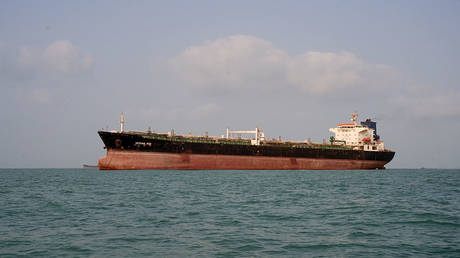
АНУ-ын эдийн засгийн хориг арга хэмжээнд нэгдсэн тохиолдолд Персийн булангаар дамжин өнгөрөх газрын тосны тээврийг бүрэн зогсооно гэж Иран улс мэдэгдлээ.
АНУ-ын Сангийн сайд Скотт Бессент тус улсын холбоотнууд болон бусад улс орнуудыг Ирантай худалдааны харилцаагаа зогсоож, эдийн засгийн тусгаарлалт үүсгэхийг уриалсны дараа Ираны Үндэсний аюулгүй байдлын дээд зөвлөлийн тэргүүн Мохсен Резаеи энэхүү хатуу байр суурийг илэрхийлжээ. Тэрээр хөрш зэргэлдээ орнууд АНУ-ын эдийн засгийн дайнд оролцсон тохиолдолд тэднийг дайсан гэж үзэхээ мэдэгдээд, Персийн булан болон Ормузын хоолойгоор газрын тос гаргахгүй байхаас гадна бусад экспортын маршрутуудыг онилно гэв.
АНУ-ын Ерөнхийлөгч Дональд Трамп Ираны эсрэг “Эдийн засгийн D-Day” хэмээн нэрлэсэн эдийн засгийн хамгийн хүчтэй ажиллагааг эхлүүлж буйгаа зарласан юм. Энэхүү шийдвэр нь Ирантай энхийн хэлэлцээр хийх 60 хоногийн хугацаа ямар ч үр дүнд хүрэлгүй даваа гарагт дууссаны дараа гарчээ.
Өнгөрсөн лхагва гарагт АНЭУ-ын нутаг дэвсгэр рүү хоёр баллистик пуужин харвасны дараа тус улс Ирантай эдийн засгийн харилцаагаа түр зогсоосон байна. Иран уг халдлагад хамааралгүй гэдгээ мэдэгдэж, үүнийг Израйлын явуулсан өдөөн хатгалга гэж нэрлэв. Хоёрдугаар сарын 28-нд АНУ болон Израйл Ираны эсрэг агаарын цохилт өгснөөс хойш Ормузын хоолойн тээвэр эрс багасаж, дөрөвдүгээр сард АНУ-ын тэнгисийн цэргийн хүчин Ираны боомтуудад бүслэлт тогтоосон юм.
Сүүлийн үеийн мэдээллээр, Ормузын хоолойгоор дамжин өнгөрөх хөлөг онгоцны тоо дайны өмнөх үеийнхээс 20 хувьд хүрсэн байна. Өнгөрсөн долоо хоногт Ираны харвасан пуужингийн улмаас таван хөлөг онгоц гэмтэж, хоёр хүн амиа алдсан тохиолдол гарчээ. Олон улсын тээврийн хөлөг онгоцууд Ираны хууль бус гэж үзэж буй АНУ-ын хяналттай маршрутыг ашиглах эсвэл хяналтын системээ унтраах замаар хоолойг гаталж байна.
Дэлгэрэнгүйг эх сурвалжаас харах
↓Эх сурвалжийг нээх ↓
Tehran has warned neighboring states it will close the Strait of Hormuz if they take part in Washington’s economic pressure campaign
Iran has said that not “a single drop of oil” will leave the Persian Gulf and threatened to attack alternative export routes if neighboring states take part in the US economic pressure campaign against Tehran.
The warning comes after US Treasury Secretary Scott Bessent on Thursday called on Washington’s allies and other countries to choose sides and stop doing business with Iran, as the US prepares what he touted as “the greatest coordinated economic isolation in the history of the world.”
In an interview with state broadcaster IRIB which aired on Saturday, Mohsen Rezaei, the head of Iran’s Supreme National Security Council, urged other countries not to participate “in the economic war with America,” saying that otherwise Tehran would treat them as enemies.
“If the countries surrounding Iran join the Americans in the economic war, not a single drop of oil will leave the Persian Gulf and the Strait of Hormuz, and we will also target other routes through which oil is exported from the Persian Gulf,” he said.
If US President Donald Trump “wants to do something, we will retaliate in a seismic manner,” Rezaei added.
On Thursday, Trump announced what he called the “most crushing economic operation against Iran,” describing it as an “Economic D-Day” and calling on US allies “to stand with the United States of America to isolate and defeat the Iran threat.”
The announcement came after a 60-day window for negotiating a peace agreement with Tehran expired on Monday without a breakthrough, prompting Trump to declare that the talks had ended.
Earlier on Wednesday, the UAE suspended economic ties with Iran after two ballistic missiles were fired at its territory. Tehran denied responsibility, describing the incident as an Israeli “false-flag operation.”
Iran effectively closed the Strait of Hormuz, which handles around a quarter of global seaborne oil and LNG trade, shortly after the US and Israel launched their joint bombing campaign against the Islamic Republic on February 28. The US Navy imposed its own blockade on Iranian ports in April and has since been guiding ships along routes that Tehran considers illegal.
Nearly 200 ships navigated the strait last week, up from 150 the previous week and just 40 two weeks earlier, bringing traffic to around 20% of pre-war levels, according to the UK Maritime Trade Operations Center.
Kpler data showed that more than 80% of liquid cargo vessels crossing the strait over the past two weeks either used a US-backed route through Omani waters that Iran considers illegal or switched off their tracking systems, likely to use the same corridor. Five vessels were struck by Iranian projectiles during the past week, resulting in two reported casualties. All five ships were reportedly damaged but not lost.


