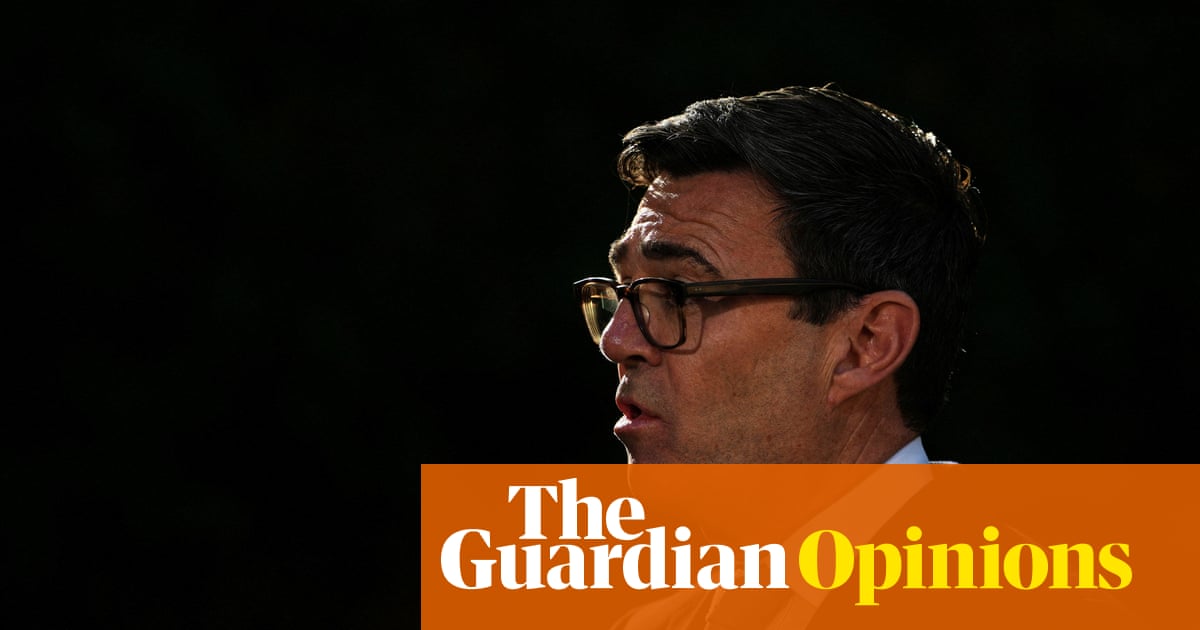
Их Британийн шинэ Ерөнхий сайд Энди Бернам өмнөх засгийн газруудын баримталж байсан гадаад бодлогын үндсэн шугамыг үргэлжлүүлж байгаа нь олон улсын харилцаанд тогтвортой байдлыг хадгалах зорилготой байна.
Энди Бернамын засаг захиргаа Европын холбоотой харилцахдаа нэгдсэн зах зээл болон гаалийн холбоонд эргэн нэгдэхгүй гэсэн өмнөх байр сууриа хэвээр хадгалж байна. АНУ-тай харилцах харилцааны хувьд Их Британийн Гадаад хэргийн сайд Эд Милибэнд Америкийн талтай, тухайлбал Марко Рубиотой идэвхтэй яриа хэлэлцээг эхлүүлээд байгаа бөгөөд энэ нь хоёр улсын батлан хамгаалах болон аюулгүй байдлын салбар дахь нягт уялдаа холбоотой шууд холбоотой юм.
Украйныг ОХУ-ын түрэмгийллийн эсрэг тууштай дэмжих бодлого нь Борис Жонсоны үеэс эхлэлтэй бөгөөд тус улсын засгийн эрх дөрвөн удаа солигдсон ч энэхүү байр суурь өөрчлөгдөөгүй хэвээр байна. Риши Сунакийн үед эхлүүлсэн Европын холбоотой харилцааг сэргээх, Умард Ирландын асуудлаарх “Windsor” хүрээг хэрэгжүүлэх үйл явц нь өнөөгийн засгийн газрын гадаад бодлогын суурь болж байна.
Одоогоор Ерөнхий сайд Энди Бернам олон улсын геополитикийн асуудлаас илүүтэйгээр дотоодын эдийн засаг, нийгмийн асуудлыг нэн тэргүүнд тавьж байна. Гэсэн хэдий ч дэлхий дахинд үүсээд буй тодорхойгүй байдал, эдийн засгийн хямрал нь түүнийг гадаад бодлогын тодорхой бөгөөд уялдаа холбоотой стратегийг боловсруулахад хүргэх төлөвтэй байна.
Дэлгэрэнгүйг эх сурвалжаас харах
↓Эх сурвалжийг нээх ↓
A run of volatility in domestic British politics in recent years has tracked a period of global turbulence, and yet foreign policy over the same period has been an area of relative stability. What little is known about Andy Burnham’s approach to international relations expresses more continuity with Sir Keir Starmer’s administration than deviation. In negotiations with the EU, the red lines that prohibit membership of the single market or customs union still stand. Where Washington is concerned, Mr Burnham shows no interest in performances of bonhomie with Donald Trump, but his predecessor had already swapped that approach for a cooler pragmatic tone by the end of his tenure.
The new foreign secretary, Ed Miliband, has opened a good dialogue with Marco Rubio, his US counterpart. Such is the density of integration in defence and security matters that incoming UK prime ministers, regardless of ideology, have little choice but to invest time in cultivating a bond with whoever sits in the White House. Anyone hoping for a spectacular transatlantic rupture and sudden clinch with Brussels will be disappointed.
Some patterns of consistency date back beyond the recent transfer of power within the Labour party to the previous Conservative administrations. Support for Ukraine in the face of Russian aggression was one of the few creditable positions taken by Boris Johnson, and that line has held through four transfers of power in Downing Street.
The process of rebuilding functional relations with European neighbours predated the 2024 general election. Rishi Sunak negotiated the Windsor framework for Northern Ireland. He also ditched a bill that threatened chaos for businesses by vaporising retained EU laws without a timetable to replace them.
The business secretary who executed that U-turn in defiance of the Tories’ fanatical Eurosceptic tendency was Kemi Badenoch. It was not a choice she highlighted in her subsequent bid to become Conservative leader. By then the party, relieved of the burden of governing responsibility, was in no mood to consider the merits of pragmatism where Europe was concerned.
Having withdrawn to an ideological comfort zone, the Tories still cannot pretend that Brexit has been a success. Sir Keir became gradually more confident in attributing Britain’s economic woes to the terms of departure from the EU. But the shift was largely rhetorical because he was locked into a manifesto commitment that precluded a substantial change of direction. Mr Burnham has accepted the same constraint as a condition of his hand-me-down electoral mandate.
Having accepted the parameters of Boris Johnson’s hard Brexit and acknowledged Britain’s security dependency on Washington, the prime minister doesn’t have much room to innovate in foreign policy. Nor has he shown much interest, focusing instead on domestic issues that are much more salient to voters than geopolitics.
That is a rational priority for a new leader hoping to win over sceptical voters. But with no sign of global volatility abating, an international crisis will force itself on to Mr Burnham’s agenda soon enough. Global strife, especially when it whips up economic headwinds, quickly manifests itself as pressure to act in domestic politics. The prime minister has proved adept at connecting with an audience close to home. That advantage will be degraded if he cannot also connect his domestic agenda to a coherent strategy for engagement with the wider world.