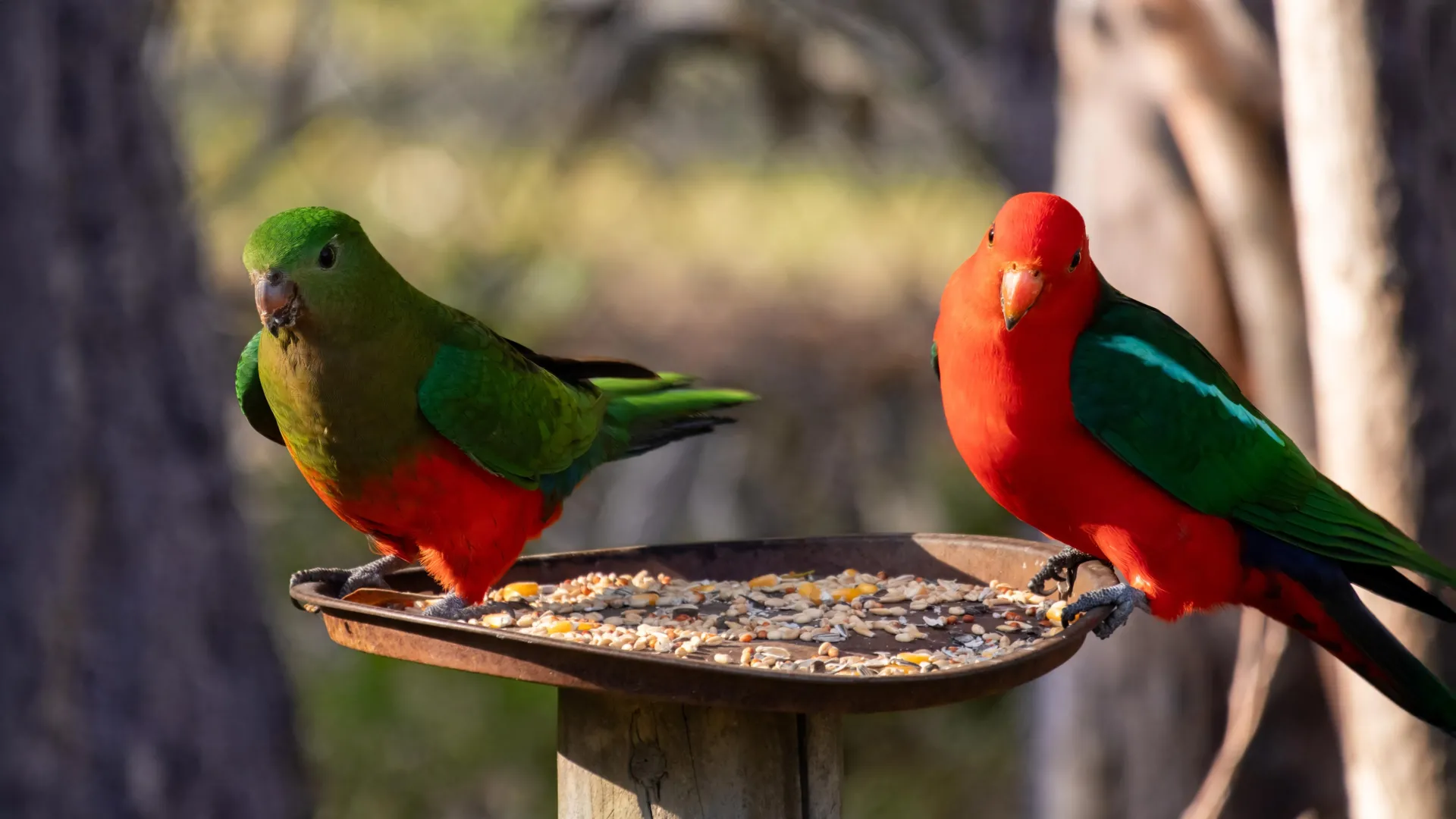
Австралид тархаж буй H5N1 вирусийн халдвар нь зэрлэг шувуудын тэжээлийн цэгүүдээр дамжин олон төрөл зүйлд тархах эрсдэлтэйг судлаачид анхааруулж байна.
Австралийн өрхүүдийн тал орчим хувь нь зэрлэг шувуудыг өдөр тутам хооллодог нь энэхүү заншлыг H5N1 вирусийн “супер тархалт”-ын голомт болгох аюултай байна. Уг вирус нь дэлхий даяар зэрлэг шувуу болон хөхтөн амьтдын популяцийг ихээр хорогдуулж байгаа бөгөөд саяхан Австралид 1,000 гаруй сарлаг хараацай болон эх газрын хөхтөн амьтан болох далайн хав халдварын улмаас үхжээ. Судлаачдын үзэж буйгаар, хүний гараар тавьсан тэжээл нь байгальд хэзээ ч тохиолддоггүй олон төрөл зүйлийн шувуудыг нэг дор цуглуулж, өвчин дамжих таатай орчныг бүрдүүлж байна.
Шувуудын тэжээлийн цэгүүдэд үүсэж буй халдварын эрсдэл нь зөвхөн шувуудаар хязгаарлагдахгүй бөгөөд үлдэгдэл хоол эсвэл халдвартай сэг зэмээр хооллодог үнэг, оспом зэрэг амьтдад ч халдварлах боломжтой. Хэдийгээр хүн H5N1 вирусээр халдварлах тохиолдол ховор бөгөөд ихэвчлэн хөнгөн шинж тэмдэгтэй байдаг ч малын эмч, зэрлэг амьтан хамгаалагчид зэрэг ойр харьцдаг хүмүүст эрсдэл үүсэж болзошгүй юм. Мөн энэхүү вирус нь ховордсон төрөл зүйлүүдийг мөхлийн ирмэгт хүргэх аюултай.
Эрсдэлийг бууруулах хамгийн үр дүнтэй арга бол зэрлэг шувуудыг хооллохоо бүрмөсөн зогсоох явдал юм, учир нь шувууд байгалийн эх үүсвэрээс хангалттай тэжээл авдаг. Хэрэв хооллолтыг үргэлжлүүлбэл тэжээлийн хэмжээг багасгаж, шувуудыг хооронд нь зайтай байлгах, гараар хооллохгүй байх, тэжээлийн сав болон талбайг ахуйн цайруулагч бодисоор тогтмол ариутгах шаардлагатай. Өвчтэй эсвэл үхсэн амьтанд хүрэхээс зайлсхийж, холбогдох байгууллагад мэдэгдэх нь халдварын тархалтыг хязгаарлахад чухал ач холбогдолтой.
Дэлгэрэнгүйг эх сурвалжаас харах
↓Эх сурвалжийг нээх ↓
Backyard bird feeding is one of our country’s most popular pastimes. Research reveals about half of Australian households feed wild birds, with many people doing so daily.
However, this practice could act as a superspreader event – where a disease infects an unusually high number of people or animals – of the H5N1 virus. This deadly strain of bird flu has already decimated wild bird and mammal populations worldwide. It is now spreading across Australia, most recently killing more than 1,000 crested terns and a long-nosed fur seal, the first detection in a mainland mammal.
Although many Australians feed wild birds, the practice is controversial. This is mainly due to concerns about people offering unsuitable foods and birds becoming dependent on humans.
So why is backyard bird feeding such a problem when it comes to bird flu? And can we do it safely?
Not just a hobby
People feed wild birds for various reasons, including to provide food during tough times or simply enjoy their presence. Most care deeply about their avian companions and believe feeding them is helpful.
However, they may not realize the danger this creates for the birds they love.
Feeding wild birds heightens the risk of disease transmission at feeding locations. When we offer supplementary food, such as seeds or meat scraps, this attracts birds of many different species in a combination and number that would not happen in nature. They may carry deadly diseases, such as the H5N1 virus, and potentially spread them to other birds.
This can create a transmission hotspot right on our back deck. And catching bird flu can push our most threatened species, such as the orange-bellied parrot, to the brink of extinction.
The fatal effects of H5N1 are not only contained to birds. Scavenger animals such as possums, red foxes and crows can be exposed to the virus while devouring the carcasses of infected birds. Humans in close contact with infected wildlife, such as wildlife carers and veterinarians, can contract H5N1. However, human infection is rare and typically only causes mild symptoms.
Stopping the spread
Backyard bird feeding may seem like a harmless hobby. But given how many people do it, and the risks it poses to both birds and people, bird feeding activities could lead to many more wildlife deaths.
So if you feed birds in your backyard, how can you do so safely?
The most effective strategy is to stop feeding birds altogether. If you don’t offer food to wild birds, they will be less likely to congregate in your backyard or garden. And they will be fine without your help. Our previous research found most birds that visit feeders obtain most of their nutrition from natural sources, such as insects and worms. So the food we provide is a snack, not an essential meal.
But if you do continue feeding wild birds, here are three precautions to take:
Offer less food
Having feeders full of seeds and leftover meat will attract more birds. So to discourage them from congregating, simply provide less food. Much like COVID-era social distancing rules, this will lower the risk of H5N1 transmission by keeping birds separate.
Avoid hand-feeding
Having a bird swoop down to snatch food from your hand is one of the most intimate interactions we can have with wildlife. But in the era of bird flu, this must stop. While humans are unlikely to contract H5N1, close physical contact with birds through hand-feeding is simply not worth the risk.
Keep everything clean
If you keep feeding wild birds, it’s vital to regularly clean all feeding surfaces and equipment using domestic bleach. If you’re not prepared to do this, you shouldn’t be feeding them at all.
Backyard bird feeding could worsen Australia’s current H5N1 crisis. Indeed, your avian visitors may complain if you give them fewer tasty treats or stop feeding them altogether. But these measures will protect both you and them from this deadly disease.
Please do not touch sick or dead birds or marine mammals. Record the location, take photographs from a safe distance, keep pets away and report the sighting to the Emergency Animal Disease Hotline on 1800 675 888 (Australia).


