
Японы Нагояа их сургуулийн судлаачдын хийсэн шинэ судалгаагаар тархины гипоталамус хэсэгт байрлах орексин үйлдвэрлэдэг мэдрэлийн эсүүд нь аливаа үйлдлийг гүйцэтгэхэд шаардагдах хүчин чармайлт болон хүлээгдэж буй шагналын хоорондын уялдааг зохицуулдаг болохыг тогтоожээ. PNAS сэтгүүлд нийтлэгдсэн уг судалгаанд орексин нь хүлээгдэж буй үр дүнгээс хамааран зан төлөвийг идэвхжүүлэхэд чухал үүрэг гүйцэтгэдэг болохыг харуулсан байна.
Туршилтын хүрээнд судлаачид генетикийн аргаар хархны орексин ялгаруулдаг эсүүдийн идэвхжилийг өөрчилжээ. Үр дүнд нь тус эсүүд идэвхэжсэн үед амьтад хоол хүнс авахын тулд илүү их хүчин чармайлт гаргаж байсан бол эсүүдийн үйл ажиллагааг хязгаарлахад тэдний сэдэл тэмүүлэл эрс буурч, даалгавраас түргэн татгалзаж байв. Мөн эдгээр эсүүд нь шагнал авахаас өмнө идэвхжиж, шагнал авсны дараа идэвхжил нь буурдаг болохыг бодит цагийн хяналтаар тогтоосон байна.
Судлаач Хироюки Мизогучигийн тайлбарласнаар, орексин нь хүлээлтийг тогтвортой үйлдэл болгон хувиргах механизмыг бүрдүүлдэг байна. Гэсэн хэдий ч эсүүдийн идэвхжилийг нэмэгдүүлэх нь үргэлж сэдэл тэмүүллийг өсгөдөггүй тул энэхүү систем нь зөвхөн унтраалга шиг бус, харин сэдэл тэмүүллийг тодорхой түвшинд хадгалах үүрэгтэй байж болзошгүй юм.
Энэхүү судалгаа нь одоогоор амьтны загвар дээр хийгдсэн бөгөөд хүний тархинд ижил төстэй механизм хэрхэн үйлчлэхийг цаашид судлах шаардлагатай. Сэдэл тэмүүллийн алдагдал нь сэтгэл гутрал болон донтолт зэрэг эмгэгүүдтэй холбоотой байдаг тул орексины үйл ажиллагааг ойлгох нь эдгээр эмгэгийг эмчлэх шинэ арга замыг нээж магадгүй юм.
Дэлгэрэнгүйг эх сурвалжаас харах
↓Эх сурвалжийг нээх ↓
Motivation (or a lack of it) shapes our lives in ways large and small every day: From changing careers to changing TV channels, we’re guided by what motivates us and what we find rewarding.
In a new study published in PNAS, researchers led by a team from Nagoya University in Japan have identified neurons that produce the chemical orexin as playing an important role in food-reward motivation in rats.
These neurons are located in the brain’s hypothalamus and have previously been linked to wakefulness, energy expenditure, and indeed motivation. The researchers behind this latest study wanted to look more closely at that link to motivation.
“A potential mechanism for translating expectations into sustained action.”
– Neuroscientist Hiroyuki Mizoguchi
Their experiments showed the influence of orexin moment to moment, and how closely it’s involved in working out whether a reward is worth the effort to get it – a crucial calculation when it comes to motivation.
“Our observations highlight that orexin activities are implicated in the motivational process in rats and that dynamic changes in activation of orexin neurons may be involved in reward-seeking behavior based on reward prediction,” write the researchers in their published paper.
“In particular, orexin neuron response depends on degree/size of effort; these changes may indicate expectation for incentive against one’s efforts.”
Through genetic modifications, the researchers were able to artificially boost or limit the activity of orexin-producing neurons. In food reward tests, the animals were willing to work harder for their food when orexin neurons were activated, but gave up more quickly when the neurons were inhibited.
In addition, real-time monitoring of natural orexin neuron behavior showed increased activity before the rats got a reward, and decreased activity afterward.
When a reward was expected but didn’t appear, orexin activity remained high.
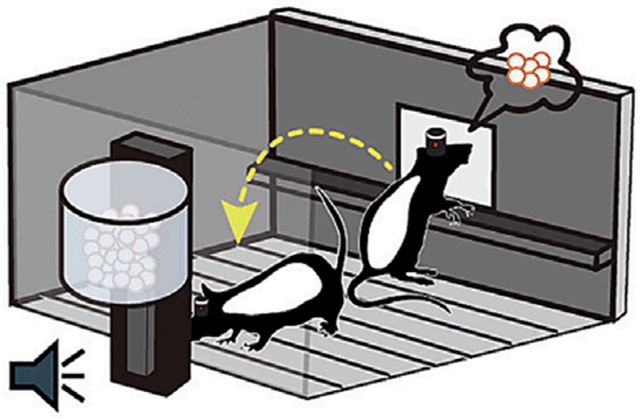
The harder the rats had to work for the reward, the stronger the activity in these neurons. This suggests orexin activity might be able to be used as a marker of the effort involved in pursuing an expected reward.
“Our study demonstrated significant changes in orexin neuron activity depending on expected rewards and the effort required, suggesting a potential mechanism for translating expectations into sustained action,” says neuroscientist Hiroyuki Mizoguchi, from Nagoya University.
In further tests where researchers controlled orexin neuron activity when rewards were anticipated, reducing activity seemed to reduce motivation, whereas increasing it didn’t correspond to increased motivation.
It’s possible that these neurons are important for keeping motivation at a certain baseline, but don’t work exactly like a dial that can be turned up or down.
“Therefore, orexin is crucial for linking predicted expectations with motivated behavior,” write the researchers. “Moreover, optimization of orexin activity is necessary to overcome difficulties during motivated behaviors.”

All of these findings still need to be translated to the human brain, of course. But we also have an orexin system, making this an important question for future research on committing to a task and staying committed to it.
Disrupted motivation is linked to several mental disorders, including depression and addiction, and by knowing more about the workings of orexin in the brain, we might be better able to treat these conditions too.
That’s still some way off, though. Next, the researchers want to look at the input and output brain circuits that connect to the orexin neurons to determine the natural chain of events that activates or deactivates them.
Related: One Brain Chemical May Be Key to Breaking a Habit, Study Finds
Motivation is such a fundamental driver of behavior that any new clues about how it works are likely to have widespread implications.
“A better and further understanding of orexinergic mechanisms underlying motivated behaviors would provide insights into the ways that motivation can be developed, and the disorders can be overcome,” write the researchers.
The research has been published in Proceedings of the National Academy of Sciences.
This article was fact-checked by Rebecca Dyer and edited by Rebecca Dyer. While we pride ourselves on our process, we are only human. If you spot a mistake, please let us know.


