Европын холбооны ногоон хөгжлийн бодлогын хүрээнд Арктикт газрын тос, байгалийн хий олборлохыг хориглох уриалгыг Норвегийн засгийн газар эсэргүүцэж байна.
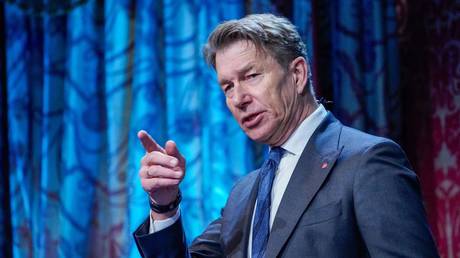
Норвегийн Эрчим хүчний сайд Терье Аасланд даваа гарагт болсон эрчим хүчний бага хурлын үеэр тус улс Арктикийн бүс нутагт олборлолтын үйл ажиллагаагаа үргэлжлүүлнэ гэдгийг онцолжээ. Тэрээр Европын холбоог Норвегийг зөвхөн “ногоон батерей” хэмээн харахаа зогсоох хэрэгтэй гэж мэдэгдсэн байна. Одоогийн геополитикийн нөхцөл байдал болон эрчим хүчний нөөцийн хэрэгцээг харгалзан Баренцын тэнгис дэх олборлолт нь Норвеги төдийгүй Европын ашиг сонирхолд нийцнэ гэж тэрээр үзэж байна.
Европын холбоо нь ОХУ-ын эрчим хүчээс татгалзсаны дараа Норвеги улсаас хамгийн их хэмжээний байгалийн хий импортлох болсон. Европын комиссын мэдээлснээр, сүүлийн жилүүдэд Европын холбооны байгалийн хийн нийт хэрэгцээний 30 орчим хувийг Норвеги дангаар хангаж байгаа юм. Тус улсын газрын тос, байгалийн хийн салбарын орлого энэ хугацаанд дээд түвшинд хүрсэн байна.
Норвеги улс 2035 он хүртэл газрын тос, байгалийн хийн үйлдвэрлэл, экспортоо одоогийн түвшинд хадгалах зорилт тавьжээ. Гэсэн хэдий ч албан ёсны таамаглалаар, шинэ орд газруудыг ашиглалтад оруулахгүй бол 2030 оноос хойш олборлолт огцом буурах эрсдэлтэй байна. Олборлолтыг үргэлжлүүлэх эсэх шийдвэрийг Европын холбооны зүгээс гаргах асуудал хэвээр үлдэж байна.
Дэлгэрэнгүйг эх сурвалжаас харах
↓Эх сурвалжийг нээх ↓
Norway will continue developing oil and gas fields in the Arctic, Energy Minister Terje Aasland has said, despite EU calls for a moratorium on drilling in the region. The bloc should no longer see his country as Europe’s “green battery,” he added.
EU Arctic policy aims to keep fossil fuels in the ground, cut black carbon and accelerate the green transition, citing claims of the region’s unusually rapid warming.
Brussels seeks to influence energy policy in Norway, which is not a member of the EU, but is the bloc’s largest gas supplier following the decision to reject cheap gas from Russia.
“In today’s geopolitical and security environment, and given the resource situation, I believe continued activity in the Barents Sea serves both Norwegian and European interests,” Aasland said in a Reuters interview on Monday, the opening day of ONS, Norway’s four-day energy conference in Stavanger.
The minister explained that Norway would develop the areas, but leave it to the EU to decide whether to impose a moratorium on buying the resulting oil and gas. He added that Norway aims to maintain petroleum production and exports at roughly the current levels until at least 2035, with production in the Barents Sea key to that goal.
Ranked among the world’s top 10 gas producers and exporters, Norway also generates surplus renewable energy from its extensive hydropower network, exporting it to help balance Europe’s power supply.
Aasland called the long-standing idea of Norway serving as “the green battery” of Europe “flawed,” stressing that “the Arctic must be part of that discussion” if the country “is to remain a long-term supplier of oil and gas to Europe.”
According to the European Commission, Norway has supplied roughly 30% of the EU’s gas imports in recent years after Brussels rejected Russian energy in the wake of the Ukraine conflict. The country’s petroleum revenues have since reached record levels, boosted by its growing share of the European gas market and a surge in oil and gas prices after the loss of Russian supplies.
In 2025, the country’s gas production remained near the previous year’s record high, while oil output reached its highest level since 2009. Official Norwegian forecasts, however, show output could fall sharply after 2030 unless new fields are developed.
You can share this story on social media:




