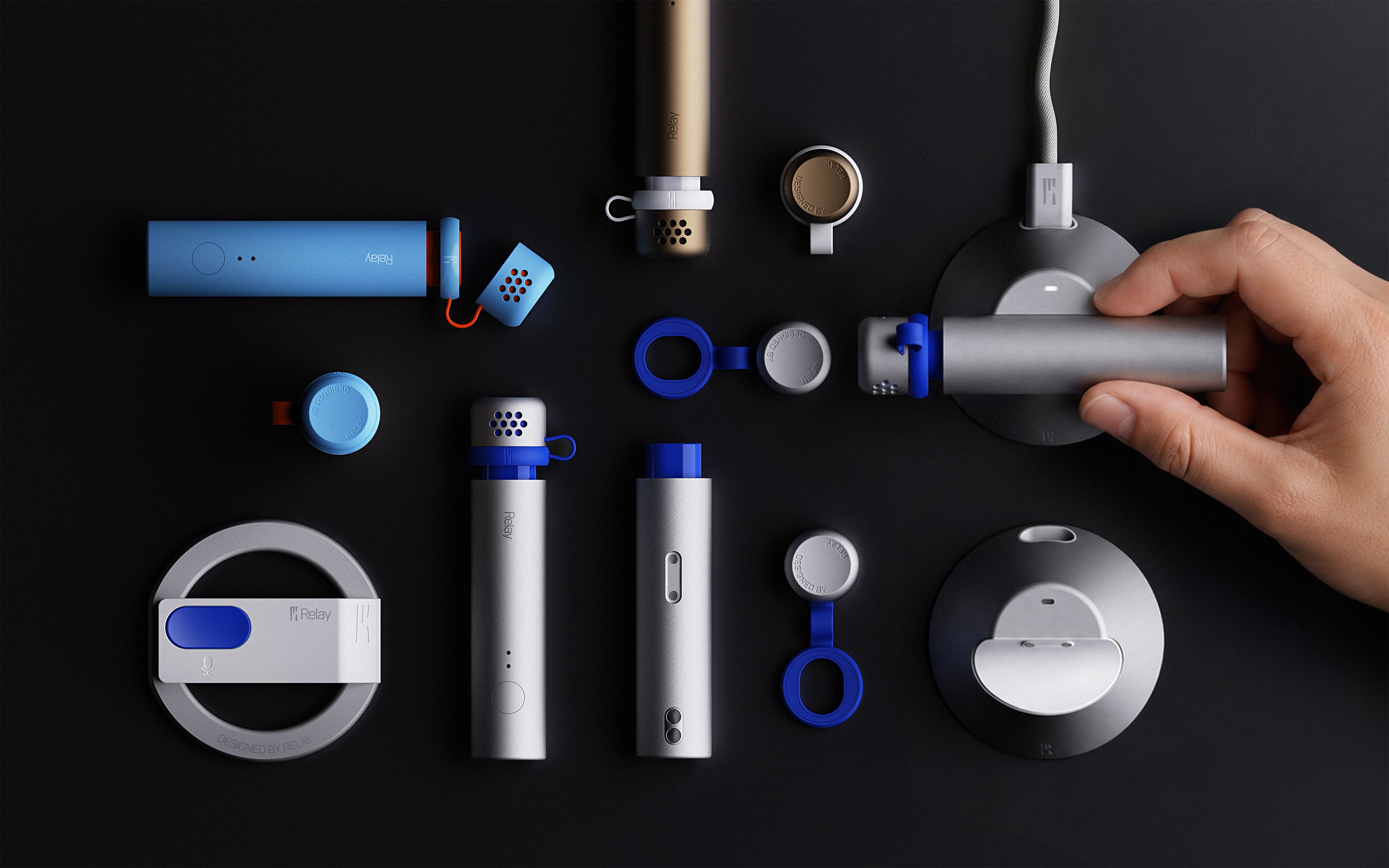
Лондон хотод төвтэй тус компани ажлын байрны бүтээмжийг нэмэгдүүлэх зорилготой хиймэл оюун ухаанд суурилсан дуу хоолой таних төхөөрөмж болон программ хангамжаа танилцууллаа.
Nothing компанийн өмнөх ажилтнууд болох Күүки Сюү, Рэймонд Жү нарын үүсгэн байгуулсан Relay стартап нь “Relay Q” нэртэй тусгай зориулалтын микрофоныг хөгжүүлж байна. Энэхүү төхөөрөмж нь оффисын орчинд дуу хоолойг өндөр нарийвчлалтайгаар таньж, текстийг автоматаар боловсруулах зориулалттай бөгөөд 2027 оны эхээр зах зээлд гарах төлөвтэй байна.
Одоогоор компанийн программ хангамж нь зөвхөн macOS үйлдлийн системд ажиллах боломжтой бөгөөд ирээдүйд Windows, iOS болон Android системүүдэд нэвтрүүлэхээр төлөвлөж байгаа аж. Уг систем нь Google-ийн Gemini загварт суурилан ажилладаг бөгөөд хэрэглэгч товчлуурын тусламжтайгаар дуу хоолойгоороо текст оруулах боломжийг олгодог.
Үүсгэн байгуулагч Рэймонд Жүгийн тайлбарласнаар, оффисын орчинд энгийн микрофон ашиглахад дууны түвшинг тохируулах болон хажуугийн хүний яриаг саад болгох зэрэг бэрхшээл тулгардаг байна. Иймд тэдгээр асуудлыг шийдвэрлэхийн тулд ярианы агуулгыг тодорхой бөгөөд нууцлаг байдлаар дамжуулах зориулалтын техник хангамж шаардлагатай гэж үзжээ.
Дэлгэрэнгүйг эх сурвалжаас харах
↓Эх сурвалжийг нээх ↓
How much do you hate typing? The advent of large language models has rapidly advanced voice-to-text technology. Whether it’s Wispr Flow joining your meetings to summarize discussions or Google debuting smarter on-device dictation in its latest Pixel smartphone, these tools do far more than transcribe: They intelligently strip filler words, clean up unscripted thoughts on the fly, and seamlessly mediate multilingual conversations.
Now, a new startup is entering the fray. Unlike its software-focused peers, Relay is building a dedicated, portable microphone for high-fidelity voice-to-text anywhere. Based in London, Relay was founded by two former Nothing employees: Cookie Xu, who was Nothing’s head of AI and services, and Raymond Zhu, a hardware product manager. While the company is debuting its software today, the hardware—what it calls the Relay Q—won’t be available until early 2027.
Zhu says when he and Xu worked at Nothing, they used Wispr Flow’s transcription software to “type” most of their messages at work. He says it greatly helped with thinking out ideas, but they kept running into an issue: talking loudly in an office.
“In the office, we never really could get the right volume for input,” Zhu tells WIRED. “If I whisper too quietly, the Mac wouldn’t be able to pick it up; too loud and my coworker next to me can hear. Sometimes I would actually pull out my earbud and go like this,” he says over a video call, holding an earbud in front of his mouth to demonstrate. “It calls for dedicated hardware.”
Courtesy of Relay
Relay is exclusive to macOS at launch, though the company has plans to bring it to Windows, iOS, and Android. It’s starting with the desktop because Zhu believes conversations are most complex there. Chats with friends and family are simple on phones, but at work in front of a computer, you’re sharing ideas, brainstorming, and using varied tone and formality.
Though the microphone is still months away from being ready, I’ve been using a beta version of Relay’s macOS app, which works with or without the dedicated mic.
During setup, you’ll need to choose a hotkey that will trigger Relay in any text field—the default is Fn. Press and hold the key while your cursor is in any text field, and Relay activates and handles the voice dictation. The voice-to-text engine is powered by Google’s Gemini models.


За, тайпинг хийхээ ядарч байна уу? Технологи хурдан хөгжиж байгаагийн нэг жишээ нь үгсийг автомат текст болгож буй хиймэл оюуны дэмжлэгтэй төхөөрөмжүүд. Гэхдээ энэ Relay микрофон ямар онцлогтой бол? Ирээдүйд ямар шинэ зүйлс гарч ирэх бол гэж сонирхож байна уу?