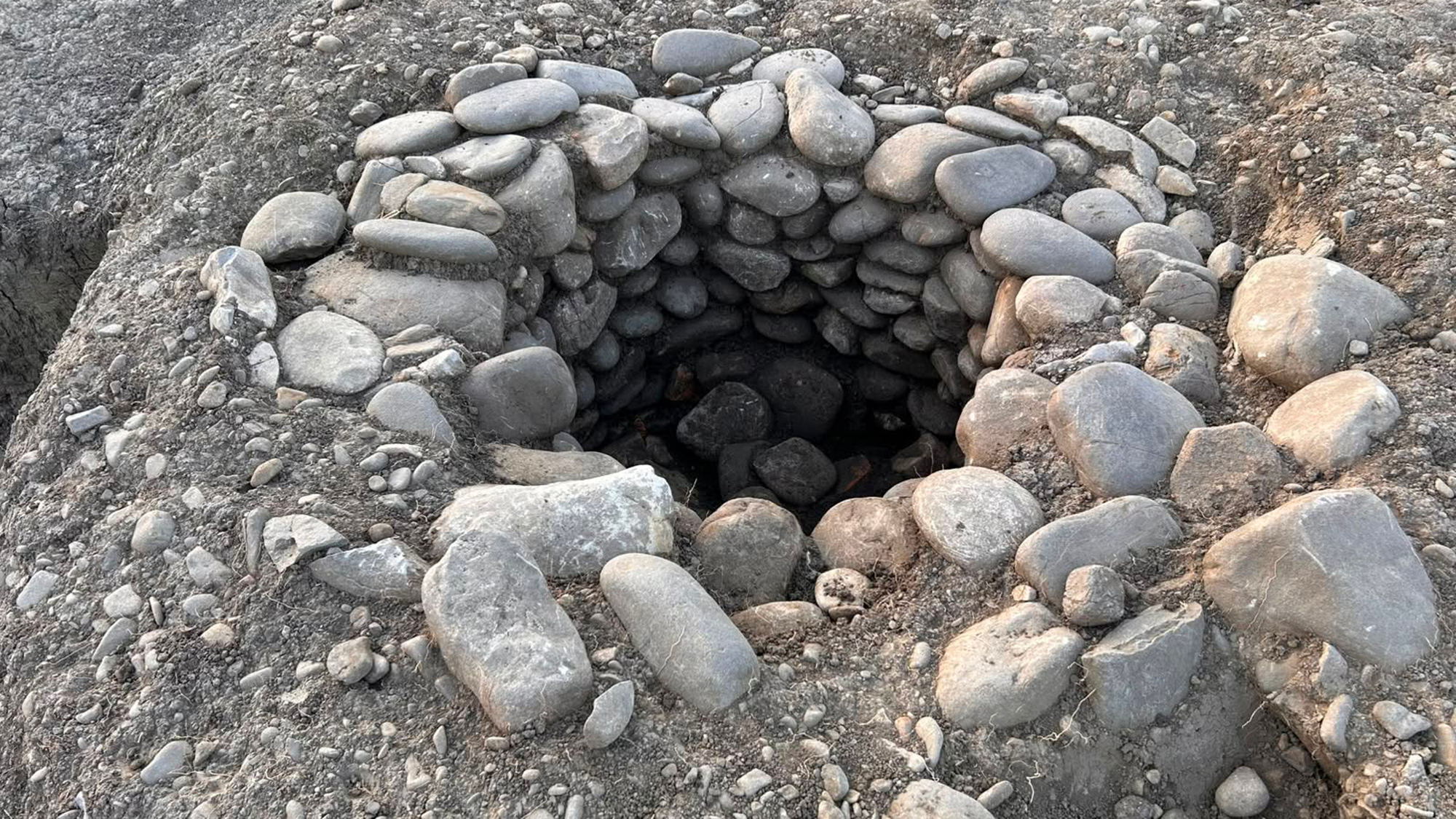
Болонгийн их сургуулийн судлаачид эртний Этрускийн Каинуа хотоос 2500 орчим жилийн настай тахилгын худгийг олж илрүүлэн судалж байна.
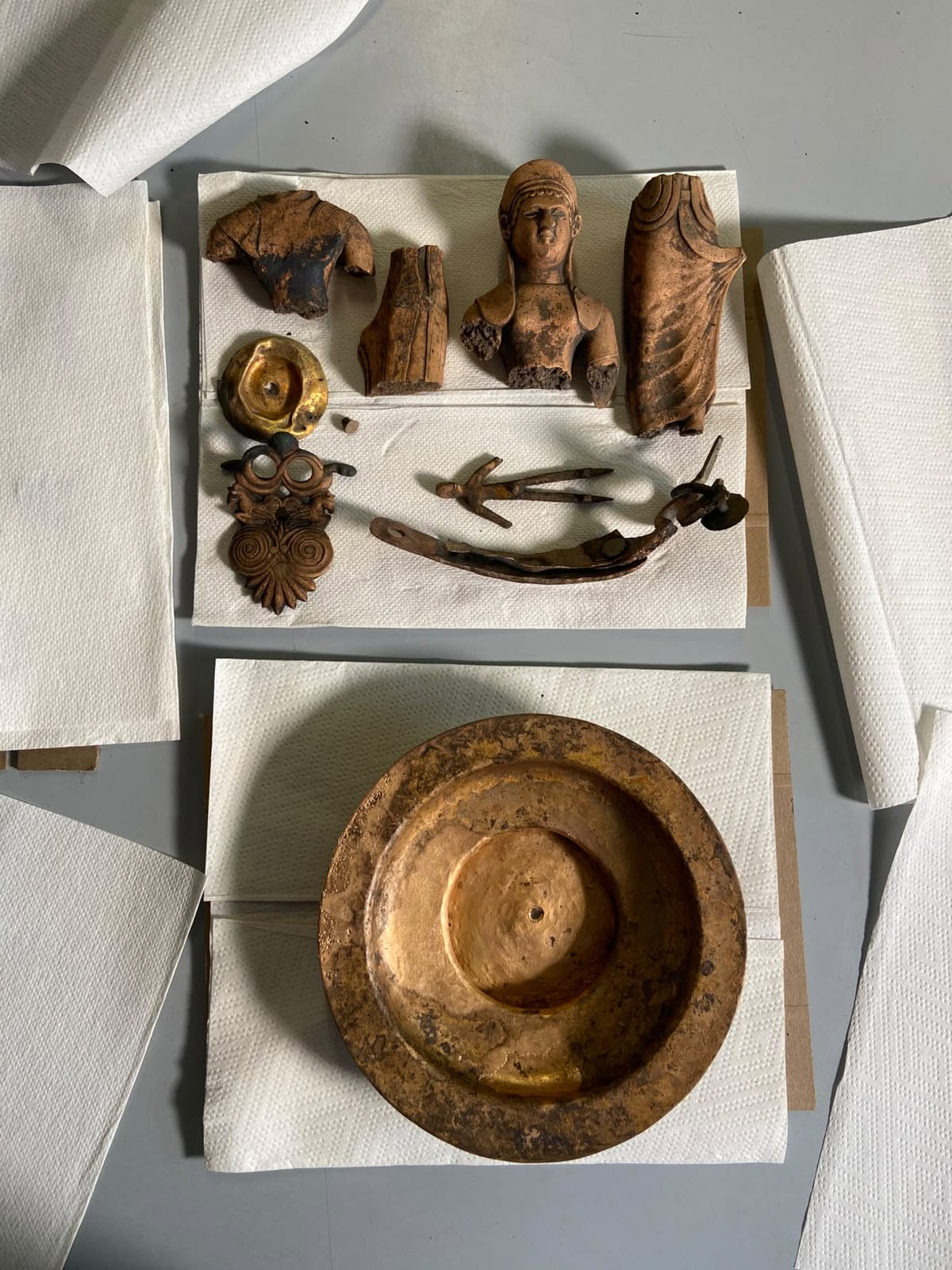
Доктор Элизабетта Говигоор удирдуулсан уг малтлагаар худгийн ёроолоос хүний хоёр араг яс, харин дээд хэсгээс нь хүрэл баримал болон хүрэл таваг олджээ. Судлаачид эдгээр олдворыг худгийн түүхэн дэх хоёр өөр үе шаттай холбон тайлбарлаж байна. Хүрэл эдлэлүүд нь худгийг ашиглалтад оруулах үеийн тахилгын зан үйл, харин хүний шарил нь худгийг хаах үйл явцтай холбоотой байж болзошгүй гэсэн таамаг дэвшүүлжээ.
Худгийн ойролцоо эртний Этрускийн Uni бурхны сүм байсан нь уг олдворуудыг шашны зан үйл, ялангуяа эмэгтэйчүүд болон төрөлт, өсөлттэй холбоотой соёлын өв болохыг илтгэж байна. Этрускүүдийн хувьд хүрэл нь “амьд” болон нөхөн үржихүйн бэлгэдэл байсан тул уг хүрэл эдлэлүүдийг зориудаар эвдэлж өргөл болгон хийсэн байх магадлалтай гэж үзжээ.
Одоогоор археологийн багийнхан олдворуудын талаарх урьдчилсан дүгнэлтээ гаргаад байгаа ч хүний шарилын учир шалтгаан бүрэн тодорхойгүй байна. Шинжлэх ухааны нарийвчилсан шинжилгээгээр шарилуудад золиослол үйлдсэн шинж тэмдэг илрээгүй бөгөөд цаашид ДНХ-ийн шинжилгээ болон нүүрстөрөгчийн он цаг тогтоох аргаар илүү тодорхой мэдээлэл авахаар төлөвлөж байна.
Дэлгэрэнгүйг эх сурвалжаас харах
↓Эх сурвалжийг нээх ↓
Before neighborhoods became communities through street connections, before temples became places of institutionalized practice, there needed to be ritual and water. Archaeologists exploring the ancient Etruscan city of Kainua, which lies close to modern day Bologna, Italy, have located such a site.
A ritual well located within Kainua was discovered at the bottom of the well, which appears to be roughly 2500 years old, contained two partially intact bronze statues of wealthy-looking women or young girls, one bronze plate and the skeletal remains of a man and a woman. The items appear to represent two distinct periods in the well’s history; ritual/ceremonial beginnings represented by bronze (at the top), and burial/sacrifice represented by the human remains (at the bottom).
A Well Between City and Sanctuary
The University of Bologna’s 39th archaeological campaign at Kainua resulted in the discovery of the ritual well, under the direction of Dr. Elisabetta Govi. According to the University of Bologna’s official report of the 2021/2022 field season at Kainua, Govi has published research on Kainua in 2023.The well lies adjacent to a sanctuary dedicated to Uni, an Etruscan deity closely related to women, birth/marriage/growth, and the identification of monumental temples dedicated to Uni and Tinia (the divine couple of the Etruscan pantheon).
Due to lack of context regarding what may be considered “a ritual,” the interpretation of these findings is not simple. Wells often contain numerous discarded items resulting from thoroughly mundane causes. However, human remains immediately introduce the idea of human sacrifice. Nevertheless, the excavators believe that the combination of location, artifacts found, and temporal sequence render improbable ordinary disposal practices, however preliminary examination of both adult skeletons provide no evidence for sacrificial death.
Bronze at the Beginning, Bodies at the End
Dr. Govi discussed the burials in relation to a possible “closure ritual” for the well in a September 8th LiveScience interview. This interpretation represents only a hypothesis and not a solved crime. From a material standpoint, the most compelling evidence is that the bronze statuettes and bronze plate indicate that the well dates back to approximately the time when Kainua developed into a city (around the late sixth or early fifth centuries BCE) and the high-quality preservation of the metal due to water and oxygen-free conditions has allowed them to retain much of their original lustrous appearance.
The evidence suggests that the statuettes were intentionally destroyed; though archaeologists have documented examples of similar bronze female votive figurines that are connected to Etruscan water worship practices throughout various parts of Europe and Asia, none of them have ever been found buried within a well.
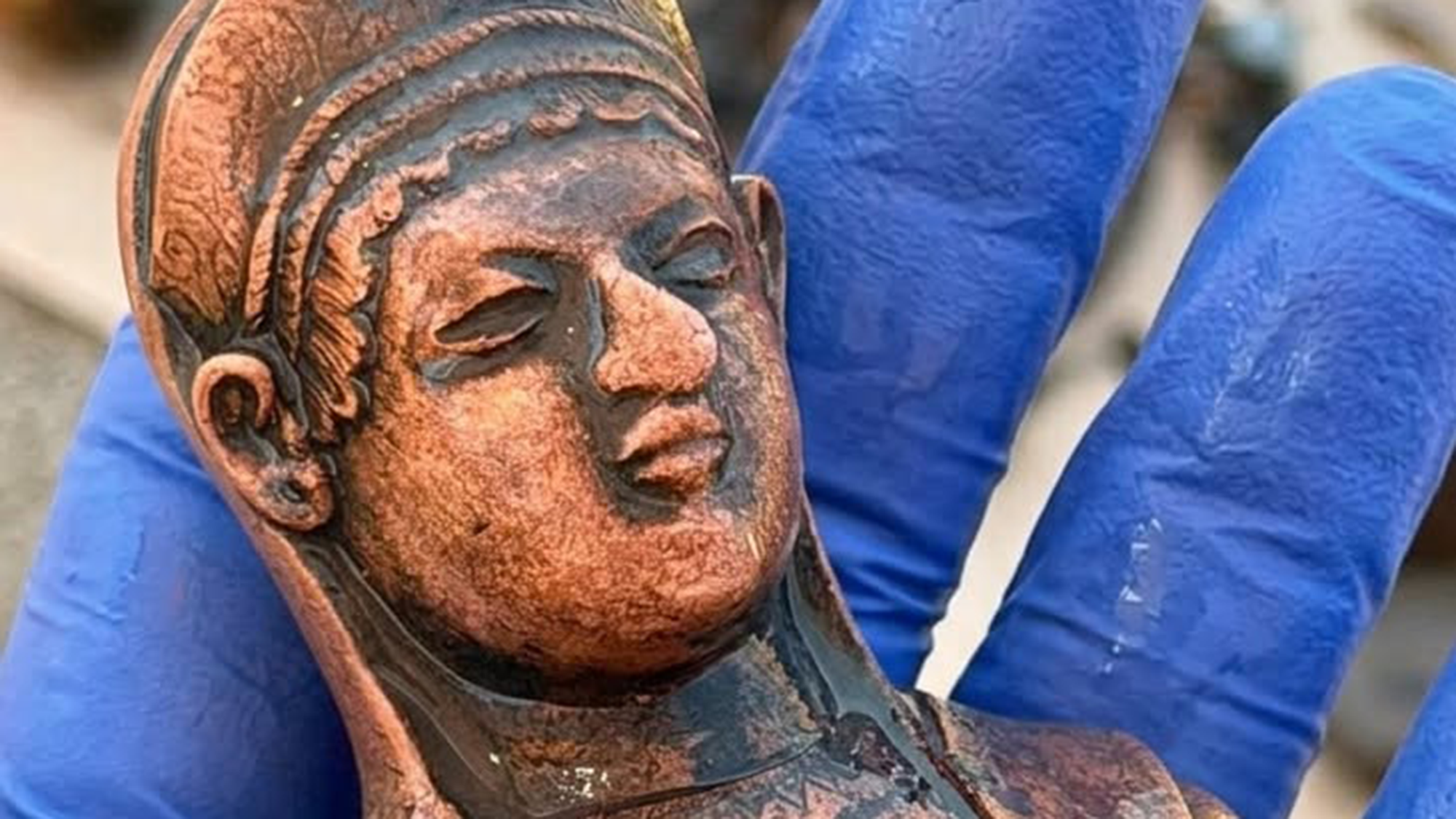
In addition, the bronze plate represents an additional significant distinction. Though Govi describes it as resembling many forms of typical Etruscan ceramics, it is currently believed by the Italian Ministry of Cultural Heritage and Tourism (Directorate-General for Museums) to be the only known Etruscan example made out of bronze of that particular type. Based on their description of this finding, it seems clear that the Italian Ministry views this discovery as being representative of votive offering placed in the well during the ritual ceremony in which it was constructed. Notably difficult to overlook.
Overall, based upon the combination of all of these elements, the ritual well at Kainua appears to possess a relatively consistent symbolic language. As noted earlier, Uni’s cult focused upon birth and growth. Additionally, documentation exists concerning Vei, a deity associated with fertility and agriculture/human fertility from the same sacred area.
Dr. Govi stated “everything fits together to describe this story about rituals centered on the feminine element,” when discussing the significance of this find with Live Science. Bronze carried yet another level of cultural significance: production from copper/tin was viewed as regenerative and “living” by the Etrusks as per Dr. Govi’s comments to Live Science. Similarly, water played a role in religious contexts as well. Rather than requiring an either/or approach to sacred vs. practical usage for the well, Dr. Govi believes that the well may have served ordinary water needs while simultaneously providing for ceremonies occurring within the nearby sanctuary.
What the Skeletons May Still Reveal
As archaeologists seeking to reconstruct aspects of Etruscan urban life, the well connects typically separate components: urban infrastructure on one hand, temple worship/votive offerings and formal creation of a city on the other. In addition, this well provides investigators with a temporal sequence to test rather than simply a collection of suggestive artifacts: the bronze offerings appear to indicate an initial opening ritual for the well, whereas the two adults seem to represent a subsequent closing event for it.
DNA testing and carbon-14 dating are planned for examination of the skeletons. After scientific study permits entry into collections for study purposes, the bronze findings will likely enter the National Etruscan Museum in Marzabotto. Unusually specific aspects remain unresolved at present. Investigators have not established identity for the man and woman or exact timing for when they entered the well.
Laboratory work scheduled for completion in September should allow translation from symbolic representation to biographical information.
Enjoyed this article? Subscribe to our free newsletter for engaging stories, exclusive content, and the latest news.


Эртний Этрускийн соёлын үед хүрэл эдлэлүүд ямар зүйлд зориулдаг байсныг сонирхож байна уу? Түүнийгээ эвдэж өргөсөн нь ямар зорилготой байсан бол гэж бодогддог шүү. Энэ олдворууд нь түүхийн ямар нэгэн нууцыг ил гаргах шиг санагдаж байна, та юу гэж бодож байна?