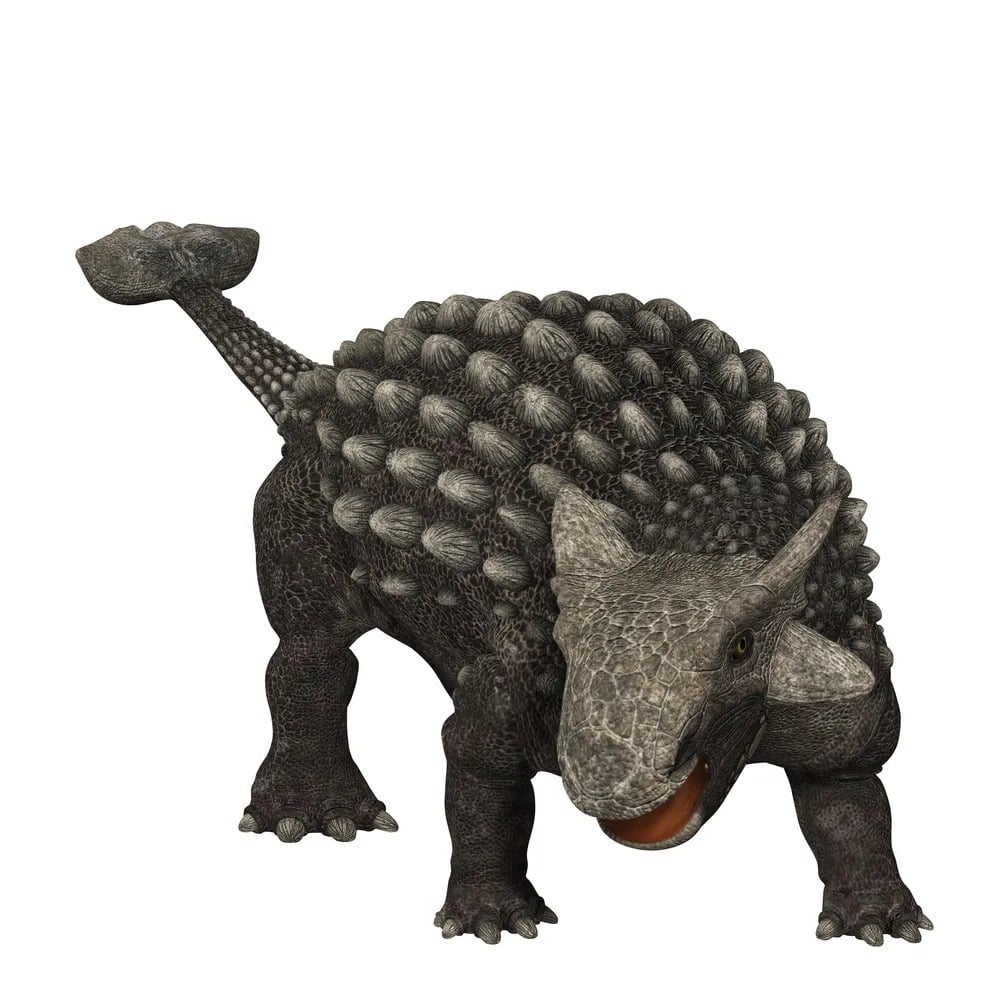
Хорин жилийн өмнө олдсон гавлын яс болон бусад ясны хэлтэрхийг орчин үеийн технологиор судалсны үр дүнд Nipponopelta yezoensis хэмээх шинэ үлэг гүрвэлийг илрүүллээ.
Хоккайдо их сургуулийн палеонтологич Шумпэй Оябу тэргүүтэй судлаачид Юбари хотын ойролцоох Хикагэносава тогтоцоос олдсон үлэг гүрвэлийн үлдэгдлийг 3D КТ (компьютерт томограф) сканнераар нарийвчлан шинжилжээ. 96-94 сая жилийн өмнө амьдарч байсан энэхүү амьтны гавлын яс, хүзүүний нугалам болон шүдний хэлтэрхий нь олон жилийн турш тодорхойгүй ангилалд багтаж байсан юм. Шинэ судалгаагаар уг олдвор нь Японы анхны албан ёсоор бүртгэгдсэн хуягт үлэг гүрвэл буюу анкилозавр болохыг баталсан байна.
Энэхүү олдвор нь Ази тивд ховор тохиолддог хуягт үлэг гүрвэлийн гавлын ясны бүтэц, тэр дундаа дотоод чих болон эрүүний бүтцийг судлах ховор боломжийг олгож байгаагаараа шинжлэх ухааны өндөр ач холбогдолтой юм. Шинжилгээгээр уг үлэг гүрвэл нь Азид өмнө нь мэдэгдэж байсан нодозаврид төрлийн үлэг гүрвэлүүдээс ялгаатай нь тогтоогджээ. Харин ч эсрэгээрээ, Хойд Америк болон Европын бүс нутагт тархсан нодозаврид бүлэгтэй илүү төстэй болохыг филогенетик шинжилгээ харуулсан байна.
Судлаачдын гаргасан таамаглалаар, энэхүү үлэг гүрвэлийн өвөг дээдэс нь Хойд Америк, Ази зэрэг өргөн уудам газар нутгаар тархан суурьшсан байх магадлалтай. Мөн тус багийнхан энэхүү төрөл зүйл нь далайн эрэг орчмын болон голын адаг зэрэг чийглэг орчинд амьдрахад дасан зохицсон байсан гэж үзэж байна. Энэхүү эргийн амьдралын хэв маяг нь тэдний дэлхий даяар тархах үйл явцад нөлөөлсөн байж болзошгүй гэж судлаачид тайлбарлалаа.
Дэлгэрэнгүйг эх сурвалжаас харах
↓Эх сурвалжийг нээх ↓
Scientists have identified a new genus and species of armored dinosaur from cranial fossils dug up on the Japanese island of Hokkaido more than twenty years ago. Named Nipponopelta yezoensis, the animal lived between 96 and 94 million years ago and represents the first ankylosaur ever formally described from Japan.
The find is more than a simple addition to the dinosaur family tree. Ankylosaurs, the heavily armored, low-slung herbivores of the Cretaceous, split into two main branches: nodosaurids and ankylosaurids. While both groups turn up regularly in North American and European rock formations, Asian nodosaurids remain comparatively rare, and almost all of them are known only from body fossils rather than skulls.
That scarcity of cranial material is precisely what makes Nipponopelta yezoensis stand out. According to the paleontologists behind the study, it is only the second Asian nodosaurid known from skull material, giving researchers a rare window into features, like inner ear structure and jaw anatomy, that body fossils simply can’t provide.
The specimen, made up of a partial skull, a neck vertebra, and several teeth, was originally unearthed from a concretion in the upper Hikagenosawa Formation near Yubari city, and its taxonomic identity remained unsettled for years after its discovery.
A Digital Reconstruction Two Decades in the Making
The fossils sat in scientific limbo largely because so much of the skull’s internal detail was inaccessible to the naked eye. That changed when a team led by Hokkaido University paleontologist Shumpei Oyabu applied three-dimensional CT scanning to the specimen, digitally reconstructing portions of the anatomy that had never been visible before.
The CT scans brought new details into view: part of the lower jaw, two intact teeth, and the dinosaur’s left inner ear, along with a distinctive set of features at the back of the skull. It was this combination that finally let researchers settle what past examinations had left unresolved, confirming the specimen as a new dinosaur genus and species rather than a previously known nodosaurid.
An Unexpected Family Tree
Perhaps the most striking result of the study concerns where Nipponopelta yezoensis fits among its relatives. Rather than clustering with the handful of other nodosaurids already known from Asia, the phylogenetic analysis placed it deep within a group of derived nodosaurids from North America and Europe, alongside genera such as Pawpawsaurus, Panoplosaurus, Edmontonia, and Denversaurus.

To make sense of that pattern, the team modeled how the dinosaur species’ ancestors might have dispersed across the globe over millions of years. Oyabu and his co-authors write that:
“Ancestral geographic analysis suggests thatNipponopelta yezoensisand its close relatives originated in Laramidia, Appalachia, and Asia, indicating a wide ancestral area.”
Coastal Living and a Wider Pattern
The researchers also traced how ankylosaur habitat preferences shifted over time. Nodosaurids, the researchers noted, are more commonly found in marine deposits than ankylosaurids are, and several studies cited in the paper suggest the group was generally well adapted to coastal and estuarine settings.
The habitat reconstruction from this study suggests that Nipponopelta yezoensis lived in marine-influenced environments, likely along coastlines or near estuaries. The researchers say that ankylosaurs may have first appeared in coastal areas before some groups later moved inland.

Nodosaurids, including Nipponopelta yezoensis, seem to have kept that coastal lifestyle, and the team believes this preference may have helped shape how these dinosaurs spread across different regions over time.
Enjoyed this article? Subscribe to our free newsletter for engaging stories, exclusive content, and the latest news.


Японы Хоккайдо арал дээр олдсон хуягт үлэг гүрвэлийн шинэ төрөл зүйлийг судлаачид илрүүлсэн нь сонирхолтой. Тэдний судалгаагаар энэ нь Японы анхны бүрэн хуягт үлэг гүрвэл болох Nipponopelta yezoensis ажээ. Та энэ олдворыг ямар талаараа хамгийн онцгой гэж үзэж байна вэ?