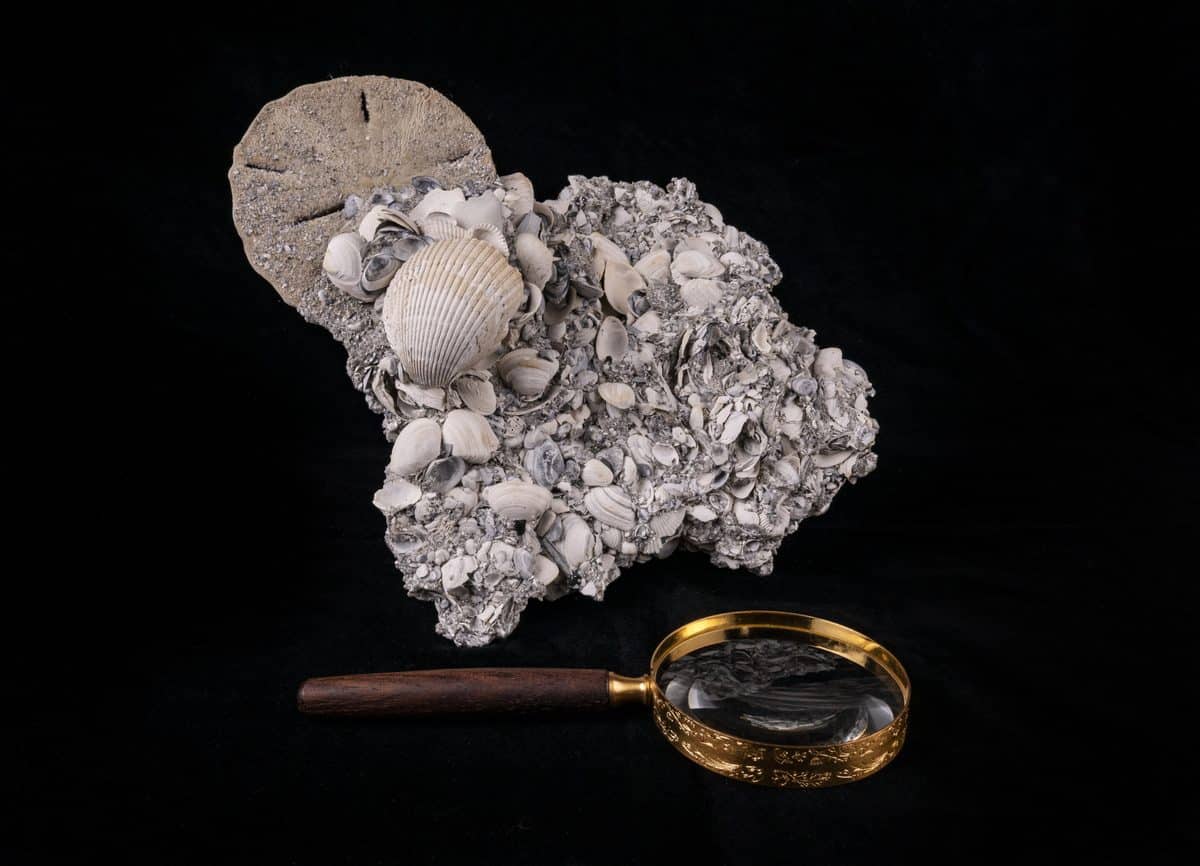
Олон улсын судлаачдын баг 20 жилийн хугацаанд 7,500 гаруй далайн олдворт шинжилгээ хийснээр палеонтологийн шинжлэх ухаанд олон арван жил тайлагдаагүй байсан нууцыг нээлээ. Эрдэмтэд өөр өөр эрин үед амьдарч байсан организмын үлдэгдэл яагаад нэг чулуулгийн давхаргад хамтдаа олддог болохыг судалж, үүнийг “цаг хугацааны дундажлалт” хэмээх үзэгдэлтэй холбон тайлбарлав.
Судалгааны баг нүүрстөрөгчийн болон амин хүчлийн аргаар олдворуудын насыг тогтоож, хурдас бүрэлдэх явц, биотурбаци буюу амьтдын нөлөөгөөр хөрс эргэлдэх үйл явц, олдворын элэгдэл зэргийг харьцуулан симуляци хийсэн байна. Үр дүнд нь далайн ёроолд хурдас хэр хурдан хуримтлагдаж байгаа нь тухайн давхарга дахь олдворуудын цаг хугацааны ялгааг тодорхойлох хамгийн чухал үзүүлэлт болох нь нотлогджээ. Хурдас хурдан хуримтлагдах тусам үлдэгдлүүд өөр өөр үеийнхтэй холилдох магадлал багасдаг байна.
Энэхүү олон улсын хамтарсан судалгаа нь палеонтологийн олдворт газруудыг тайлбарлахад суурь ач холбогдолтой юм. Судлаачдын үзэж байгаагаар, олдвор бүхий давхаргыг шинжлэхээсээ өмнө тухайн олдворууд хэр удаан хугацааны туршид хуримтлагдсаныг тодорхойлох нь судалгааны үнэн зөв дүгнэлт гаргахад зайлшгүй шаардлагатай алхам ажээ.
Дэлгэрэнгүйг эх сурвалжаас харах
↓Эх сурвалжийг нээх ↓
Scientists have spent twenty years and analyzed more than 7,500 marine fossils to answer a question that has quietly troubled paleontology for generations: why doma fossils from wildly different eras so often end up buried together in the same layer of rock? The answer, it turns out, comes down to a single dominant factor, how fast sediment piles up on the seafloor.
The phenomenon is known as time averaging, and it matters more than it might sound. When shells, bones, and other remains from organisms that lived hundreds or even thousands of years apart get mixed into one stratum, it becomes far harder for scientists to know what story that layer is actually telling. Some fossil beds capture a single moment, frozen in time. Others quietly accumulate remains across centuries, blending distinct populations into what looks, at first glance, like one snapshot.
This distinction shapes the very questions paleontologists are able to ask. According to Daniele Scarponi, an associate professor at the University of Bologna, understanding how much time a fossil deposit represents has to come before any interpretation of it can begin. Scarponi compared some deposits to the ruins of Pompeii, buried quickly enough to preserve a single frozen moment, and others to a graveyard used across generations, where remains from different eras slowly accumulate together.
Both kinds of sites are useful to researchers, he noted, but the type of data each one yields is not the same, which is why figuring out how much mixing has taken place is a necessary first step before drawing conclusions from any fossil bed.
Burrowing Animals, Sediment, and the Race Against Decay
Time averaging doesn’t happen for just one reason. Seafloors are riddled with the tunnels of burrowing creatures, including clams, shrimp, sea stars, sand dollars, snails, and worms, and a single square meter of productive seafloor can contain hundreds to thousands of these interconnected passages. That constant burrowing, known as bioturbation, churns up sediment along with whatever shells or skeletal remains happen to be sitting in it.
Durability plays a role too. Most organisms simply don’t survive long enough to fossilize; they decompose or get picked apart by scavengers first, which is why both marine and terrestrial fossil records skew heavily toward hard material like shells and bones, and even those break down if burial doesn’t happen quickly enough.
Biological productivity matters as well, since the number of fossils found in a given spot is closely tied to how many organisms were living and dying there in the first place. Still, per the research team’s findings, none of these factors compares to the influence of sedimentation rate itself.
A Rare, Two-Decade Collaboration
Gathering the evidence to test this rigorously has never been feasible for a single lab. Radiocarbon and amino acid dating are expensive, and most research groups can only afford to date a few dozen specimens, nowhere near the thousands needed to properly assess time averaging on a global scale.
What made this project possible was an unusual convergence: research teams in Australia, Austria, the Bahamas, Brazil, Italy, Germany, Slovakia, and the United States had all been independently collecting and dating fossils using similar methods for years, without at first realizing how well their datasets would complement each other.

Michal Kowalewski, the study’s co-lead author and the Thompson chair of invertebrate paleontology at the Florida Museum of Natural History, explained in a museum statement that:
“Nothing on this scale has ever been attempted before because it’s simply not feasible to do so, but thanks to the fact that we had a whole bunch of teams that worked on similar topics and used similar methods, we were able to compile it.”
Sedimentation Rate Takes the Lead
To pin down which factor mattered most, the team simulated fossil age distributions under varying rates of bioturbation, sedimentation, and fossil destruction, then compared those simulations against the real age spread found in their carbon-dated specimens. The result, according to the study published in the Proceedings of the National Academy of Sciences, was unambiguous: sedimentation rate predicts the temporal resolution of a fossil assemblage better than any other variable examined. Rafal Nawrot, a paleontologist at the University of Vienna, said what continues to strike him is:
“how much time a bunch of fossils collected from a single sediment layer can represent. In some cases, well-preserved fossil organisms that are found next to each other might have lived hundreds or thousands of years apart.”
The faster shells or bones get buried beneath the sediment surface, the less likely it is that remains from multiple generations will end up preserved side by side. Kowalewski described the finding in simpler terms.
“Sometimes life turns out to be more exciting than you thought,” he said, adding that: “In this case, the outcome is beyond any dreams we may have had when we started.”
Enjoyed this article? Subscribe to our free newsletter for engaging stories, exclusive content, and the latest news.


Талий 20 жилийн судалгаа ямар нээлт хийсэн гэж бодож байна? Зарим олдворууд нэгэн цаг үед биш олон эринд цугларч байж болох юм гэдэг ойлголт нь палеонтологид хэр их хувь нэмэр оруулж чадах бол?