Судлаачид Өмнөд Солонгосын тусгаарлагдсан агуйн системүүдээс урьд өмнө мэдэгдээгүй, өвөрмөц бүтэцтэй дөрвөн зүйл хавч-аалзыг нээн илрүүлжээ.
Жонбук үндэсний их сургуулийн судлаачид газар доорх амьдрах орчныг судалсны үр дүнд Spelaeochthonius төрөлд хамаарах эдгээр шинэ зүйлийг илрүүлсэн байна. Генетикийн өгөгдөл, биеийн бүтэц, экологийн онцлогт тулгуурласан интегратив таксономийн аргыг ашиглан хийсэн уг судалгаагаар тус улсын агуйд амьдардаг хавч-аалзны мэдэгдэж буй зүйлийн тоо таваас ес болж нэмэгджээ.
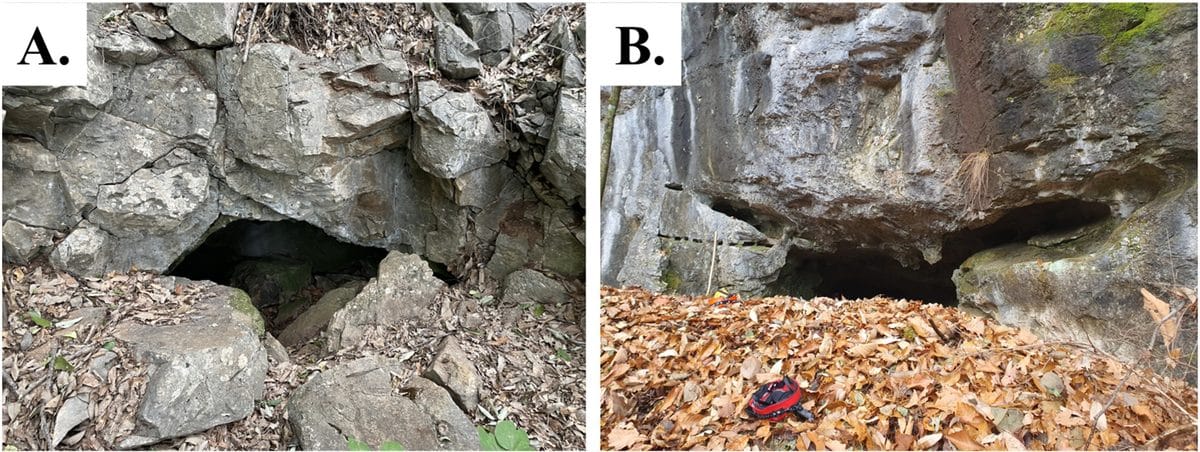
Эдгээр хавч-аалз нь 1-3 миллиметр хэмжээтэй боловч луутай төстэй том хавчууртай бөгөөд нарны гэрэлгүй орчинд амьдрахаар бүрэн зохицсон байна. Тэд жинхэнэ хилэнцэт хорхойг бодвол хатгуургүй бөгөөд хүчирхэг эрүүгээ ашиглан харанхуйд ан хийдэг. Судалгаанд хамрагдсан S. dugigulensis, S. geumgulensis, S. magwihalmigulensis болон S. yamigulensis зүйлүүд нь тус бүрдээ зөвхөн нэг агуй эсвэл карстын системд амьдардаг нь тогтоогджээ.
Энэхүү олдвор нь Өмнөд Солонгосын газар доорх экосистем урьд өмнө төсөөлж байснаас илүү баялаг болохыг харуулж байна. Тус улсад 1000 гаруй агуй байдаг ч ихэнх нь бүрэн судлагдаагүй байгаа нь шинжлэх ухааны хувьд нээлт хийх боломж хэвээр байгааг илтгэж байна.
Судлаачид эдгээр эмзэг экосистем нь уур амьсгалын өөрчлөлт, бохирдол болон хүний үйл ажиллагааны улмаас устах аюултайг анхаарууллаа. Газар доорх харанхуй ертөнцийн амьтны аймгийг хамгаалах, танин мэдэхэд эдгээр шинэ зүйлийг нарийвчлан судлах нь нэн чухал ач холбогдолтой юм.
Дэлгэрэнгүйг эх сурвалжаас харах
↓Эх сурвалжийг нээх ↓
Four previously unknown species of tiny dragon pseudoscorpions have been discovered in caves across South Korea, giving scientists a new glimpse into the country’s hidden underground life. These strange-looking arachnids, known for their oversized jaws, were found in isolated cave systems where they have lived largely out of sight.
The discovery was made by researchers from Jeonbuk National University during field surveys of underground habitats. The team identified the new species as members of the genus Spelaeochthonius, using a mix of genetic data, physical characteristics and ecological information.
Caves are home to many specialized animals that have adapted to life without sunlight. Yet, despite their importance for biodiversity studies, many underground ecosystems remain poorly explored. A study published in PLOS One shows that South Korea previously had only five recorded cave-dwelling pseudoscorpion species. With these four new discoveries, the known number has now grown to nine.
Small Creatures With Surprisingly Large Jaws
The newly discovered animals may look like miniature monsters, but they are only 1 to 3 millimeters long. Their name comes from their unusually large pincers, which give them a dragon-like appearance despite their tiny size.
Unlike true scorpions, dragon pseudoscorpions do not have a stinging tail. They belong to the same broader group of arachnids but hunt in a different way, using their powerful jaws to catch small prey in complete darkness.
As mentioned in the paper, the four new species are named Spelaeochthonius dugigulensis, S. geumgulensis, S. magwihalmigulensis and S. yamigulensis. Researchers collected specimens from caves, preserved them and examined their features to determine that they represented separate species. The animals share several traits common among cave species.
Their bodies range from light orange to brown, and their appearance reflects the conditions of their underground habitats. The scientists also found that each species has its own genetic and physical differences.
The study team found that every newly identified species is limited to a single cave or karst system, making each population closely tied to its specific underground environment.
Life hidden in South Korea’s caves
This discovery strengthens a pattern scientists have been noticing: life beneath South Korea’s surface is far more abundant than previously thought. The country hosts upwards of 1,000 caves, with notable concentrations in the Taebaek and Sobaek mountain regions.
Many of these caves have not been fully explored, meaning scientists still have only a partial view of the species living below ground. The new pseudoscorpions provide another example of how isolated cave environments can support unique forms of life.

To identify the species, researchers used integrative taxonomy, a method that combines different types of evidence, including DNA analysis, body structure and information about the environment where the animals live.
The authors point out that finding unknown underground species helps scientists better understand these ecosystems and the animals that depend on them. The research also reveals more about the diversity of the genus Spelaeochthonius.
Protecting life hidden beneath the surface
The discovery of new species also draws attention to the fragile nature of cave environments. Animals that live in only one cave system can be highly vulnerable when their habitat changes.
Climate change, pollution and habitat destruction all pose serious risks to these isolated underground ecosystems, the scientists warn. Before any conservation strategy can take shape, they say, researchers first need a clear picture of what species actually live there.

The researchers point out that protecting these fragile underground ecosystems starts with knowing more about the species that live there. The study shows that identifying and understanding these hidden forms of life is an important step toward future conservation efforts.
“Discovering undescribed subterranean species is an important project for conserving and understanding the unveiled fauna of this dark ecosystem,” they said.
Enjoyed this article? Subscribe to our free newsletter for engaging stories, exclusive content, and the latest news.

