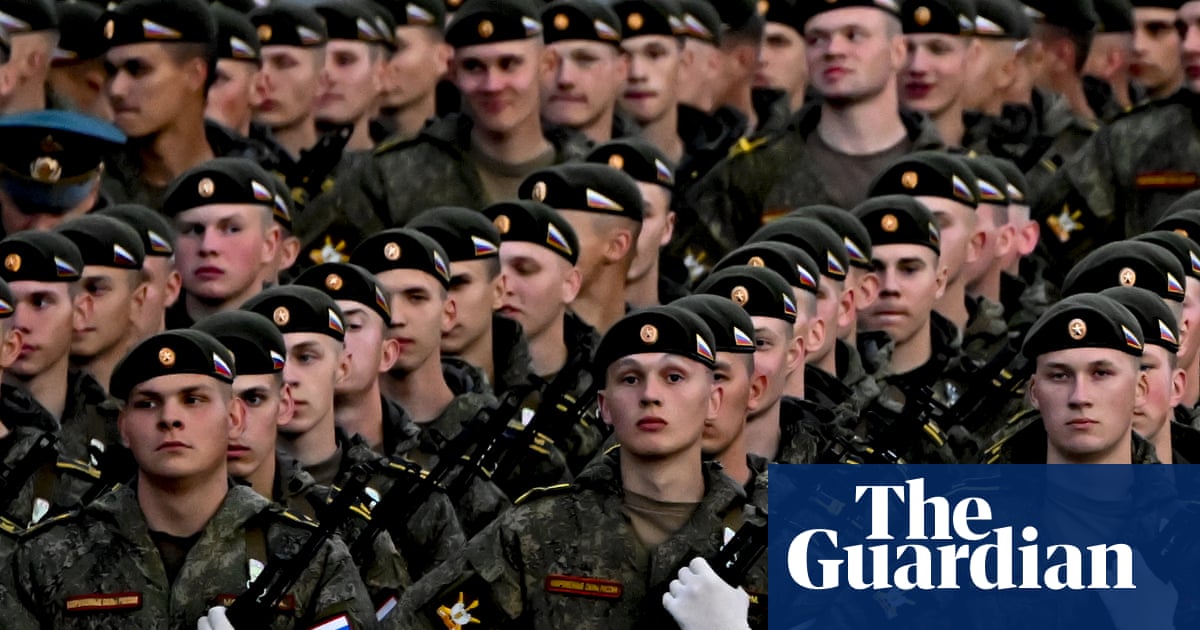
ОХУ-ын арми Украинд тулалдаж буй цэргийн алба хаагчдын хохирлоо нөхөж чадахгүй байгаа бөгөөд сар тутамд нөхөн хангалтаас илүү тооны цэргээ алдаж байна.
Өрнөдийн албаны хүмүүсийн мэдээлснээр, ОХУ өдөрт дунджаар 1,000 цэрэг шинээр элсүүлж байгаа хэдий ч сүүлийн хоёр сарын байдлаар энэ нь тулааны талбарт амь үрэгдсэн болон шархадсан цэргүүдийн тоог гүйцэхгүй байна. Одоогийн байдлаар ОХУ-ын цэргийн хохирол нь шинээр элсүүлж буй хүний нөөцөөс сард 6,000-аар илүү байгаа аж. Цэргийн нэмэлт дайчилгаа явуулах нь улс төр, эдийн засгийн хувьд өндөр эрсдэлтэй бөгөөд 2022 оны намар зохион байгуулсан дайчилгааны дараа олон тооны мэргэжлийн боловсон хүчин эх орноо орхин гарсан юм.
Энэхүү нөхцөл байдалд ОХУ Украины эрчим хүчний дэд бүтцийг онилсон пуужингийн цохилтуудыг эрчимжүүлж, Украины ард иргэдийн сэтгэл зүйг мохоох тактик баримталж байна. Долдугаар сарын эхэн үеэс хойш ОХУ 360 гаруй пуужин харваж, Украины агаарын довтолгооноос хамгаалах системийн дутагдлыг ашиглахыг оролдож байна. Үүний хариуд Украин ОХУ-ын газрын тосны салбарын байгууламжууд руу довтолж, шатахууны хомсдол үүсгэх замаар хариу барьж байна.
Их Британийн Ерөнхий сайд Энди Бернам энэ долоо хоногт Киевийг зорьж, Украинтай алсын тусгалт далавчит пуужингийн эд ангиудтай холбоотой нууц мэдээллийг хуваалцахаа мэдэгдлээ. Тэрээр мөн олон улсын хамтын нийгэмлэгийг Украинд Patriot зенит пуужингийн систем зэрэг хамгаалалтын хэрэгслийг нэмэгдүүлэхийг уриалж байгаа бөгөөд энэ асуудлаар ирэх сард Нью-Йорк хотноо болох НҮБ-ын Ерөнхий ассамблейн чуулган дээр байр сууриа илэрхийлэхээр төлөвлөжээ.
ОХУ-ын зүгээс Их Британийг эсэргүүцэн хариу арга хэмжээ авах, тэр дундаа цэргийн байгууламжууд руу нь довтлох тухай сүрдүүлгүүдийг удаа дараа гаргаж байна. Гэсэн хэдий ч Өрнөдийн албаныхан ОХУ-ын удирдлага НАТО-той шууд мөргөлдөхөөс зайлсхийхийг хичээж байгаа гэж үзэж байна. Одоогийн өрнөж буй сөргөлдөөн нь ОХУ-ын уламжлалт цэргийн сургаалтай нийцэж байгаа бөгөөд тэд яриа хэлэлцээ болон сүрдүүлгийн аргаар өрсөлдөгч талуудын шийдвэр гаргах үйл явцад нөлөөлөхийг эрмэлзэж байна.
Дэлгэрэнгүйг эх сурвалжаас харах
↓Эх сурвалжийг нээх ↓
Russia is losing about 6,000 more troops in Ukraine each month than it can recruit, western officials have said.
While Russia is still acquiring new battlefield recruits at speed, with an estimated rate of 1,000 a day, in the last two months even this has not been sufficient to replace those killed or injured.
“We estimate that the gap between the number of people Russia is losing to casualties and the number they’re being able to recruit is around 6,000 a month at the moment,” one western official said.
“Putin’s response to this has been to escalate himself and to target civilian infrastructure and civilians in Ukraine, firing over 360 missiles since early July and exploiting Kyiv’s shortage of defence against ballistic missiles. It’s clear that Moscow intends to try and break Ukrainian morale by destroying its energy infrastructure this winter.”
Such tactics are in part because Putin has limited options for overcoming the huge losses on the battlefield with more recruitment.
Western officials believe further mobilisation would be a big risk both politically and economically, saying the last such event, in autumn 2022, saw about a million, often highly skilled, Russians leave the country, with less than half returning.
It is also unclear whether the Russia military could absorb the several hundred thousand new recruits which would result, given a lack of equipment and officers.
Ukraine has repeatedly attacked Russian targets connected to oil, creating fuel shortages, but has appealed repeatedly for more help from allies, both with offensive missiles and defence systems.
Andy Burnham visited Kyiv on his first overseas trip as prime minister this week. He told Volodymyr Zelenskyy that the UK would give Ukraine previously classified information on the British-manufactured components for long-range cruise missiles.
Burnham has also urged the international community to do more to protect Ukraine against Russian attacks, particularly with more US-made Patriot interceptor missiles. He is expected to make this argument at next month’s UN general assembly in New York.
In response, Russia has made repeated threats of retaliation, including talk of attacks on UK military targets both inside and outside Ukraine.
The western officials said that while the threat from Russia remained very real, the situation had not changed, and the assessment was that “Putin absolutely wants to avoid a direct confrontation with Nato”.
One official said: “We are seeing a continuation of hostile rhetoric and various accusations against the UK. This is absolutely consistent with longstanding Russian military doctrine, which is to use rhetoric to both exploit fears in adversaries and to influence decision-making. So this is not a new phenomenon.”
Officials say Russia still has the capability to target the UK, with cyberattacks or physical attacks on civilian targets by proxies, for example factories or warehouses.
Last year, six men were jailed for their involvement in an attack ordered by Russia against a warehouse in east London housing aid to Ukraine.
But officials said their assessment was that Putin would limit any such action to avoid more direct conflict with Nato.
Putin’s overall aim in Ukraine, western officials believe, is to maintain a campaign of attrition, hoping that support from Ukraine’s allies will ebb away, particularly if governments are spooked by public alarm over Russian threats.
Such threats should be seen, one official said, as attempts to create a “fractured and more vulnerable Europe”.
Another said: “It’s important to keep in mind that this is not new. Russia has invoked the threat of the possible use of nuclear weapons numerous times in recent years to try to scare us into ending support for Ukraine.”

