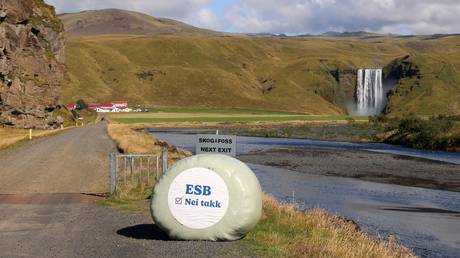
Тус улсын иргэд Европын холбоотой гишүүнчлэлийн хэлэлцээг дахин эхлүүлэх эсэхээ шийдвэрлэхээр саналаа өгч, улс төрийн хувьд хоёр хуваагдаад байна.
Исландчууд Европын холбоотой гишүүнчлэлийн яриа хэлэлцээг дахин эхлүүлэх эсэх асуудлаар санал хураалтад идэвхтэй оролцлоо. Бямба гарагийн орон нутгийн цагаар 22:00 цагт санал авах байрууд хаагдсан бөгөөд урьдчилсан байдлаар сонгогчдын ирц өндөр байв. Баасан гарагийн орой гэхэд 63 мянга гаруй иргэн буюу сонгогчдын дөрөвний нэг нь урьдчилсан саналаа өгсөн байна.
Санал асуулгын үр дүн тодорхойгүй, хоёр талын санал бараг тэнцүү байгааг санал асуулгын дүнгүүд харуулж байна. Ерөнхий сайд Кристирун Фростадоттир санал асуулгын үр дүнг хүндэтгэнэ гэдгээ мэдэгдсэн ч энэхүү санал хураалт нь хуулийн хүрээнд зөвлөлдөх шинжтэй юм. Хэрэв “тийм” гэсэн хариулт давамгайлбал Исланд улс 2015 онд зогсоосон гишүүнчлэлийн хэлэлцээг албан ёсоор дахин эхлүүлэх боловч гишүүн болох эсэх нь хоёр дахь шатны санал асуулгаас хамаарах юм.
Дэмжигчид нь Европын холбоонд элсэх нь эдийн засаг, валютын тогтвортой байдлыг бэхжүүлж, Исланд улсад илүү их нөлөө үзүүлэх боломж олгоно гэж үзэж байна. Харин эсэргүүцэгчид нь тусгаар тогтнол, хөдөө аж ахуй болон стратегийн ач холбогдолтой загас агнуурын салбарт сөрөг нөлөө үзүүлнэ хэмээн болгоомжилж байна. Исланд нь Европын эдийн засгийн бүс болон Шенгений бүсийн гишүүн тул Европын зах зээлтэй нягт холбоотой юм.
Геополитикийн хувьд НАТО-гийн гишүүн Исландын хувьд Европын холбоо нь аюулгүй байдлын нэмэлт баталгаа болно гэж засгийн газрын зарим төлөөлөгчид үзэж байна. АНУ-ын Ерөнхийлөгч Дональд Трамп Гренланд арлыг хяналтдаа авах талаар мэдэгдэл хийж, түүний томилсон элчин сайдад нэр дэвшигч Билли Лонг Исландыг АНУ-ын “52 дахь муж” болгох талаар хошигносон нь тус улсад болгоомжлол төрүүлсэн юм. Нөгөө талд, евроскептикүүд Европын холбоо нь илүү цэрэгжсэн, сөргөлдөөнтэй бодлого баримталж байна гэж шүүмжилж, Исланд нь НАТО-гийн гишүүн болохын хувьд АНУ-тай цэргийн өргөн хүрээтэй харилцаатай болохыг сануулж байна.
Дэлгэрэнгүйг эх сурвалжаас харах
↓Эх сурвалжийг нээх ↓
High turnout has exposed deep divisions over sovereignty, fishing rights and whether the founding NATO member should move closer to Brussels
Icelanders have turned out in unusually large numbers to decide whether to reopen accession talks with the European Union, with the founding NATO member split almost exactly down the middle over its future relationship with Brussels.
Polling stations closed at 10pm local time on Saturday, with the first results expected later in the night. The outcome remained too close to call, with the final opinion polls showing the two camps virtually deadlocked.
Interest in the referendum has been exceptionally high. More than 63,000 people – close to a quarter of the electorate – had already cast advance ballots by Friday night. Turnout on election day was also running ahead of the 2024 parliamentary election in parts of Reykjavík.
The ballot asks voters a single question: “Should Iceland resume accession negotiations with the European Union?”
A “yes” would not automatically make Iceland an EU member. It would restart negotiations abandoned more than a decade ago, with any eventual membership agreement expected to be put to voters in a second referendum. The vote itself is legally advisory, although Prime Minister Kristrun Frostadottir has pledged to respect the result.
The campaign went down to the wire. A final Maskína survey put the “yes” camp at 50.4% and “no” at 49.6%, while a Gallup poll shortly beforehand showed essentially the reverse picture, with opponents narrowly ahead.
Iceland first applied to join the EU in 2009 after its devastating banking collapse and began negotiations the following year. The process was suspended after a change of government in 2013 and effectively abandoned in 2015 as the economy recovered and enthusiasm for surrendering powers to Brussels faded.
Supporters of restarting the talks have argued that closer EU integration could bring greater economic and currency stability and give Iceland more influence over rules it already adopts through the European Economic Area. The country is also part of the Schengen zone and deeply integrated into European markets.
Opponents have focused heavily on sovereignty, agriculture and, above all, Iceland’s fishing grounds, warning that eventual membership could subject the strategically vital industry to the EU’s Common Fisheries Policy.
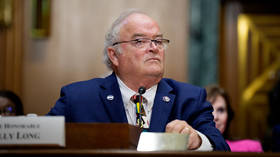
The geopolitical argument has also loomed unusually large. Frostadottir’s allies have portrayed the EU as additional protection in an increasingly unstable world, particularly after US President Donald Trump’s repeated threats to take control of neighboring Greenland. Unease was further fueled in January when Trump’s nominee for ambassador to Iceland, Billy Long, joked that the country itself could become the “52nd state” of the US, with him serving as governor.
Euroskeptics, meanwhile, have argued that Brussels itself is becoming increasingly militarized and confrontational. Iceland is already a founding NATO member and maintains extensivemilitary ties with Washington.

