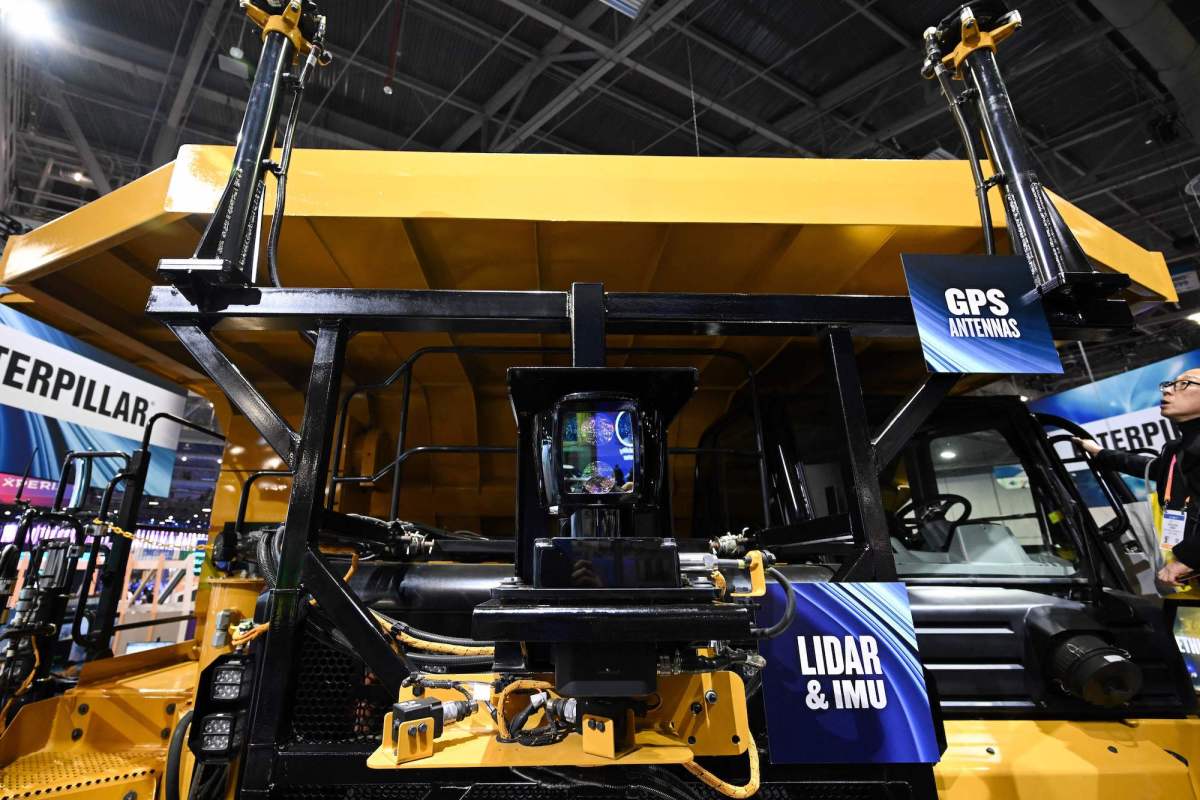
Аж үйлдвэрийн салбарын аварга Caterpillar компани уул уурхайн автоматжуулалтаас олж авсан мэдлэгээ барилга байгууламж, үйлдвэрлэлийн үйл ажиллагаанд өргөн хүрээнд ашиглахаар төлөвлөж байна.
Caterpillar компани уул уурхайн салбарт автомат удирдлагатай ачааны машин, өрмийн төхөөрөмж болон алсаас удирдах системийг амжилттай нэвтрүүлсэн туршлагатай. Технологи хариуцсан захирал Жейми Минерт компанийн хуримтлуулсан 16 петабайтын бүтэцлэгдсэн өгөгдөл болон дэлхий даяар холбогдсон 1.6 сая тоног төхөөрөмжийн мэдээлэлд тулгуурлан хиймэл оюун ухааны шийдлүүдийг боловсруулж байгааг онцоллоо. Үүний нэг жишээ нь Cat AI Assistant бөгөөд уг хэрэгсэл нь техникчдэд дуут командын тусламжтайгаар засвар үйлчилгээний заавар авах, гэмтлийг оношлох боломжийг олгодог.
Тус компани хиймэл оюун ухааныг зөвхөн техник тоног төхөөрөмжид бус, дотоод үйл ажиллагаа болон програм хангамж хөгжүүлэлтэд ч идэвхтэй ашиглаж байна. Тухайлбал, хуучин кодыг шинэчлэх, програм хангамжийг тестлэх, алдааг эрт илрүүлэхэд AI агентуудыг ашиглаж байгаа аж. Мөн үйлдвэрлэлийн талбайг сканнердах, дижитал ихэр (digital twin) технологийг ашиглан үйл ажиллагаанд дүн шинжилгээ хийх ажлыг эрчимжүүлжээ.
Технологийг нэвтрүүлэхдээ ажлын урсгал болон ажилтнуудын ажлын арга барилыг өөрчлөх нь хамгийн сорилттой асуудал гэдгийг Жейми Минерт тэмдэглэв. Иймд Caterpillar компани ирэх таван жилийн хугацаанд ажилтнуудаа хиймэл оюун ухаан, робот техник болон автоматжуулалтын чиглэлээр сургахад 100 сая ам.долларын хөрөнгө оруулалт хийхээр төлөвлөж байна.
Хиймэл оюун ухааны дэд бүтцийн эрэлт нэмэгдэж байгаа нь Caterpillar компанийн санхүүгийн үзүүлэлтэд эергээр нөлөөлж байна. Хоёрдугаар улиралд компанийн орлого түүхэн дээд хэмжээ буюу 20.5 тэрбум ам.долларт хүрсэн бөгөөд үүнд дата төвүүдэд зориулсан эрчим хүч үйлдвэрлэх тоног төхөөрөмжийн эрэлт голлон нөлөөлжээ. Гүйцэтгэх захирал Жо Кридийн мэдээлснээр, үүлэн тооцоолол болон хиймэл оюун ухааны дэд бүтцийн салбарын эрэлт хэрэгцээ өндөр хэвээр байна.
Дэлгэрэнгүйг эх сурвалжаас харах
↓Эх сурвалжийг нээх ↓
Nearly every company that’s trying to deploy artificial intelligence runs into the same problem: it’s hard to integrate the tech into everyday operations. Industrial heavyweight Caterpillar has spent decades dealing with a version of that problem in the physical world, and now it’s using its experience to deploy AI.
Caterpillar’s push into the autonomous space started with mining, where labor shortages and hazardous conditions can make automation particularly useful. Today, it sells automated haul trucks, drilling, underground loaders, dozers, remote-controlled construction equipment, and more. It also offers a software command center, fleet management, and even remote terrain intelligence as part of its autonomous toolkit.
“Now we’re in this super exciting time where we can take all of that learning from mining and bring it into much more dynamic environments, jobsites, quarries, and construction sites,” the company’s CTO, Jaime Mineart, told TechCrunch on the sidelines of the Ai4 conference in Las Vegas earlier this month.
The industrial giant is now applying AI more broadly, including in tools used by technicians and its own employees. One example is the Cat AI Assistant, which lets field technicians standing next to a machine use voice commands to pull up repair procedures, troubleshoot potential problems, and identify parts that may be needed before beginning a repair. Mineart said the tool is now being used by customers, operators and technicians.
The assistant draws on Caterpillar’s proprietary data, which spans information generated by its connected machines. Mineart said Caterpillar has about 1.6 million connected assets globally and more than 16 petabytes of structured data.
The company is also using AI to power software for scanning sites and generating digital twins in manufacturing to analyze operations, she said. And like nearly every other company, Caterpillar is using AI across its enterprise operations, as well as for software development. “We use AI agents to modernize legacy code, generate and test new software, and identify defects earlier,” Mineart said.
But Mineart is quick to point out that building the technology is only part of the challenge, as deploying an autonomous machine is not the same as transforming a site to use AI. Companies also have to rethink how people work alongside the technology and how existing processes need to change.
“The hard part about autonomy and about physical AI is incorporating that technology into the customer jobsite and into the workflows,” she said.
Mineart said the company leans on experienced operators to help train AI systems, leveraging institutional knowledge built over decades. And as machines become more autonomous, some operators may shift from controlling a single machine to overseeing multiple machines from a remote command center.
That transition, however, is creating a new challenge for Caterpillar: training its 118,000 employees. Mineart said the company plans to spend $100 million over the next five years to train its workforce in AI, autonomy and robotics.
That investment is likely being put towards helping the company make the most of the broader boom in AI infrastructure, which is already helping its top-line. Caterpillar’s quarterly revenue reached an all-time high of $20.5 billion in the second quarter, helped by strong demand for power-generation equipment used in data centers. Its power-generation division saw sales spike 72% to $3.10 billion, and CEO Joe Creed said that “no one is slowing down” when it comes to demand for cloud computing and generative AI infrastructure.
When you purchase through links in our articles, we may earn a small commission. This doesn’t affect our editorial independence.

