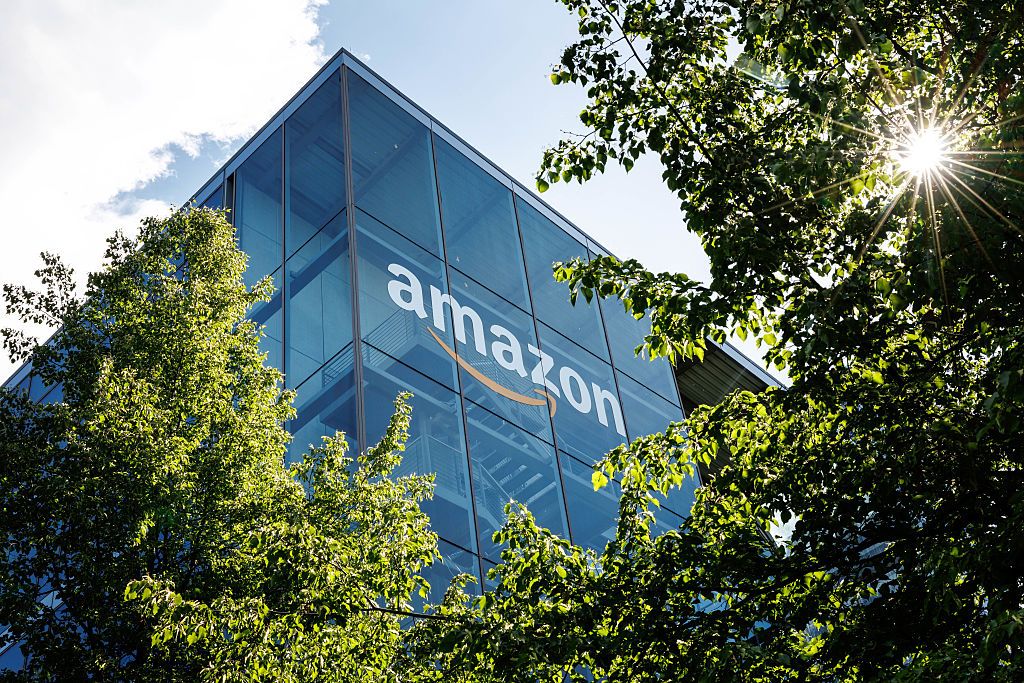
АНУ-ын Холбооны худалдааны комисс (FTC) болон 22 муж улс Amazon компанийг зар сурталчилгааны дуудлага худалдааны системдээ хууль бус өөрчлөлт оруулж, бизнес эрхлэгчдээс илүү төлбөр авдаг байсан хэмээн буруутгаж байна.
Даваа гарагт гаргасан нэхэмжлэлд дурдсанаар, Amazon сүүлийн долоон жилийн турш зар сурталчилгааны үнийг нууцаар өсгөж, улмаар нэг сая гаруй брэнд, худалдаачдад хохирол учруулсан байж болзошгүй гэжээ. Тус компани нь өөрийн “Sponsored Products”, “Sponsored Brands” болон хайлтын үр дүнгийн хажууд гардаг “Display” зар сурталчилгааны системдээ “хоёр дахь үнийн” дуудлага худалдааны зарчмыг баримталдаг гэж 500 мянга гаруй жижиг, дунд бизнес эрхлэгчдэд мэдэгдэж байсан юм. Энэхүү зарчмын дагуу ялагч нь дараагийн өндөр үнийн саналаас ердөө нэг центээр илүү төлөх ёстой байжээ.
Гэвч FTC-ийн мэдээлснээр, Amazon 2019 оноос эхлэн сурталчилгаа эрхлэгчдэд мэдэгдэлгүйгээр системдээ “зөөлөн нөөц үнэ” гэх нууц нэмэлт төлбөр оруулсан байна. Үүний тулд дотоод баримт бичигт “зохиомол оролцогч” хэмээн нэрлэсэн хуурамч санал ашиглаж, үнийг зах зээлийн бодит өрсөлдөөнөөс өндөр түвшинд хүргэжээ. Энэхүү үйлдлийн улмаас сурталчилгаа эрхлэгчид өөрсдийн санал болгосон дээд үнийг 80 орчим хувьд нь төлөхөд хүрсэн нь уг системийг үр дүнтэйгээр “эхний үнийн” дуудлага худалдаа болгон өөрчилсөн гэж үзэж байна.
Amazon компани өнгөрсөн онд зар сурталчилгаанаас 68 тэрбум гаруй ам.долларын орлого олсон. FTC-ийн уг нэхэмжлэлийг Amazon компани “буруу ташаа” хэмээн няцааж, зар сурталчилгааны систем нь зах зээлийн олон тэрбум санал дээр үндэслэн ажилладаг тул үнэ нь байгалийн жамаар өөрчлөгддөг гэж мэдэгджээ.
Дэлгэрэнгүйг эх сурвалжаас харах
↓Эх сурвалжийг нээх ↓
Amazon is facing a new lawsuit from the Federal Trade Commission (FTC) and 22 states, which accuse the company of secretly charging businesses more for advertising on its platform.
The lawsuit, filed Monday, claims Amazon spent more than seven years quietly increasing the prices advertisers paid through its online ad auctions. According to the complaint, the alleged practice affected more than one million brands and sellers and may have generated tens of billions of dollars in additional revenue for Amazon.
The 22 states joining the FTC are Alaska, Arizona, California, Colorado, Florida, Idaho, Illinois, Indiana, Iowa, Kentucky, Louisiana, Maryland, Nebraska, New Jersey, New York, North Carolina, Oklahoma, Pennsylvania, Rhode Island, South Carolina, Vermont, and Washington.
The lawsuit centers on Amazon’s Sponsored Products ads, Sponsored Brands ads, and Display ads that run alongside its search results. According to the FTC, Amazon told more than 500,000 small and medium-sized businesses that it ran a “second-price” auction where the winning advertiser would pay just one cent more than the next-highest bid, rather than the full amount of their own bid. Because businesses believed they’d only ever pay slightly more than the runner-up, they had an incentive to bid high, trusting the system would keep their actual costs in check.
But the FTC alleges that starting in 2019, Amazon made a “surreptitious” change without telling advertisers. It added a hidden surcharge that Amazon internally called a “soft reserve price,” and used what one internal document called an “invented auction participant” — a fake bidder, basically — to push prices higher than true competition would have produced. The complaint alleges this amounted to a shill bid: rather than the price coming from a real competing advertiser, Amazon itself was manufacturing a higher number for advertisers to beat. As a result, the FTC claims Amazon charged Sponsored Products advertisers their own full winning bid close to 80% of the time — effectively turning what was marketed as a second-price auction into a first-price one.
The FTC claims Amazon made this change because it wanted more advertising revenue, and kept it hidden because disclosing it could have led advertisers to lower their bids, which would have cut into that revenue.
The company generated more than $68 billion in advertising revenue last year.
In a blog post, Amazon described the FTC’s lawsuit as “misguided,” arguing that the complaint “fundamentally misunderstands how advertisers operate.”
The company added that its auctions evaluate billions of bids across different placements and formats, so prices naturally vary, and advertisers are “properly” informed about the pricing system.
When you purchase through links in our articles, we may earn a small commission. This doesn’t affect our editorial independence.

