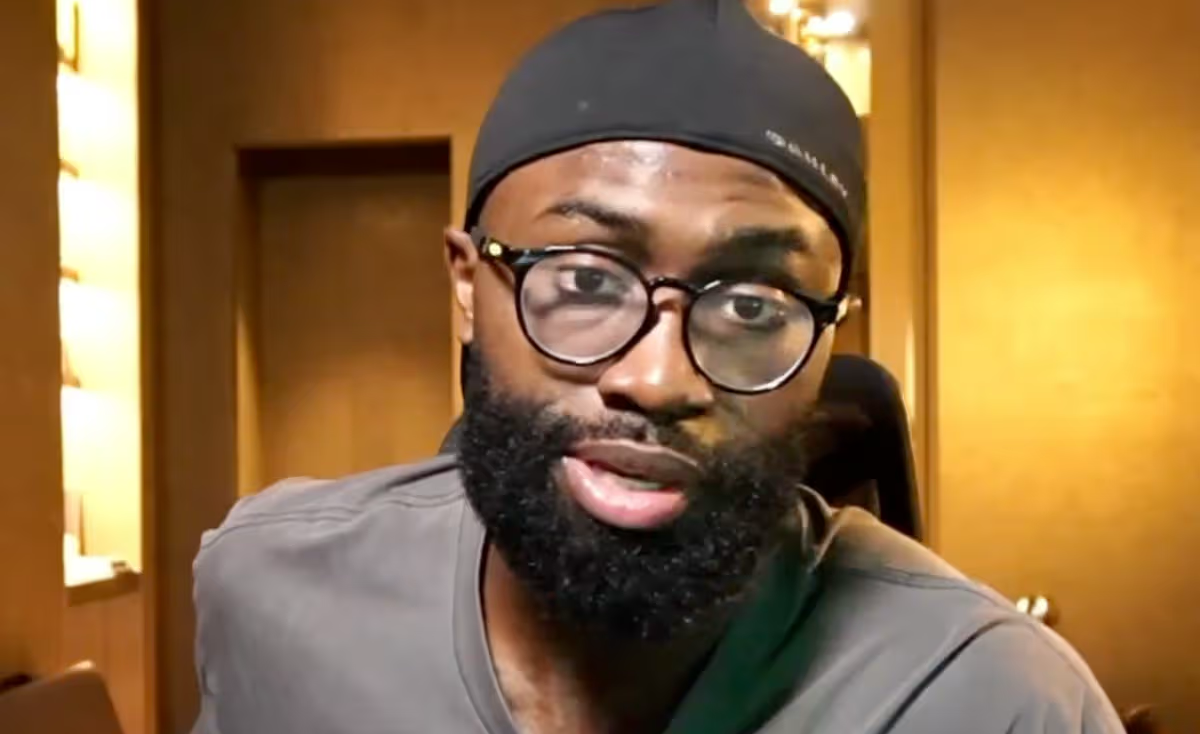
Филадельфиа Севенти Сиксерс багийн од Жэйлен Браун мэргэжлийн тамирчдыг өөрсдийн гарал үүсэл, нийгэмлэгтэйгээ холбоотой байхаас нь хөндийрүүлдэг тогтолцоог шүүмжиллээ.
Брауны үзэж байгаагаар, тамирчдыг төлөөлөн ажилладаг хүмүүс тэднийг өсөж хүмүүжсэн орчин болон тусламж хэрэгтэй байгаа хүмүүсээс нь холдуулахыг эрмэлздэг байна. Тэрээр тамирчид карьерынхаа оргилд хүрэх тусам нийгэмлэгээсээ улам бүр тусгаарлагдах хандлагатай байдаг гэв.
Тамирчдын эргэн тойронд ажилладаг агентууд, зөвлөхүүд болон бизнесийн менежерүүд нь тэдний нэр хүнд, арилжааны боломжийг хамгаалах үүрэгтэй байдаг ч энэхүү хамгаалалт нь хэтэрч, улмаар тамирчин болон тэдний гарал үүсэл хооронд хана босгодог гэж Браун тайлбарлажээ. Мөн тэрээр нийгмийн асуудлаар байр сууриа илэрхийлж, өөрийн нийгэмлэгээ дэмжиж байгааг нь “ухаалаг” эсвэл “өвөрмөц” гэж тодотгох нь тааламжгүй хандлага гэдгийг онцлов.
Браун тамирчид мэргэжлийн спортын амжилт болон өөрийн гарал үүсэл хоёрын хооронд сонголт хийх ёсгүй гэж үзэж байна. Түүний хувьд алдар нэр, хөрөнгө чинээ нь эргээд өөрийн нийгэмлэгтээ туслах илүү их боломжийг бүрдүүлэх ёстой гэсэн байр суурьтай байна.
Дэлгэрэнгүй эх сурвалжийг харах
Эх сурвалжийг нээх ↓
Jaylen Brown has long positioned community work as part of his identity beyond basketball. Now, the 76ers star is criticizing what he sees as a broader culture around professional athletes that can discourage that kind of involvement.
Brown said people representing players often push them away from direct engagement with the communities that shaped them, arguing that athletes are sometimes encouraged to become more distant once they reach the highest levels of professional sports.
“The people that are representing most players are steering them away from being in their community, steering them away from helping the people in the situation they came from. They said I had a disease, calling me the smartest person in the room just for uplifting my community.”
Jaylen Brown exposing the behind-the-scenes realities of the NBA. He says most players have handlers who won’t let them invest in their communities, and help build the next Black Wall Street. Once you start doing that, he says, they begin attacking you media personalities like… pic.twitter.com/QD5s9bVj4R
— NBA Hoops (@Thechat101) August 31, 2026
The comment reflects a frustration Brown has expressed repeatedly throughout his career: that athletes can be treated as brands first and members of communities second.
Brown has built much of his off-court work around education, economic opportunity and access. During his years in Boston, he frequently spoke about inequality and the importance of investing in underserved neighborhoods rather than limiting his role to basketball or traditional celebrity philanthropy.
His latest remarks suggest that approach has not always been encouraged behind the scenes.
Brown frames the issue not simply as individual indifference, but as something that can be reinforced by the people surrounding successful athletes. Agents, advisers, business managers and other representatives are often tasked with protecting careers, reputations and commercial opportunities. Brown’s argument is that such protection can sometimes become overprotection, creating distance between players and the people they once lived alongside.
He also pushed back against the way intelligence and activism can be framed around athletes.
By referencing people who called him “the smartest person in the room,” Brown appeared to reject what he sees as a patronizing response to his willingness to speak publicly about larger social and economic issues. For him, helping people in his community should not be treated as unusual behavior or evidence that he is somehow different from other players.
The point is broader than any single charitable project. Brown believes athletes should not have to choose between professional success and remaining connected to where they came from. In his view, wealth and status should create more opportunities to help, not more reasons to disappear.
The post Jaylen Brown Says Players Are Often Steered Away From The Communities They Came From appeared first on OpenCourt Basketball.

