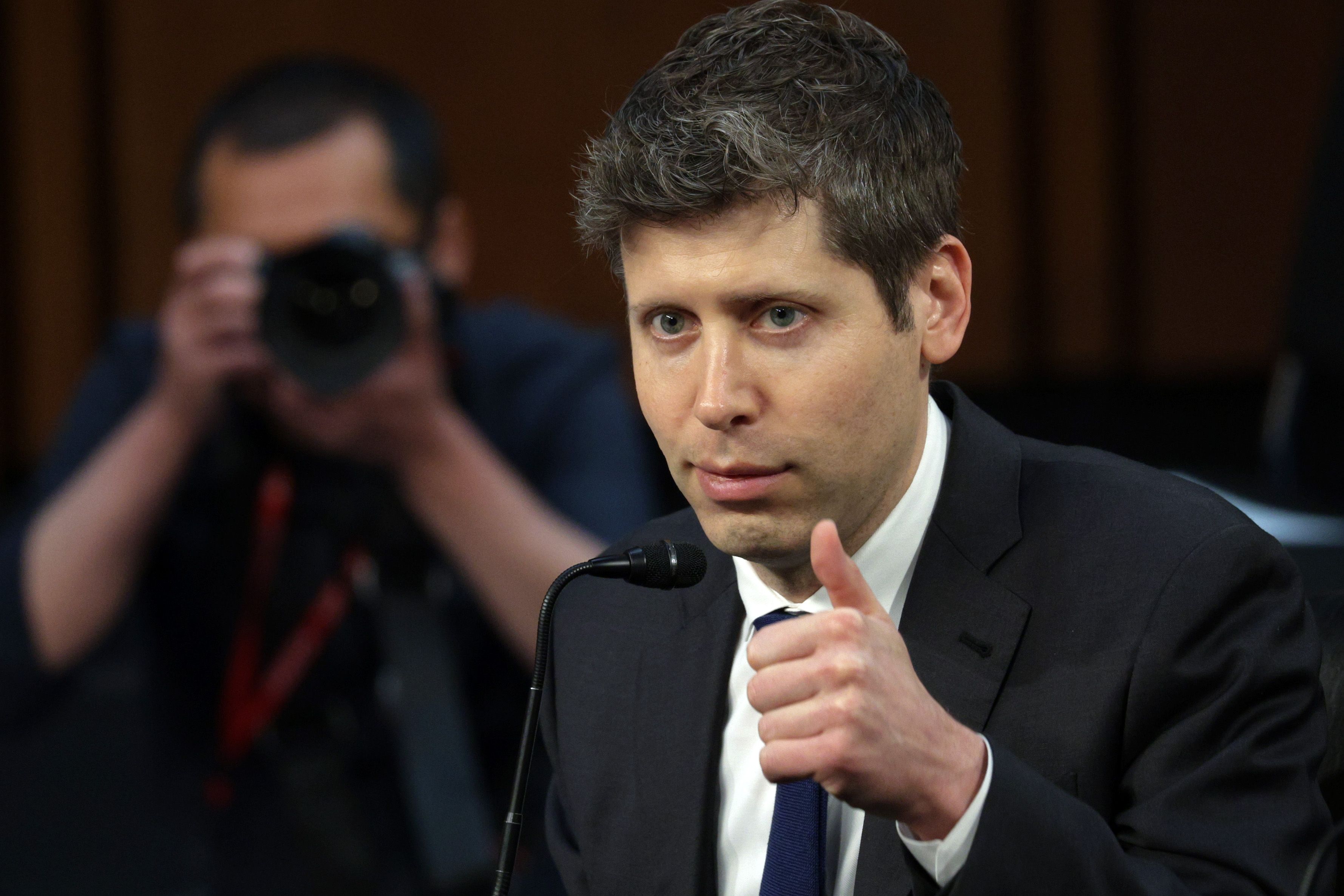
АНУ-ын засгийн газар хиймэл оюун ухааныг сургах нь “шударга ашиглалт” гэж үзэн, тус салбарын дэлхийд тэргүүлэх байр суурийг хамгаалах байр суурийг илэрхийлэв.
АНУ-ын холбооны засгийн газар мягмар гарагт шүүхэд албан бичиг ирүүлж, The New York Times сонины OpenAI болон Microsoft компаниудын эсрэг үүсгэсэн зохиогчийн эрхийн маргаанд OpenAI-ийг дэмжиж буйгаа илэрхийлжээ. Засгийн газрын зүгээс хиймэл оюун ухааны загваруудыг (LLM) зохиогчийн эрхтэй бүтээлээр сургах нь “шударга ашиглалт” (fair use) гэж үзэж байгаа бөгөөд үүнийг хязгаарлах нь Америкийн эдийн засаг, технологийн хөгжилд сөргөөр нөлөөлнө гэж мэдэгдсэн байна.
Албан бичигт дурдсанаар, хиймэл оюун ухааны загварууд нь анхны эх сурвалжийг утга төгөлдөр өөрчилдөг тул үүнийг “онцгой трансформатив” үйл явц гэж үзэх ёстой аж. Мөн хиймэл оюун ухааныг сургах үйл явцыг хүний бичих дадлага хийхтэй адилтгаж, үүнийг хууль бус гэж үзэх нь зохиогчийн эрхийн хууль тогтоомжид сөрөг үр дагавар авчирна гэж засгийн газрын хуульчид тайлбарлажээ.
Энэхүү алхам нь хиймэл оюун ухааны салбарт өрнөж буй зохиогчийн эрхийн олон арван маргаанд чухал нөлөө үзүүлэх төлөвтэй байна. Шүүх энэ байр суурийг заавал дагах үүрэггүй ч Хууль зүйн яамнаас ирүүлсэн санал нь шүүгчийн шийдвэрт жинтэй нөлөө үзүүлдэг болохыг мэргэжилтнүүд онцолж байна.
The New York Times сонин засгийн газрын энэхүү байр суурийг эсэргүүцэж, хиймэл оюун ухааны компаниуд бүтээгчдийн хөдөлмөрийг шударгаар төлөх ёстой гэдгийг мэдэгдсэн юм. Зохиолчдын эвлэл (Author’s Guild) мөн засгийн газрын энэ шийдвэрийг “шударга ашиглалтын зарчмыг буруу ойлгосон” хэмээн шүүмжилж, гүнээ сэтгэл дундуур байгаагаа илэрхийлжээ.
Дэлгэрэнгүйг эх сурвалжаас харах
↓Эх сурвалжийг нээх ↓
The Trump Administration just took OpenAI’s side in the artificial intelligence company’s legal battle with the New York Times.
The media juggernaut sued OpenAI and Microsoft in 2023, alleging that the companies had violated copyright law by training their AI tools on its articles without permission. Now, the government has stepped in, arguing that OpenAI’s actions were within bounds.
On Tuesday, the federal government submitted a letter to the court stating that the United States has a “strong interest” in whether AI training on copyright works is considered “fair use,” because it connects to whether the country’s AI industry can “retain global leadership in artificial intelligence.” (The “fair use” rule shields certain uses of copyrighted materials.)
The letter argued that the Times’ definition of fair use is “inconsistent” with current copyright law, and that a win for the paper could have disastrous consequences. “Constraining LLM development under a misunderstanding of fair use doctrine would thwart such creative and scientific progress while hindering American prosperity and economic mobility,” lawyers for the government wrote.
While the letter focuses on the New York Times and OpenAI, the government noted that its arguments apply to all of the parties in this case and related cases, including other publishers and authors.
Training LLMs on copyrighted works is considered “extraordinarily transformative,” meaning that these systems meaningfully change their inputs, the administration argued. The administration also wrote that OpenAI’s LLMs do not significantly compete with The New York Times’ articles. Courts consider both of these conditions, as well as others, when deciding if the fair use doctrine is met.
Conflating AI training with what artificial intelligence tools produce would lead to “problematic implications for copyright law generally” by implying that it would be similarly illegal for human writers to practice their craft by training on the words of others, per the letter. (The lawyers compared it to how a teenage Joan Didion typed out Ernest Hemingway’s stories to figure out how to write.)
Evan Brown, an intellectual property lawyer with the firm Neal & McDevitt, tells WIRED that the US district judge overseeing this case, Sidney H. Stein, is not obliged to let this letter influence his ultimate decision. However, Brown says that Stein and other judges overseeing cases like this will almost certainly “take it quite seriously because it comes from the Department of Justice, and inherently carries a lot of weight.”
Pamela Samuelson, a copyright lawyer who codirects the Berkeley Center For Law & Technology, tells WIRED that the government’s brief is a “significant development,” and one which is consistent with AI copyright rulings thus far.
“The Administration is siding with a handful of trillion-dollar AI companies at the expense of the countless American creators whose work they stole,” New York Times spokesperson Graham James tells WIRED. “Both AI and creators can thrive–AI companies simply need to pay fairly for the content that makes their products possible, as copyright law requires.”
OpenAI and Microsoft did not immediately respond to WIRED’s request for comment.
Other plaintiffs are unhappy at the government’s incursion. Mary Rasenberger, the chief executive of the Author’s Guild—which filed its own lawsuit against OpenAI in 2023—tells WIRED that the nonprofit is “extremely disappointed” about the letter, which she calls ”replete with faulty arguments and a gross misunderstanding of the fair use doctrine and copyright law.”
There are dozens of ongoing, high-profile lawsuits over the legality of AI companies training their tools on copyrighted work. The two biggest decisions so far took place last year. Meta technically won its copyright case, Kadrey v. Meta, although the judge noted that the plaintiffs did not produce enough evidence that the training caused them harm while stressing that in other circumstances, training on copyrighted materials without permission might indeed be illegal.

