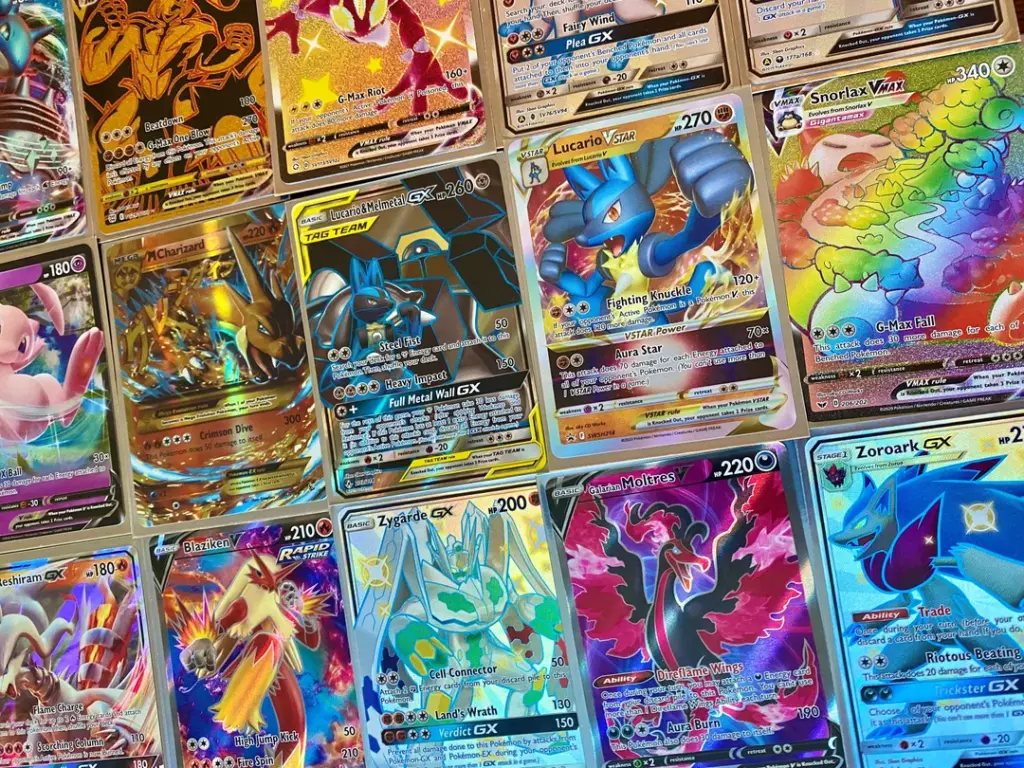
Хобби төдий байсан хөзрийн цуглуулга өдгөө үнэ цэнэтэй хөрөнгө оруулалтын хэрэгсэл болж, үнийн дээд амжилтуудыг тогтоосоор байна.
Хөзрийн зах зээл нь зүгээр нэг сонирхол биш, харин хөрөнгийн биржтэй дүйцэхүйц том эргэлттэй салбар болон хувирчээ. Тухайлбал, “Pikachu Illustrator” хөзөр 16.5 сая ам.доллараар зарагдсан нь энэ төрлийн цуглуулга зүгээр нэг тоглоом байхаа больсныг харуулж байна. Мэргэжлийн үнэлгээний компаниуд болон дуудлага худалдааны төвүүдэд ирж буй хүсэлтийн тоо түүхэн дээд хэмжээнд хүрсэн бол зарим тохиолдолд хөзрийн хайрцагны хулгай хүртэл гарах болжээ.
Хөзрийн багц нээх үйл явц нь яг л казиногийн тоглоомтой ижил донтуулах шинжтэй бөгөөд хүмүүс ховор хөзөр олохын тулд ихээхэн хөрөнгө зарцуулж байна. Хөзрийн үнэ цэнийг тодорхойлохдоо ховор байдал, хадгалалтын чанар (PSA зэрэг компанийн үнэлгээ), болон түүхэн нэр хүнд гэсэн гурван хүчин зүйлийг голчлон авч үздэг. Ялангуяа савласан чигээрээ хадгалагдсан хуучны багцууд болон тэмцээнээс шалгарч авсан цөөн тооны хөзрүүд зах зээл дээр хамгийн өндөр үнэлэгддэг.
Энэхүү салбарт үүсээд буй хэт өсөлт нь урьд өмнө тохиолдож байсан эдийн засгийн хөөсрөлтүүдтэй төстэй байгааг мэргэжилтнүүд анхааруулж байна. Зах зээл дээрх хэт их хөөсрөл, дамлагчдын нөлөөлөл нь цуглуулагчдын таашаалыг түгшүүртэй байдал руу шилжүүлж байна. Эцсийн дүндээ энэ салбар нь бодит үнэ цэнээс илүүтэй хэт их хүлээлт дээр тогтож байгаа тул хэзээ нэгэн цагт энэхүү хөөс хагарах эрсдэлтэй хэмээн үзэж байна.
Дэлгэрэнгүйг эх сурвалжаас харах
↓Эх сурвалжийг нээх ↓
Forget high-yield savings accounts or mutual funds. A surprising number of young adults have decided that the absolute smartest place to park their hard-earned cash is inside a plastic binder full of colorful cardboard pocket monsters.
The trading card market has blown past nostalgic hobby territory and transformed into a full-on secondary stock exchange. Card grading companies are seeing record-breaking submission volumes, auction houses are setting wild new price records, and police departments across multiple states are treating target runs for sealed booster boxes like high-stakes bank heists.
When a single shiny Pikachu card sells for nearly $16.5 million at an auction, it becomes pretty hard to convince anyone that this is harmless playground fun.
The Thrill of the Booster Pack Scratch-Off
Opening a modern pack of cards scratches the exact same itch as pulling the handle on a slot machine at two in the morning. You hand over a few bucks, tear open a metallic foil wrapper, and pray to the random number generator that you pull an ultra-rare illustration card instead of another useless piece of cardboard.
International cross-border shopping apps are seeing massive surges in transaction volume, specifically for overseas booster boxes. People are literally importing shiny paper from halfway around the world just to experience the dopamine hit of a rip. The line between casual collecting and blind luck financial speculation has faded away entirely.
Every booster box is basically a bundle of micro-gambles disguised as dueling monsters. And honestly, I think it’s a bad idea.
The Secret Math of Shiny Card Values
Ever wonder why a piece of cardboard from 1999 sells for the price of a modest beach house, while the exact same-looking card from a box you bought yesterday is worth fifty cents? The market relies on a very specific trinity: extreme scarcity, ridiculous condition, and historical hype.
Card Value Formula = (Original Rarity) × (Preservation Grade) × (Nostalgia Trapping)The difference between a “neat card” and an “investment vehicle” usually comes down to three major factors:
- Professional Grading: Sending a card to companies like PSA or Beckett inside a plastic tomb is the golden ticket. A human inspector looks at it under a magnifying glass, evaluates the centering, corners, and surface, and assigns a grade from 1 to 10. A Gem Mint PSA 10 copy of a card can easily sell for 10 to 50 times more than the exact same card rated PSA 8
- Sealed Product: Pulling a rare card is great, but keeping the booster box completely shrink-wrapped for twenty years is where the real madness lives. Sealed vintage boxes are basically schrödinger’s fortune—they retain value because they represent the possibility of pulling a perfect card, plus nobody can print any more of them
- Absurd Historical Provenance: The cards reaching life-changing money usually were never available in grocery store packs to begin with. They were awarded as tournament prizes, handed out in Japanese illustration contests, or printed in tiny quantities before the game even blew up globally
| The Card | Why It’s Worth Anything | Famous Sale Price |
| Pikachu Illustrator (1998) | Given only to Japanese art contest winners. Roughly 40 exist, and only one sits in a flawless PSA 10 grade. | $16.49 Million (Sold at Goldin Auctions) |
| 1st Edition Base Set Charizard (1999) | The ultimate playground holy grail. Must be 1st edition, holographic, and shadowless to command top dollar. | ~$950,000 (PSA 10) |
| Trophy / Winner Promos | Handed out to top finishers at original Japanese tournaments (like the No. 1, 2, and 3 Trainer cards). | $150,000 – $1.7 Million+ depending on placement |
Riding the Bubble Before the Pop
Every generation stumbles onto its own version of a speculative frenzy. Older folks had vintage comic books, comic book shops suffered through the sports card crash of the 90s, and a previous era tried to convince us that tiny beanbag animals were going to pay for college tuition.
Right now, the secondary market is enjoying a golden period where everyone buying in feels like an absolute genius trader. The problem with turning a hobby into a high-stakes asset market is that the fun gets replaced by anxiety pretty quickly.
When an entire ecosystem relies on constant hype, price gouging, and scalpers buying up whole store shelves before kids can even see them, the game stops feeling like play and starts feeling like a day job.
As someone in the Pokémon community, I can tell you this bubble will burst eventually. And all those cards will be worth nothing.

