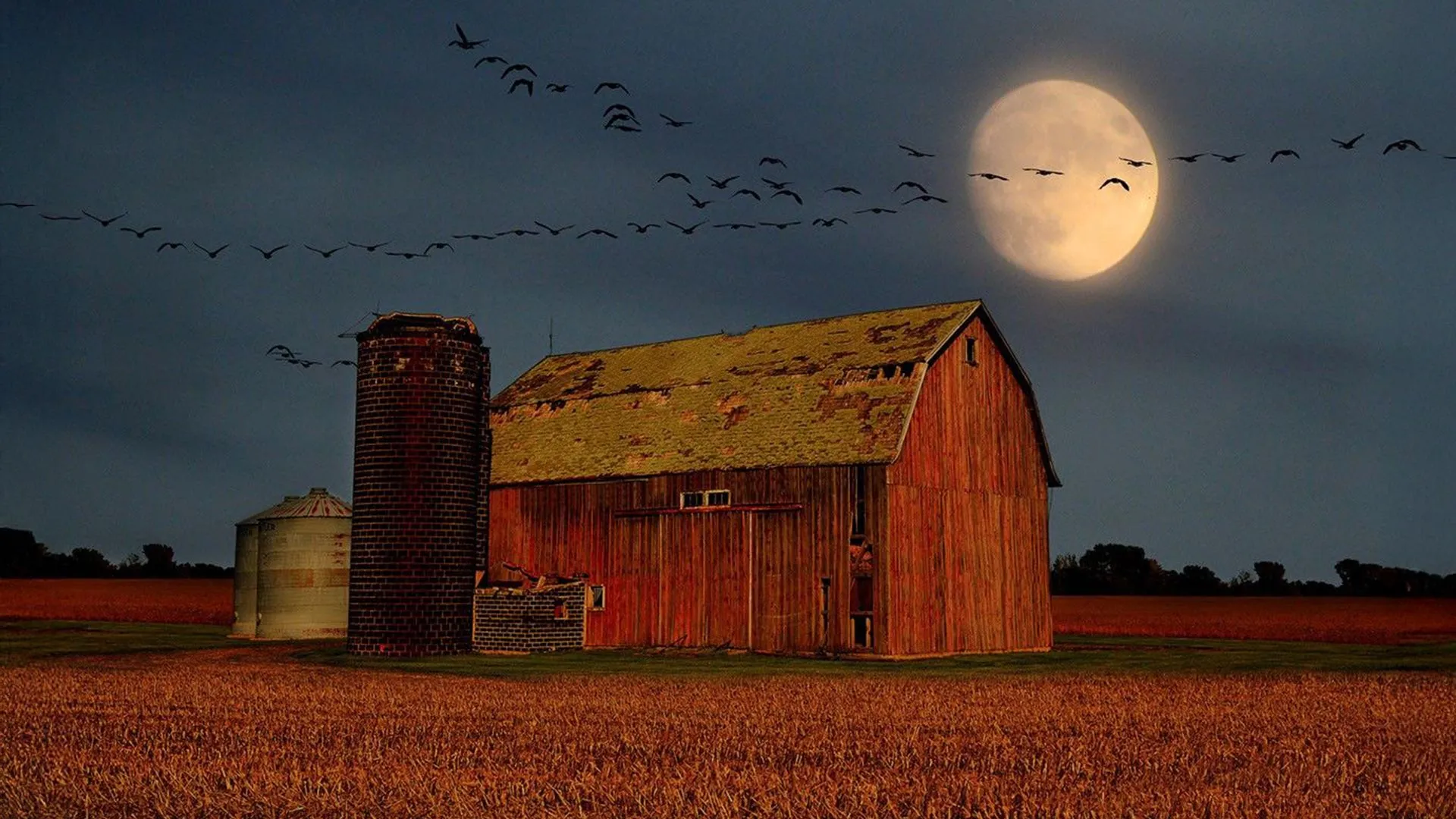
Энэ сард одон орон сонирхогчид Сугар гарагийн тод үзэгдэл, Санчир болон Далайн ван гарагтай зэрэгцэх ургацын тэргэл сар, мөн улирлын солигдох үйл явцыг ажиглах боломжтой.
Есдүгээр сарын 14-нөөс 20-ны хооронд Сарны байрлалыг ажигласнаар Хилэн ордны зүрх болсон Антарес од болон Нум ордны “Данх” хэмээх одны дүрслэлийг олоход хялбар байна. Харанхуй орчинд ажиглалт хийх үед Данхны цоргоноос уур мэт мананцар цухуйх бөгөөд энэ нь манай Сүүн зам галактикийн төв хэсгийг чиглүүлдэг. Есдүгээр сарын 18-нд Сугар гараг үдшийн тэнгэрт хамгийн тод гэрэлтэх тул баруун зүгийн тэнгэрт ямар ч одноос илүү гэрэлтэйгээр ажиглагдана.
Есдүгээр сарын 19-нд “Олон улсын Сар ажиглах өдөр” тохиож байгаа бөгөөд дэлхий даяар хүмүүсийг Сарны шинжлэх ухаан болон түүхэн соёлд үзүүлсэн нөлөөг судлахыг уриалж байна. Үүний дараа есдүгээр сарын 22-нд намрын тэнцэл тохиож, Хойд хагас бөмбөрцөгт намар, Өмнөд хагас бөмбөрцөгт хаврын улирал албан ёсоор эхэлнэ. Энэ өдөр Нар дэлхийн экваторын шугам дээр эгц тусах тул өдөр, шөнийн үргэлжлэх хугацаа дэлхийн ихэнх бүс нутагт ойролцоо тэнцүү байна.
Есдүгээр сарын 26-нд ургацын тэргэл сар Санчир гарагтай ойрхон мандах бөгөөд алс холын Далайн ван гараг тэдгээртэй гурвалжин үүсгэн харагдана. Санчир гарагийг энгийн нүдээр харах боломжтой боловч Далайн ван гараг нь маш бүдэг тул дуран эсвэл телескоп ашиглах шаардлагатай. Тэнгэр цэлмэг, харанхуй нөхцөлд эдгээр огторгуйн биетийг илүү тод ажиглах боломж нэмэгдэнэ.
Дэлгэрэнгүйг эх сурвалжаас харах
↓Эх сурвалжийг нээх ↓
September brings a busy lineup for skywatchers, including a dazzling Venus, a Harvest Moon near Saturn and Neptune, the seasonal equinox, and opportunities to use the Moon as a guide to some recognizable stars and Milky Way features.
September Skywatching Highlights
- Sept. 14-20: Follow the Moon to Antares and the Teapot; from dark locations, you may also glimpse the center of the Milky Way
- Sept 18: Venus reaches peak brightness during its current evening appearance
- Sept. 22: The September equinox marks the beginning of fall in the Northern Hemisphere and spring in the Southern Hemisphere
- Sept. 26: The Harvest Moon rises near Saturn and Neptune
September offers a little bit of everything in the evening sky. The Moon helps point the way to a celestial teapot, Venus becomes exceptionally bright, the seasons officially turn, and the Harvest Moon appears with two planetary companions.
[See Video Link After Article.]
Follow the Moon to Antares and Sagittarius
Between September 14 and 20, the Moon can serve as a useful guide to several notable sights in the night sky. About an hour after sunset, face south and locate the Moon.
Its position will change from one evening to the next as it moves against the more distant background stars. Along the way, it will pass close to Antares.
Antares is a bright reddish star that represents the heart of the constellation Scorpius.
Nearby in the constellation Sagittarius is another easy-to-recognize pattern of stars known as the Teapot. Its stars form a shape that resembles a teapot, including a handle, lid, and spout.
From a location with especially dark skies, you might also notice a faint, cloudy band that appears to rise like steam from the Teapot’s spout.
Trace that hazy glow toward its densest region, and you will be looking in the direction of the center of the Milky Way galaxy.
Venus Reaches Peak Brilliance
On September 18, turn toward the west to see Venus at peak brilliance during this evening appearance.
The planet should be easy to identify. Not long after sunset, Venus will appear as an intensely bright point of light low above the western horizon, shining more brightly than any star around it. An unobstructed view toward the horizon will make it easier to see before Venus disappears below it.
International Observe the Moon Night
September 19 is International Observe the Moon Night.
People around the globe are encouraged to spend time observing our nearest celestial neighbor while learning about lunar science, exploration, and the Moon’s influence on cultures throughout history. Find an event near you or learn how to participate from wherever you are at go.nasa.gov/ObserveTheMoon.
The September Equinox Changes the Seasons
On September 22, fall officially begins in the Northern Hemisphere, while spring starts in the Southern Hemisphere.
This date marks the September equinox, when the Sun is positioned directly above Earth’s equator and the lengths of day and night are close to equal across much of the planet.
After the equinox, daylight continues to decrease in the Northern Hemisphere while increasing in the Southern Hemisphere.
Harvest Moon Rises Near Saturn and Neptune
On September 26, the Harvest Moon becomes the main attraction, rising in the eastern sky shortly after sunset.
Saturn will appear nearby, while the much fainter Neptune forms a broad triangle with Saturn and the Moon.
Saturn is bright enough to see with the unaided eye. Neptune presents more of a challenge. At around magnitude 8, the distant planet is too dim to spot without optical assistance, so binoculars or a telescope will be needed. Dark skies and favorable observing conditions can improve your chances of finding it.
Here are the phases of the Moon for September.

