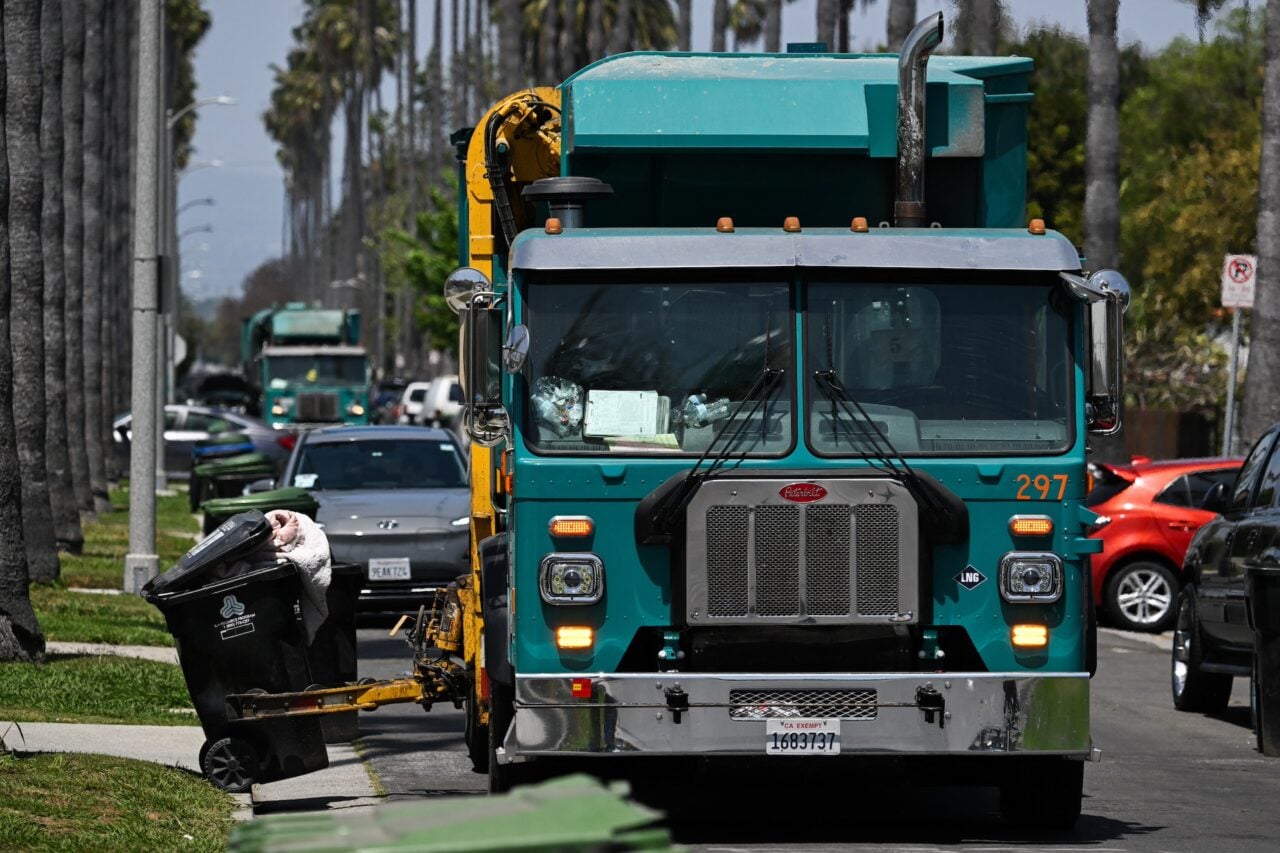
Хотын захиргаа оршин суугчдын эд хөрөнгийн эмх цэгц болон хог хаягдлыг автоматаар хянах зорилгоор хиймэл оюун ухааны технологи бүхий камеруудыг ашиглаж эхэллээ.
Даллас хотын хог ачигч машинуудад суурилуулсан “City Detect” компанийн хиймэл оюун ухаант камерууд дөрөвдүгээр сараас хойш 21,000 гаруй үл хөдлөх хөрөнгийг зурагжуулж, “эмх цэгцийн оноо” өгчээ. Машин харах технологийн тусламжтайгаар эдгээр камер нь гудамж талбайн бохирдол, эвдэрхий цонх, нурсан дээвэр зэрэг зөрчлийг автоматаар илрүүлдэг байна. Одоогоор хотын захиргаанаас бага оноо авсан оршин суугчдад орчноо цэвэрлэхийг анхааруулсан 1,800 орчим мэдэгдлийг хүргүүлжээ.
Хотын захиргаа 2.5 сая долларын өртөгтэй гурван жилийн гэрээг “City Detect” компанитай байгуулсан бөгөөд тус технологи нь хүний оролцоог багасгах зорилготой аж. Тус компани нь АНУ-ын 16 гаруй хоттой хамтран ажилладаг бөгөөд нийтийн эзэмшлийн талбайд зураг авч байгаа тул хувийн нууцлалын асуудал үүсэхгүй гэж мэдэгдсэн байна. Мөн хүний царай болон автомашины улсын дугаарыг автоматаар бүдгэрүүлж, хууль сахиулах байгууллагын мэдээллийн сантай холбогддоггүй гэж тайлбарлажээ.
Гэвч хиймэл оюун ухаанаар дамжуулан иргэдийг хянах үйл ажиллагаа нь АНУ-д хүчтэй эсэргүүцэлтэй тулгарч байна. Тухайлбал, Сенатор Жош Хоули “Flock Safety” компанийн хяналтын камеруудыг цагдаагийн байгууллага зүй бусаар ашиглаж байгаа эсэхийг шалгаж эхэлснээс хойш олон хот гэрээгээ цуцалжээ. Даллас хотын зөвлөлийн гишүүн Чад Уэст уг төсөл нь ядуу иргэдэд дарамт учруулж болзошгүй гэж үзэн санхүүжилтийг зогсоох санал гаргасан бөгөөд арванхоёрдугаар сард болох хэлэлцүүлгээр эцсийн шийдвэрийг гаргахаар товложээ.
Дэлгэрэнгүйг эх сурвалжаас харах
↓Эх сурвалжийг нээх ↓
If you’re a homeowner in Dallas who has let the trash can in your front yard spill over onto the sidewalk, or occasionally ignored your garden until it’s become overgrown with weeds, be warned: Your property might be photographed by an AI-powered camera fixed to one of the city’s roving garbage trucks and added to a bureaucratic shit list.
Since April, over 21,000 properties across Dallas, Texas, have been photographed by these cameras and assigned a “blight score”—essentially an official tidiness grade—according to a Wednesday report from the city’s local NBC affiliate. The zip codes with the highest number of civic code violations flagged by the cameras, according to the report, were concentrated in the city’s lower-income southern quadrant. Around 1,800 “courtesy notices” have already been issued by the municipal government to the owners of lower-scoring properties: a warning to clean up their act or start paying fees.
The program is reportedly funded through a three-year, $2.5 million city contract with City Detect, a technology company “on a mission to revolutionize the way local governments understand and interact with their built environment,” according to its website. “Leveraging cutting-edge technology, we provide detailed, up-to-date insights on housing [and] roadside conditions.” Its cameras, typically installed on the driver’s side of a city vehicle to afford the best view of the neighborhood, look a little like a helmet-mounted GoPro. Using machine vision, they’re trained to automatically capture cases of neighborhood “blight,” such as graffiti, collapsed roofs, broken windows, and other signs of dilapidation and potential criminal activity.
The company’s marketing appears to primarily target municipal governments with limited personnel and budgets. It echoes a sales pitch that many AI-powered surveillance companies have been making to police departments in recent years. In short: Let AI handle the busywork, so your staff can focus on more pressing tasks. In addition to its contract with the city of Dallas, City Detect also currently partners with at least sixteen other cities across the United States.
Privacy issues? Irrelevant, says City Detect: “Images are captured in public spaces where there is no expectation of privacy,” the company wrote in the FAQ section of its website. “Legally, there are no privacy concerns, similar to Google Street View or standard code enforcement practices.” City Detect also says on its website that its AI cameras blur human faces and license plates by default, that it doesn’t earn money on a per-citation basis, and that images captured by its cameras don’t get fed into any law enforcement databases.
Those promises notwithstanding, the company could very likely face strong opposition from an American population that’s increasingly wary of AI-powered surveillance, and with the growing capability of tech companies to covertly gather personal data. Flock Safety has been hit particularly hard by the backlash: Republican Senator Josh Hawley launched an investigation into that company last week, citing the many documented cases of police officers using its automated license plate readers to track people who were not suspected of being involved in a crime, including ex-wives and ex-girlfriends. Over 200 counties and cities across the U.S. cancelled their contracts with Flock since August 2021, according to data published last week by Secure Justice, an Oakland-based nonprofit focused on privacy law. Close to eighty percent of those (166) were made last month alone.
A Dallas city councilmember named Chad West proposed an amendment to the municipal government to cut funding for the City Detect partnership, which he said could end up as “a tax on the poor,” according to the NBC report. But West agreed to table his proposal until after a city council hearing to discuss the use of the AI-powered cameras scheduled for December.

