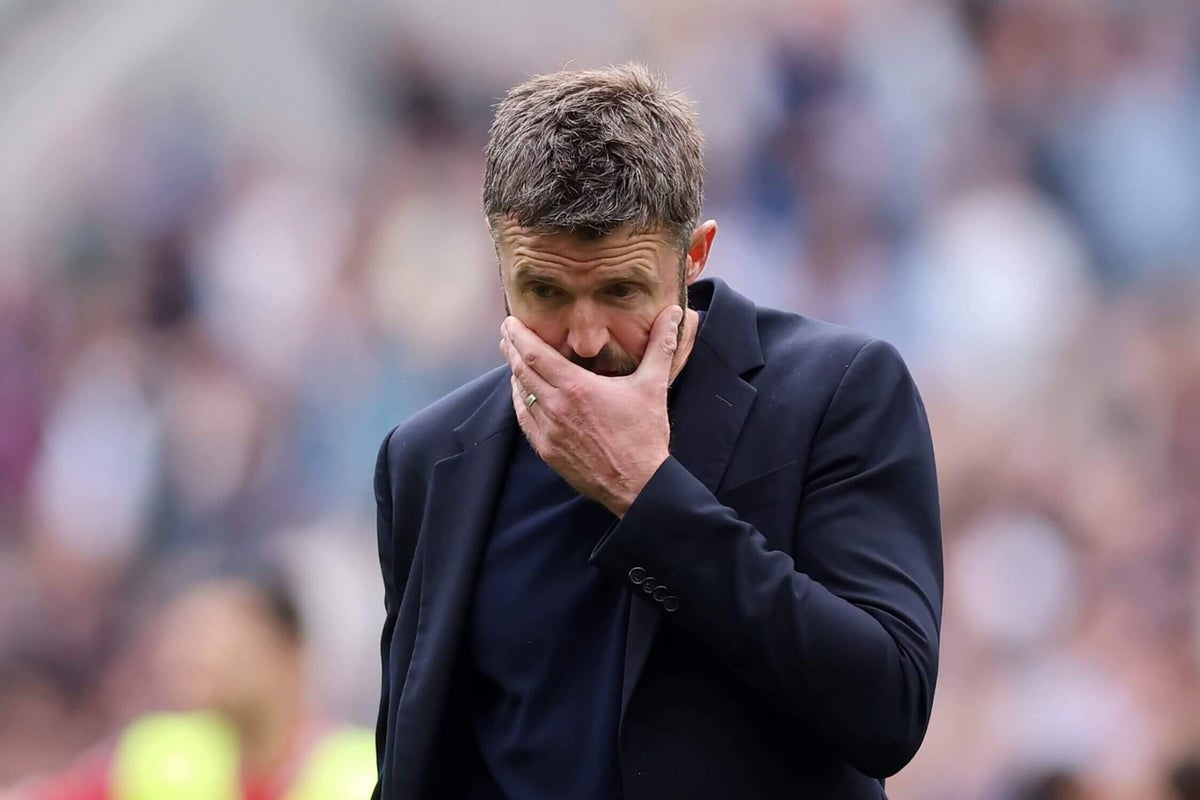
Айнсли Мэйтленд-Найлс тоглолтын 96 дахь минутад тэнцээний гоолыг оруулснаар Манчестер Юнайтед Эвертонтой хийсэн тоглолтод хожил байгуулж чадсангүй.
Хил Дикинсон цэнгэлдэх хүрээлэнд болсон тоглолтын 88 дахь минутад Бенжамин Шешко гоол оруулж Манчестер Юнайтед хожигдох эрсдэлээс мултарч, ялалтад ойртсон ч тоглолтын төгсгөлийн мөчүүдэд давуу байдлаа хадгалж чадсангүй. Брайан Мбеумогийн гоолоор тооны харьцааг нээсэн Манчестер Юнайтед хоёр удаа тэргүүлсэн ч Эвертоны хаалга руу чиглэсэн цохилтуудыг тогтоон барьж чадаагүй юм. Эвертоны довтлогч Тайрик Жорж 83 дахь минутад тооны харьцааг тэнцүүлж, улмаар сэлгээгээр орж ирсэн Айнсли Мэйтленд-Найлс нэмэлт цагт гоол оруулснаар тоглолт 2-2-ын харьцаатай өндөрлөв.
Манчестер Юнайтедын дасгалжуулагч Майкл Каррик тоглолтын дараах сэтгэгдлээ хуваалцахдаа багийнхаа үзүүлсэн тоглолтод сэтгэл дундуур байгаагаа илэрхийлж, тоглолтын чухал агшнуудад илүү анхааралтай байх ёстой байсныг онцоллоо. Эвертоны дасгалжуулагч Дэвид Мойес ч мөн адил өөрийн багийнхны тоглолтыг дүгнэхдээ Манчестер Юнайтед 2-1-ийн харьцаатай тэргүүлж байхдаа сөрөг довтолгооны боломжуудыг ашиглан тоглолтыг эрт шийдэх боломжтой байсныг дурдсан байна.
Манчестер Юнайтед энэ улирлын эхний гурван тоглолтынхоо бүрд тус бүр хоёр гоол алдсан нь хамгаалалтын асуудал үүсэж байгааг харуулж байна. Мөн довтолгооны шугамд илүү шийдэмгий байх, өрсөлдөгчийнхөө итгэлийг мохоох чадвар дутагдаж байгаа нь тэдний тоглолтын менежментэд сөргөөр нөлөөлж байна. Бэртлээс эргэн ирсэн Бенжамин Шешкогийн гүйцэтгэл болон Маркус Рэшфордын тоглолтод үзүүлсэн нөлөө нь багийн хувьд эерэг тал байсан ч нийт багийн хамтын ажиллагааг сайжруулах шаардлагатай байгааг энэ удаагийн тэнцээ дахин санууллаа.
Дэлгэрэнгүйг эх сурвалжаас харах
↓Эх сурвалжийг нээх ↓
What a difference eight minutes makes. In the 88th minute, there was pandemonium in the north-east corner of the Hill Dickinson Stadium as Manchester United’s travelling supporters and players basked in what ought to have been Benjamin Sesko’s last-gasp sucker-punch winner.
After the full-time whistle, the players traipsed over again to thank a much emptier away section as Everton’s fans celebrated Ainsley Maitland-Niles’ 96th-minute equaliser. “Bitterly disappointed,” was how United boss Michael Carrick described the mood.
Twice United led, and twice the three points escaped them. It was far from a perfect performance, but it was a match they could and should have won. Particularly in what could have quickly turned into a fraught atmosphere for Everton after a challenging week at the club, this was a missed opportunity to show killer instinct.
Yes, Everton’s two equalisers came from superb individual finishes — first from Tyrique George in the 83rd minute, cancelling out Bryan Mbeumo’s opening goal, and secondly from substitute and new signing Maitland-Niles’ thunderous effort from the edge of the box. But those opportunities to turn the game on its head should never have been afforded by United’s game management.
Everton manager David Moyes’ comments could have easily applied to United too: “We got back to one each, and I felt that if anybody was probably going to be the team who would be on top and win it, it would be us. I thought that we never really got the ball back, never really controlled the game for the minutes after that, which allowed them to get 2-1 up really.”
Bruno Fernandes shows his frustration after the late equaliser (Carl Recine/Getty Images)
His words could have been just as applicable to United after Sesko’s goal. An 88th-minute strike should be a winning goal. Instead, United failed to hold onto possession, could not properly clear their lines, and generally left just enough of a sense of unease to raise the volume inside the stadium. When five added minutes were initially read out, the roar of encouragement from Everton’s supporters was half-hearted. By the moments before Maitland-Niles lined up his strike, the volume had ratcheted back up, with Everton smelling blood.
That strike, and George’s goal that lashed past Senne Lammens at the near post, were excellent finishes, but the warning signs of an Everton comeback were there even before those moments. Lammens made three saves in the second half, some of which — such as a Kiernan Dewsbury-Hall effort around the hour mark — could have been the equaliser if struck more cleanly. United never looked entirely settled when defending set-pieces, already an emerging theme of the season.
Their defensive record so far, conceding two goals in each of the opening three games, is a concern. But urgency in attack was lacking too. After an uninspiring first half, it looked as though United had emerged for the second with the impetus needed: Mbeumo’s excellent drive in from the right flank and finish came only a minute after the restart and should have been the perfect platform from which to dominate.
Instead, they failed to replicate that incision.
Midway through the second half, as Everton trailed by one, the home fans’ frustration with their team was palpable as they sometimes failed to press aggressively or progress quickly — but United equally would have done well to show more urgency. At one point, after Lammens collected a Dewsbury-Hall shot from a corner to finish a wave of Everton attack, United’s players took their time to reposition to build out. The number of bodies Everton committed forward had left fertile ground for a counter had they been alert to the opportunity. A two-goal lead could easily have turned the atmosphere inside the stadium and sealed a result.
“Man United, when it was 2-1, could have nicked a third to make it 3-1 because they had a couple of counter-attack moments,” Moyes said post-match. “By this time we were a bit more open, trying to find an equaliser.”
Game management is not simply a matter of defending to see a narrow lead over the line. It does not start in the 80th minute. It should have started with a proactive approach to United’s 1-0 lead: to wear Everton down and keep them on the back foot. Instead, between United’s two goals, they did not have a shot on target. They only had one effort from inside the box. Everton, on the other hand, had nine shots between Mbeumo’s opener and George’s equaliser.
Against Hull City in their season opener, United’s early failure to put their opponents into a defensive state of mind and keep them there, instead allowing a chaotic game to unfold, played a part in the 2-0 defeat. They need to be able to quieten crowds and kill off hope — both by being calm at the back and ruthless in attack.

Manchester United have struggled to quieten crowds this season (Michael Regan/Getty Images)
Sesko’s return to full fitness should help with the latter; he had only six touches after being introduced in the 70th minute, but two of those were shots, and his goal, for which he also played a heavy part in the build-up, shows what he can add. Marcus Rashford’s withdrawal at the same time (Carrick said after the game the forward had felt some discomfort) after being a significant threat also did not help United’s attacking impetus.
“We haven’t started the season that bad, to be honest,” Carrick said in response to a question about whether expecting his team to continue their strong form from last season was too simplistic. “We were that close to coming away with three points today. That’s football; it’s little moments that we can deal with a bit better, but we’ll be fine.”
Carrick is right that moments ultimately cost his team two points against Everton. But if his team is to push on from last season, these are the type of games they need to kill.

