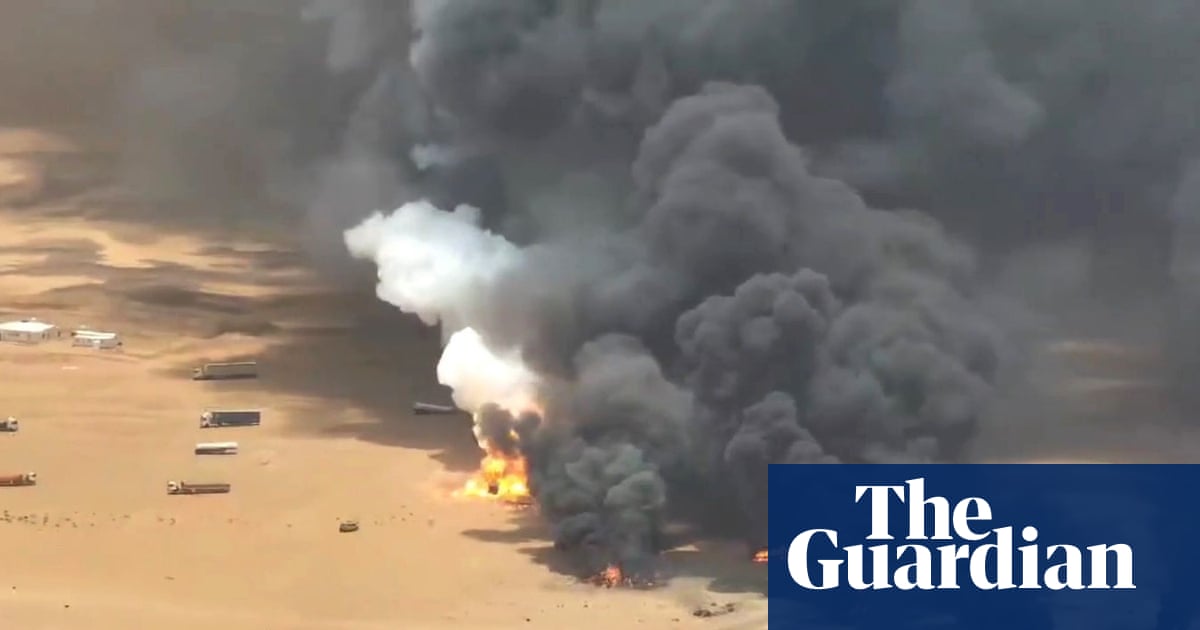
Иран улсын дэмжлэгтэй Йемений Хути босогчид Саудын Арабын дөрвөн хот руу нисгэгчгүй онгоц болон пуужингаар цохилт өгсний улмаас 70 гаруй хүн шархаджээ.
Шөнийн турш үргэлжилсэн энэхүү халдлагаар тус улсын өмнөд хэсэгт байрлах газрын тосны байгууламжууд, тэр дундаа Aramco компанийн Jizan дахь объект болон Abha, Najran, Khamis Mushait хотууд өртсөн байна. Саудын Арабын эрх баригчид халдлагад өртсөн иргэдийн дунд эмэгтэйчүүд, хүүхдүүд байгааг мэдээлсэн бөгөөд энэ нь сүүлийн үед тус улсын эсрэг чиглэсэн хамгийн томоохон цэргийн ажиллагаа боллоо. Саудын Арабын Гадаад хэргийн яамнаас өөрийн бүрэн эрхт байдлыг хамгаалахын тулд шаардлагатай бүх арга хэмжээг авна гэдгээ мэдэгдэж, халдлагыг нэн даруй зогсоохыг шаарджээ.
Ажиглагчдын үзэж буйгаар, Иран болон АНУ-ын хооронд үүссэн хурцадмал байдал нь бүс нутгийн нөхцөл байдлыг улам ээдрээтэй болгож байна. АНУ-ын зүгээс Ираны газрын тосны экспортыг хориглон, Ормузын хоолойгоор дамжин өнгөрөх тээврийг хянаж байгаа бол Тегеран үүний хариуд “далайн хязгаарлалтын бүс” тогтоохоо зарлаад байна. Сүүлийн өдрүүдэд АНУ-ын хөлөг онгоцнууд болон Ираны танкеруудын хооронд гал нээх ажиллагаа явагдсан нь дэлхийн зах зээл дэх газрын тосны үнийг 2 хувиар өсгөж, нэг баррель нь 99 ам.доллараас давлаа.
Йемений мөргөлдөөнд олон жил оролцсон Саудын Араб сүүлийн үед цэргийн ажиллагаагаа багасгахыг эрмэлзэж байсан ч Хути босогчдын энэхүү халдлага нь тус улсын удирдлагыг хүндхэн сонголтын өмнө тавьж байна. Хути босогчдын төлөөлөгч Яхья Сарее Саудын Арабын зүгээс Йемен рүү агаарын цохилт өгсөн нь мөргөлдөөнийг улам хурцатгасан хэмээн буруутгаж, хариу арга хэмжээ авахаа мэдэгдсэн юм. Олон улсын шинжээчдийн дүгнэлтээр, энэхүү нөхцөл байдал нь Ойрхи Дорнод дахь эрчим хүчний хангамжид сөргөөр нөлөөлж, мөргөлдөөнийг өргөжүүлэх эрсдэлтэй байна.
Дэлгэрэнгүйг эх сурвалжаас харах
↓Эх сурвалжийг нээх ↓
Yemen’s Iran-backed Houthis have attacked four cities in Saudi Arabia, wounding more than 70 people and setting oil installations ablaze in what appeared to be a significant expansion of the Middle East war.
Saudi Arabia said it would retaliate after the overnight strikes – reportedly involving dozens of drones and missiles – that targeted several oil facilities in the country’s south.
The country would “take all necessary measures to defend its sovereignty”, a foreign ministry statement said, demanding a halt to the Houthi strikes on Saudi territory and oil tankers in the Red Sea.
Maj Gen Turki al-Malki, a spokesperson for the Saudi-led coalition fighting in Yemen, said pro-government forces “will take all necessary operational measures to deter the terrorist Houthi militia with utmost resolve”.
The Houthis, who control most of Yemen’s populated areas including the capital, said they had launched a broad operation deep into Saudi territory using drones and missiles to strike an airbase in the southern city of Khamis Mushait, and targets belonging to Saudi Arabia’s state oil company in nearby Abha, Najran on the Yemeni border, and the Aramco facility at Jizan.
Jizan, which is home to one of Saudi Arabia’s biggest refineries, is close to the border with Yemen and was damaged in an attack weeks ago.
Saudi authorities said women and children were among the 73 people hurt. The large numbers of people reportedly wounded suggested the attacks were among the biggest carried out against Saudi Arabia since the US and Israel began their war against Iran in February.
While the Houthis and Saudi Arabia have been entangled in a long running conflict in Yemen, the US-Israel war against Iran has added a dangerous new regional dimension.
After a month of relative calm in August, Iran and the US have resumed exchanges of fire, sending global oil prices back up to levels last seen in July. Brent crude prices were up more than 2% on Tuesday, above $99 a barrel.
Houthi attacks on south-western Saudi Arabia have the potential to worsen the war’s global economic impact by disrupting Middle East energy supplies beyond the blockaded strait of Hormuz.
Saudi Arabia has led an Arab coalition battling against the Houthis in Yemen for more than a decade. That war had calmed in recent years, but a ceasefire has broken down, with the Houthis threatening shipping at the mouth of the Red Sea.
The Houthi spokesperson Yahya Saree accused Riyadh of having escalated the war by launching air strikes on Yemen, and said the Houthis would respond.
Washington is trying to increase the flow of oil to world markets by guiding ships through the strait of Hormuz at the mouth of the Gulf, while cutting off Iran’s exports with a blockade just beyond it.
Tehran has announced new measures to seal off the strait, saying it will soon reveal details of a “maritime exclusion zone” that will extend from the perimeter of the US blockade through the strait and into the Gulf itself.
Washington fired at Iranian tankers over the weekend in retaliation for Iranian fire at US warships. Iran said it had used new, more capable ballistic missiles to attack American ships.
Mohsen Rezaei, the secretary of Iran’s Supreme National Security Council wrote on X: “In recent days, Washington has received a clear warning from Iran’s new missiles. Economic warfare will be met by a maritime exclusion zone across the Persian Gulf to the blockade perimeter. The operational posture toward US warships and bases has been fundamentally recalibrated.”
Andreas Krieg, a Gulf expert at King’s College London, said the Houthi attacks create an “extremely uncomfortable dilemma” for Mohammed bin Salman, the de facto Saudi ruler.
After four years of trying to withdraw from the Yemen conflict, “restraint now carries the risk of allowing the Houthis to dictate the spiral of escalation”, Krieg said.
AFP and Reuters contributed to this report

