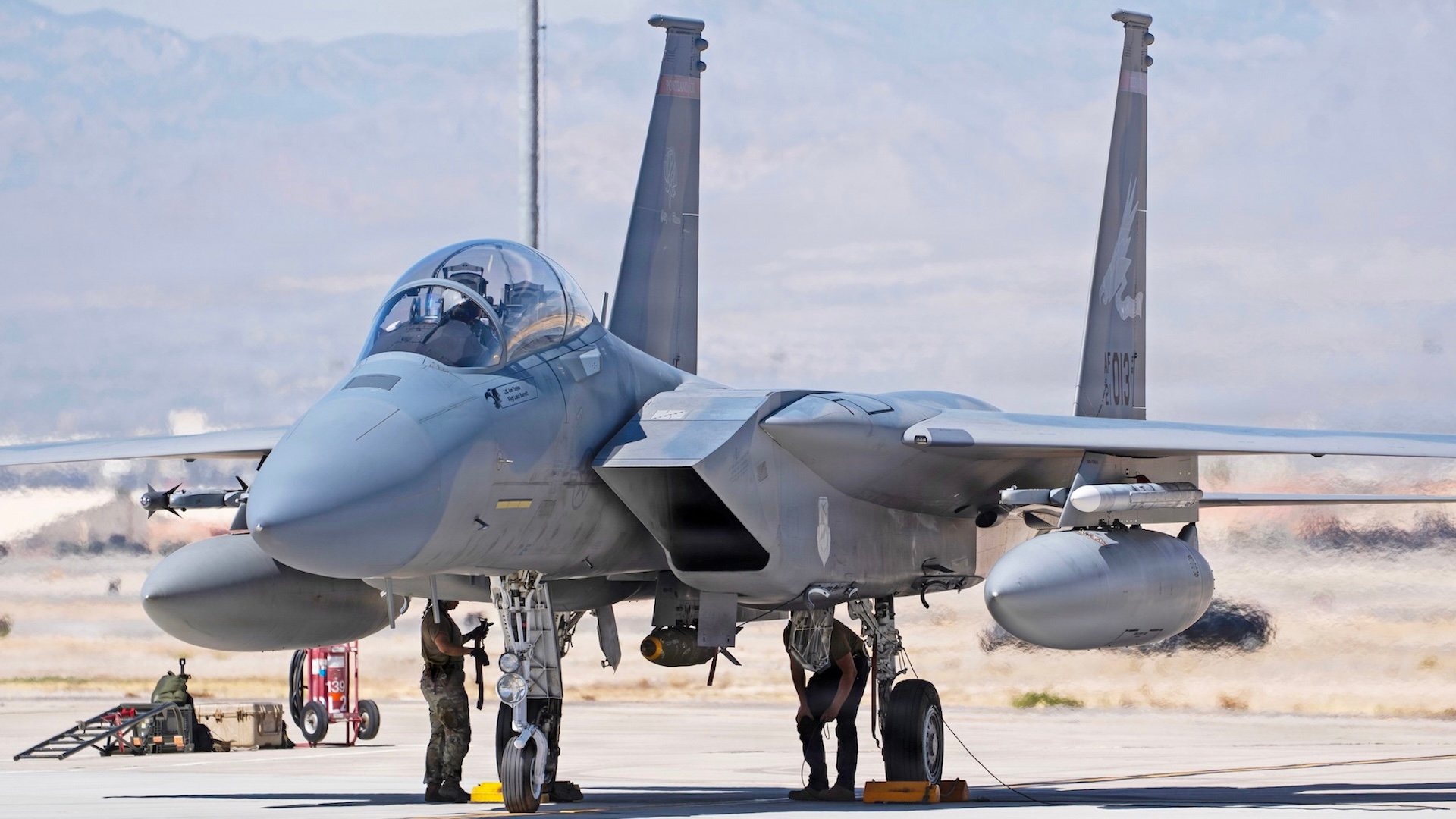
АНУ-ын Агаарын цэргийн хүчний F-15EX Eagle II сөнөөгч онгоцнууд олон зориулалттай байлдааны чадавхийг бүрэн эзэмших хүрээнд анх удаа жинхэнэ тэсрэх бөмбөг хаяж туршсан байна.
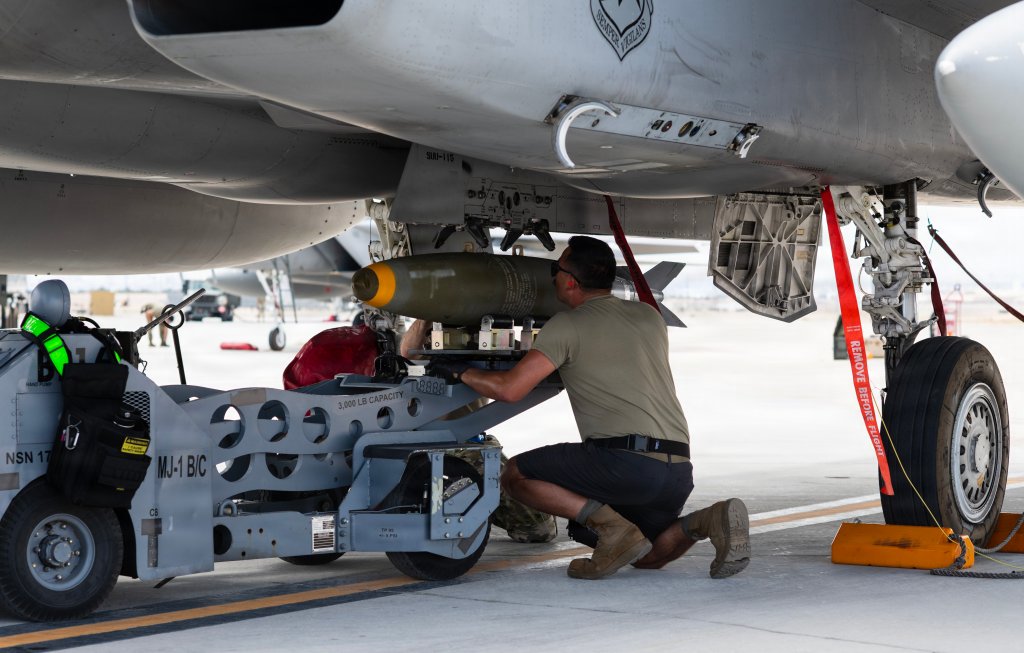
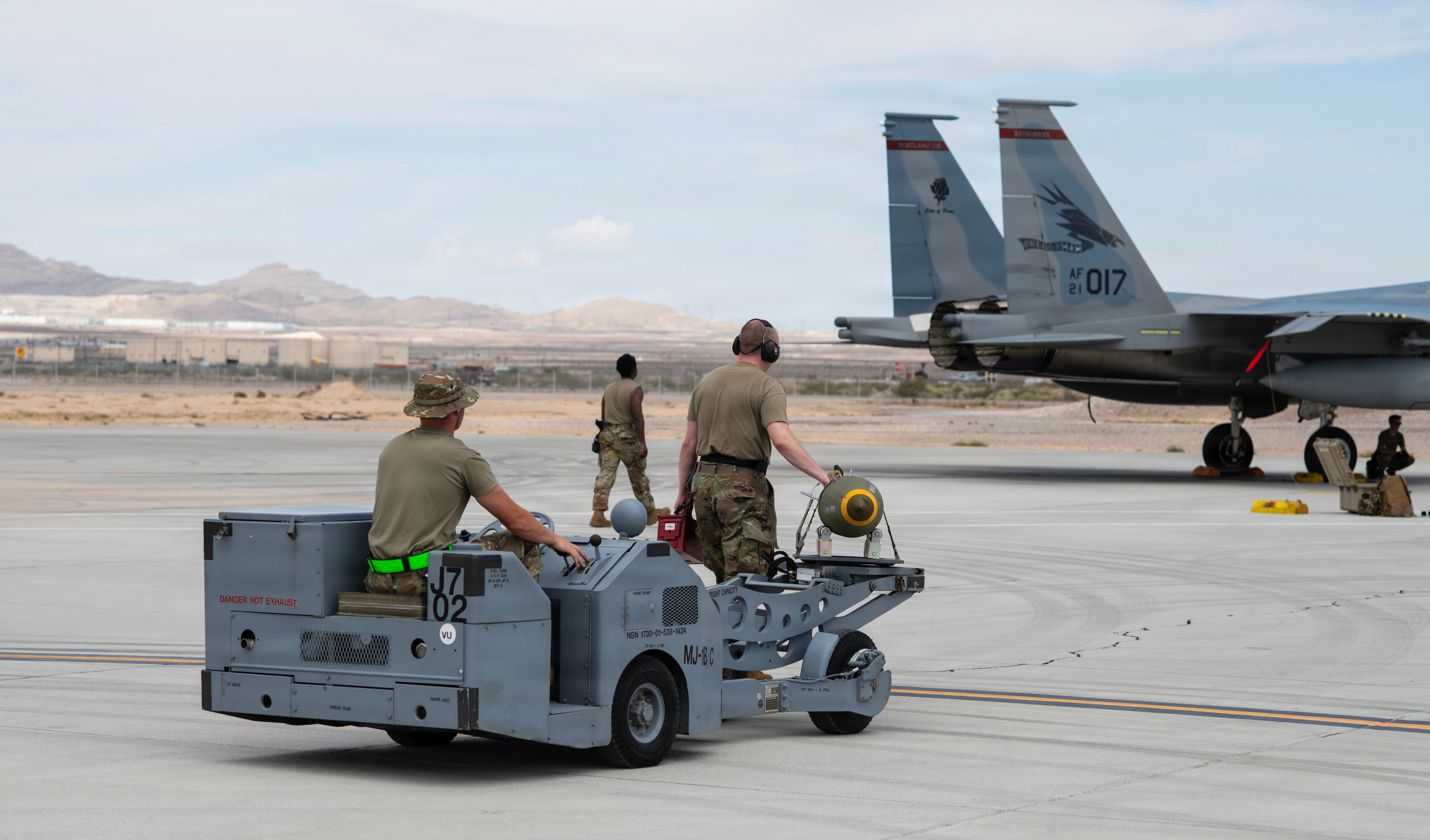
Орегон мужийн Агаарын үндэсний гвардын 142-р жигүүр Невада муж дахь Неллис агаарын цэргийн баазад гурван долоо хоногийн турш үргэлжилсэн сургуулилтад оролцох үеэрээ энэхүү чухал алхмыг хийжээ. Уг ажиллагааг Агаарын цэргийн хүчний Зэвсгийн зааварлагчийн сургалтын хүрээнд зохион байгуулсан бөгөөд сургуулилтаар 500 фунтын жинтэй Mk 82 болон 2,000 фунтын жинтэй Mk 84 чөлөөт уналттай бөмбөгийг онгоцны төв хэсгээс амжилттай хаясан байна.
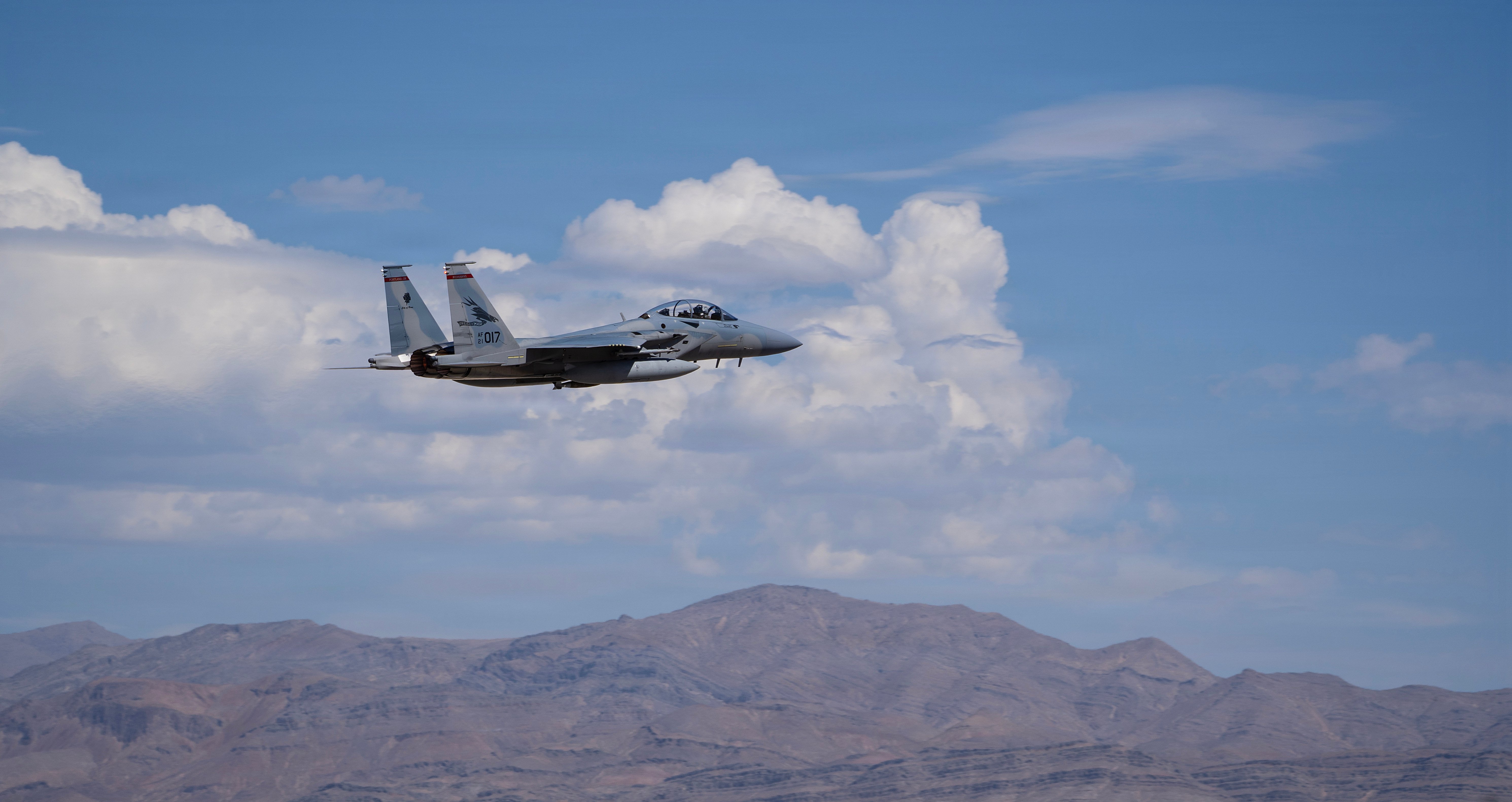
Өмнө нь F-15C загварын агаарын давуу талыг хангах зориулалттай онгоц ашиглаж байсан тус ангийн хувьд энэ нь агаар-газар ангиллын байлдааны ажиллагаанд шилжиж буй томоохон өөрчлөлт юм. F-15EX нь F-15E Strike Eagle загварын шинэчлэгдсэн хувилбар бөгөөд зэвсэг тээвэрлэх их багтаамж, нислэгийн урт хугацаа, орчин үеийн электроникийн системээрээ олон төрлийн даалгавар гүйцэтгэх өндөр чадавхтай ажээ.
Агаарын цэргийн хүчний зүгээс F-15EX сөнөөгч онгоцны үндсэн үүрэг нь эх орны агаар довтолгооноос хамгаалах болон давшилтын ажиллагаа хэвээр үлдэнэ гэдгийг онцолсон байна. Гэсэн хэдий ч тус онгоцны хоёр хүний суудалтай бүхээг болон нэмэлт зэвсэглэл тээвэрлэх боломж нь ирээдүйд илүү төвөгтэй, олон талт даалгавруудыг гүйцэтгэх үүд хаалгыг нээж өгч байгаа юм.
Дэлгэрэнгүйг эх сурвалжаас харах
Эх сурвалжийг нээх ↓
The Oregon Air National Guard’s 142nd Wing has taken another significant step toward turning the F-15EX Eagle II into a true multirole fighter, conducting the first live-bomb drops from operational F-15EXs during training at Nellis Air Force Base, Nevada. The milestone came during a roughly three-week deployment to Nellis in late August and early September in support of the U.S. Air Force’s Weapons Instructor Course (WIC).
Photographs released by the Air National Guard yesterday show F-15EXs from the 142nd Wing carrying live bombs on the flight line and departing Nellis with the weapons loaded. Official imagery shows the jets armed with a single 500-pound Mk 82 freefall bomb on the fuselage centerline, while spotters also captured F-15EXs carrying a 2,000-pound Mk 84 freefall bomb in the same position.
The 142nd’s F-15EXs are only now acquiring a capability that was deliberately absent from the wing’s previous F-15C fleet. The Portland, Oregon-based unit was an air-superiority organization when it operated the F-15C, while the F-15EX is ultimately derived from the F-15E Strike Eagle and has considerably more inherent multirole potential.
As we reported in July, the wing had already begun laying the groundwork for this transition. In May, 142nd personnel traveled to Mountain Home Air Force Base, Idaho, where they loaded and dropped inert BDU-50 and BDU-56 training bombs from their F-15EXs. Those weapons replicate the size and weight of 500-pound-class Mk 82-series and 2,000-pound-class Mk 84-series bombs. Over 10 missions, the crews dropped 24 BDU-50s and 12 BDU-56s.
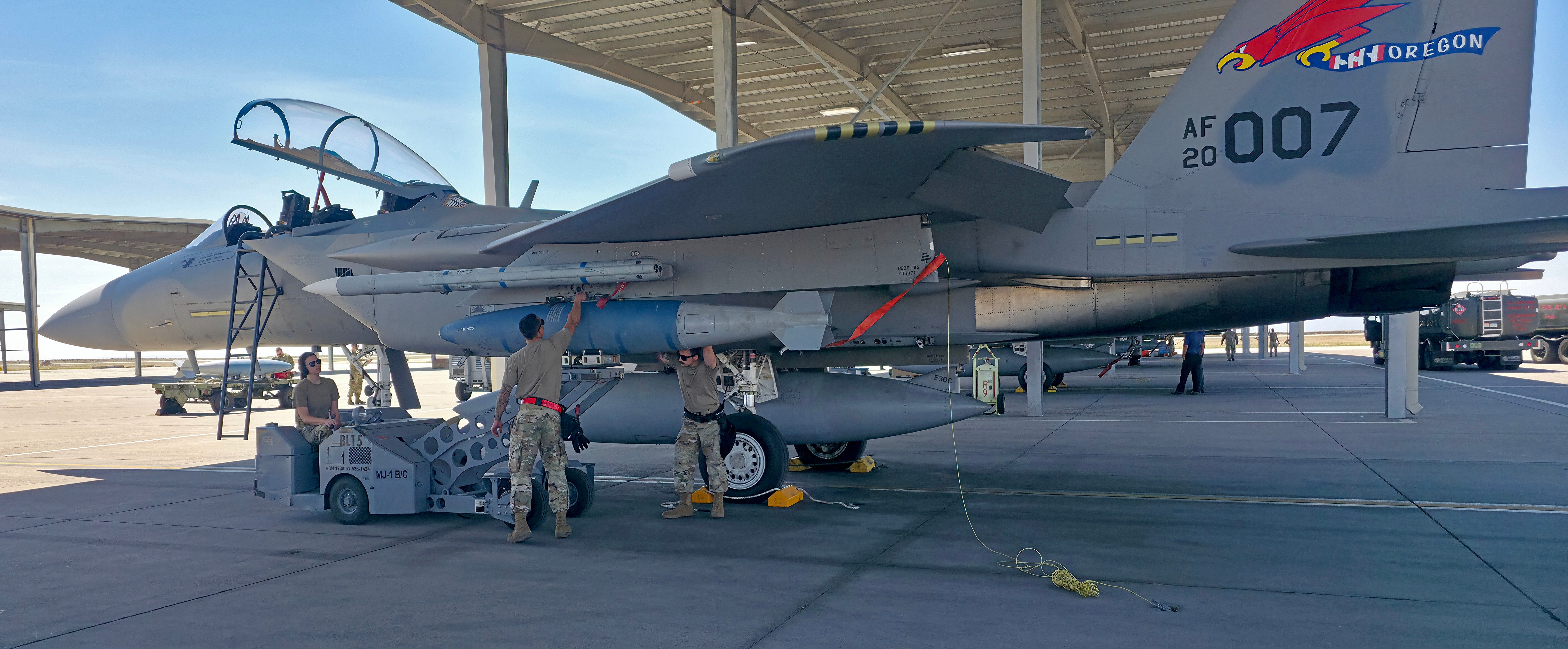
While the F-15EX had already been tested in an air-to-ground role by the Air Force’s test community, the Mountain Home deployment was the first time an operational Eagle II unit had loaded and dropped bombs. The next step, the wing said at the time, would be live weapons employment at Nellis.
The Air Force has emphasized that the F-15EX’s primary mission remains defensive and offensive counter-air, particularly in the homeland-defense role. At the same time, the service’s plans call for the aircraft to provide combatant commanders with strike packages capable of operating in contested environments.
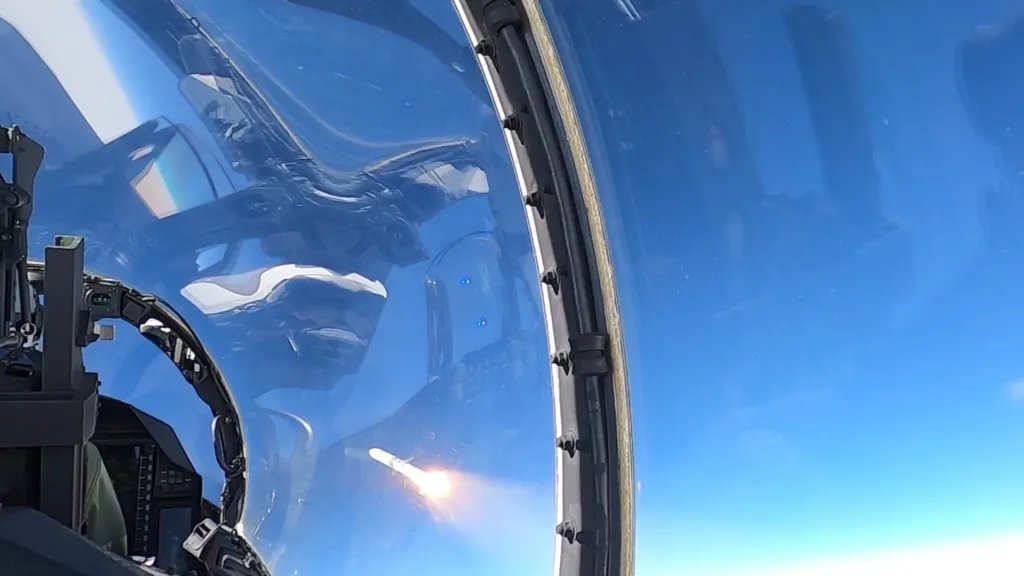
The F-15EX is inherently well suited to such a mission. Derived from the Strike Eagle lineage, it combines that aircraft’s large payload capacity and long range with substantially modernized avionics and electronic warfare systems. The aircraft’s design leaves considerable room for additional weapons and mission equipment, making an expansion into air-to-ground operations relatively straightforward compared with trying to add that capability to the F-15C.
The 142nd has been building the institutional knowledge required to make that transition. Three of its pilots underwent a nine-month course covering the science, tactics, and procedures associated with air-to-ground weapons employment before returning to help establish the wing’s training program. Weapons personnel also traveled to Nellis earlier this year to work with F-15Es assigned to the 59th Test and Evaluation Squadron and become certified in bomb loading procedures.
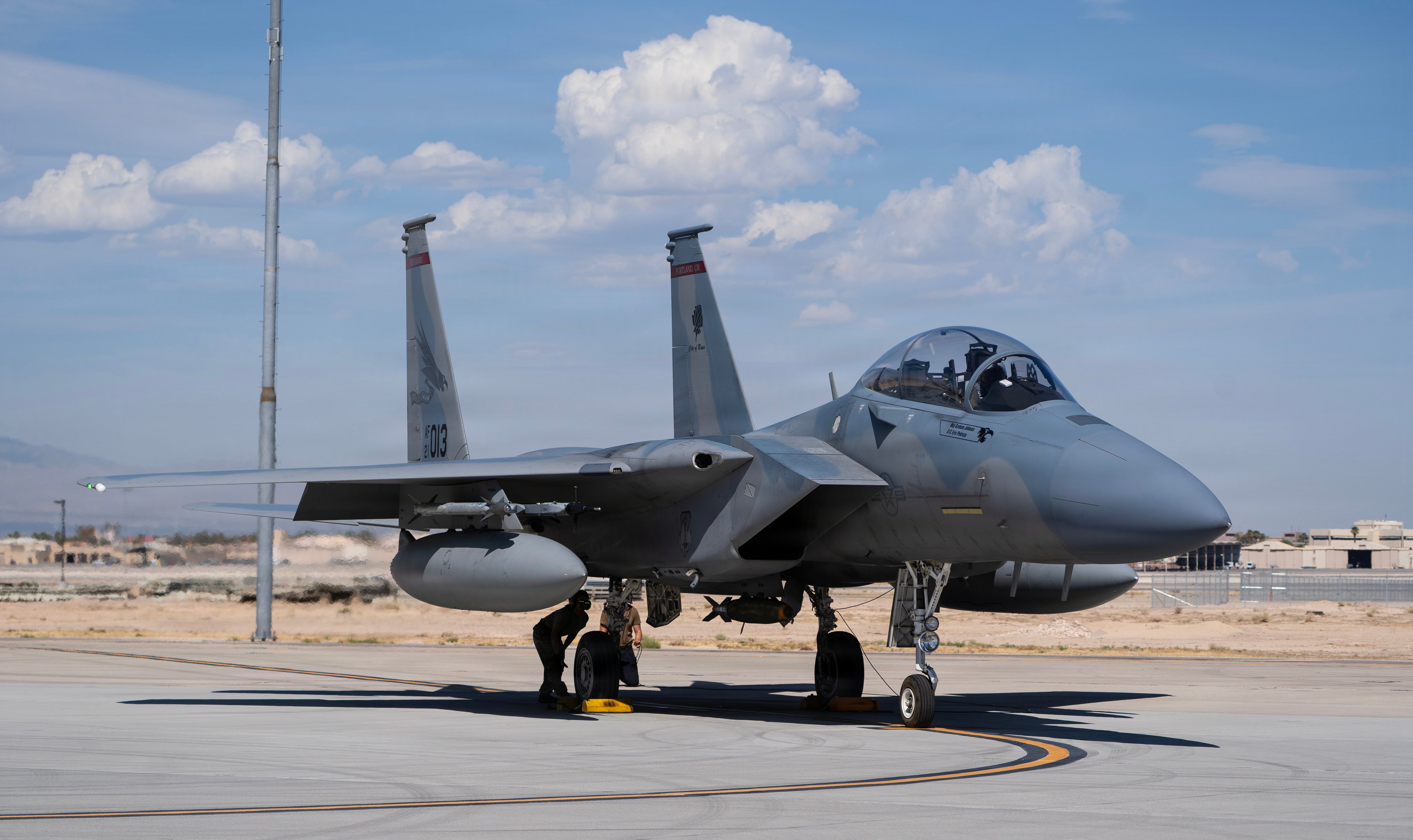
As well as teaching pilots how to release a weapon, the wing had to develop an entirely new air-to-ground training pipeline for pilots, maintainers, and weapons personnel at a unit that had not previously operated an aircraft with an operational bombing mission.
Nellis is home to the Air Force’s Weapons School and is central to the Weapons Instructor Course, making it one of the most important locations in the service for developing and evaluating advanced tactics. The 142nd’s participation therefore places its emerging F-15EX air-to-ground capability in an environment specifically focused on integrating advanced weapons, tactics, and mission planning.
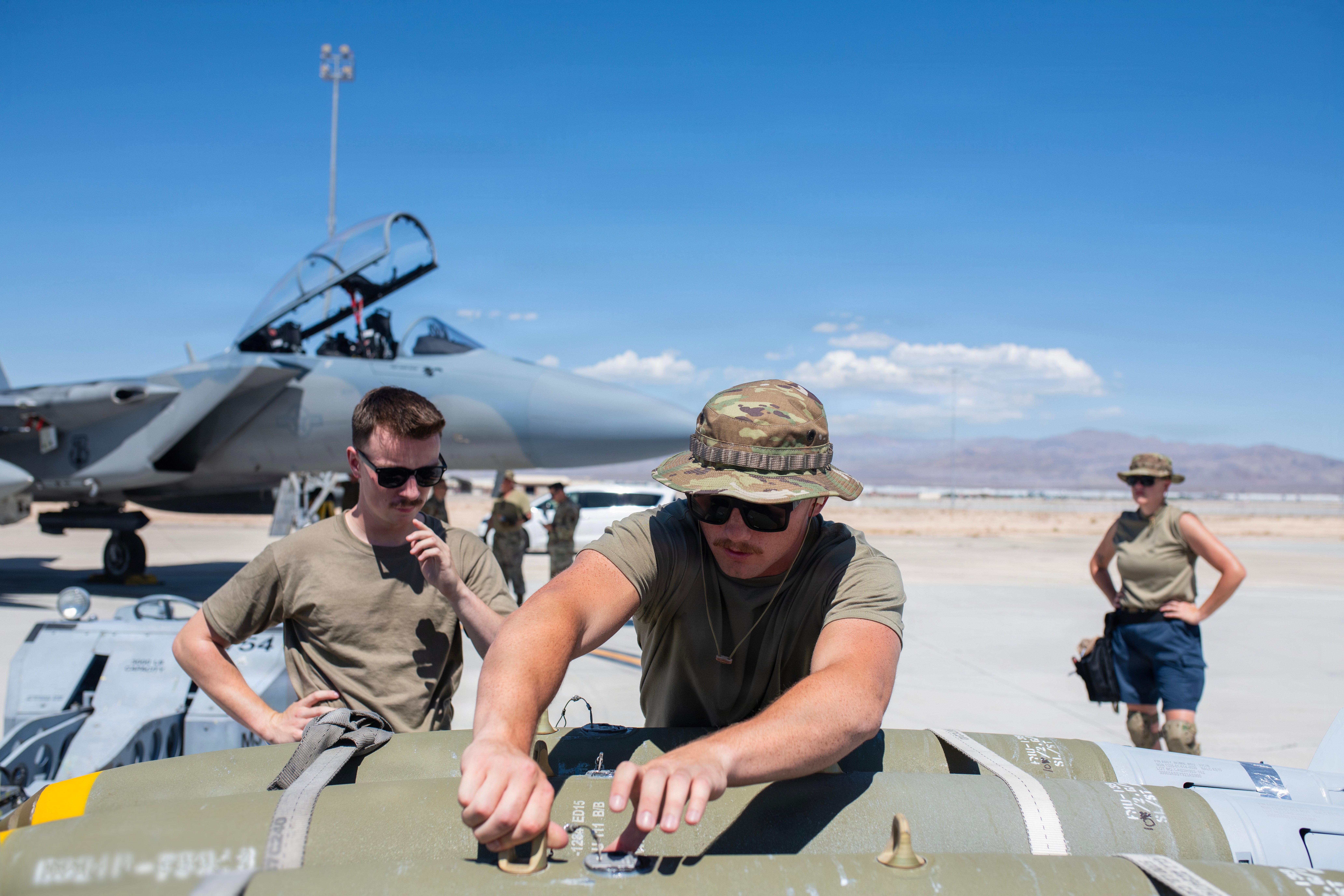
The wing’s new live bomb-dropping capability also comes as the Air Force continues to explore how broadly the Eagle II can be employed.
Test and evaluation units have already demonstrated that the aircraft can accommodate sophisticated air-to-ground weapons. Earlier this year, an F-15EX from the 85th Test and Evaluation Squadron participated in a munitions-load training event at Kadena Air Base in Japan, where Air Force personnel practiced loading live GBU-53/B Small Diameter Bomb IIs onto the aircraft.
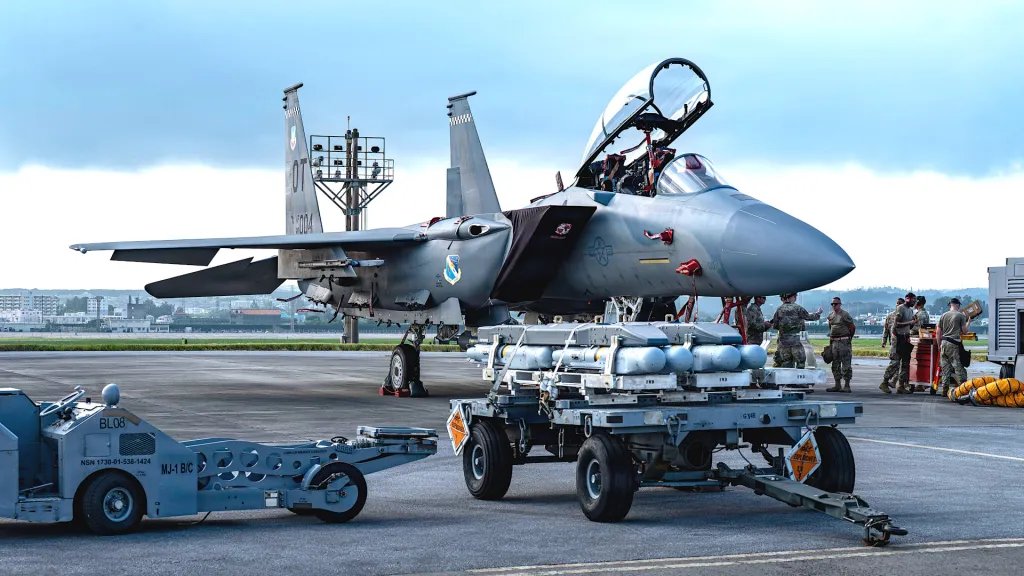
The F-15EX is also capable of carrying the conformal fuel tanks used by the F-15E, which can provide additional fuel as well as additional weapons stations. The operational F-15EXs delivered to the 142nd have so far been seen without CFTs, however, and the status of the plan to equip the Oregon aircraft with them remains unclear.
CFTs could become increasingly important if the Air Force moves toward more demanding air-to-ground missions for the Eagle II, particularly those requiring substantial weapons loads and long-range operations.
Another unresolved question is how the Air Force will ultimately crew F-15EXs when they are performing more complex multirole missions.
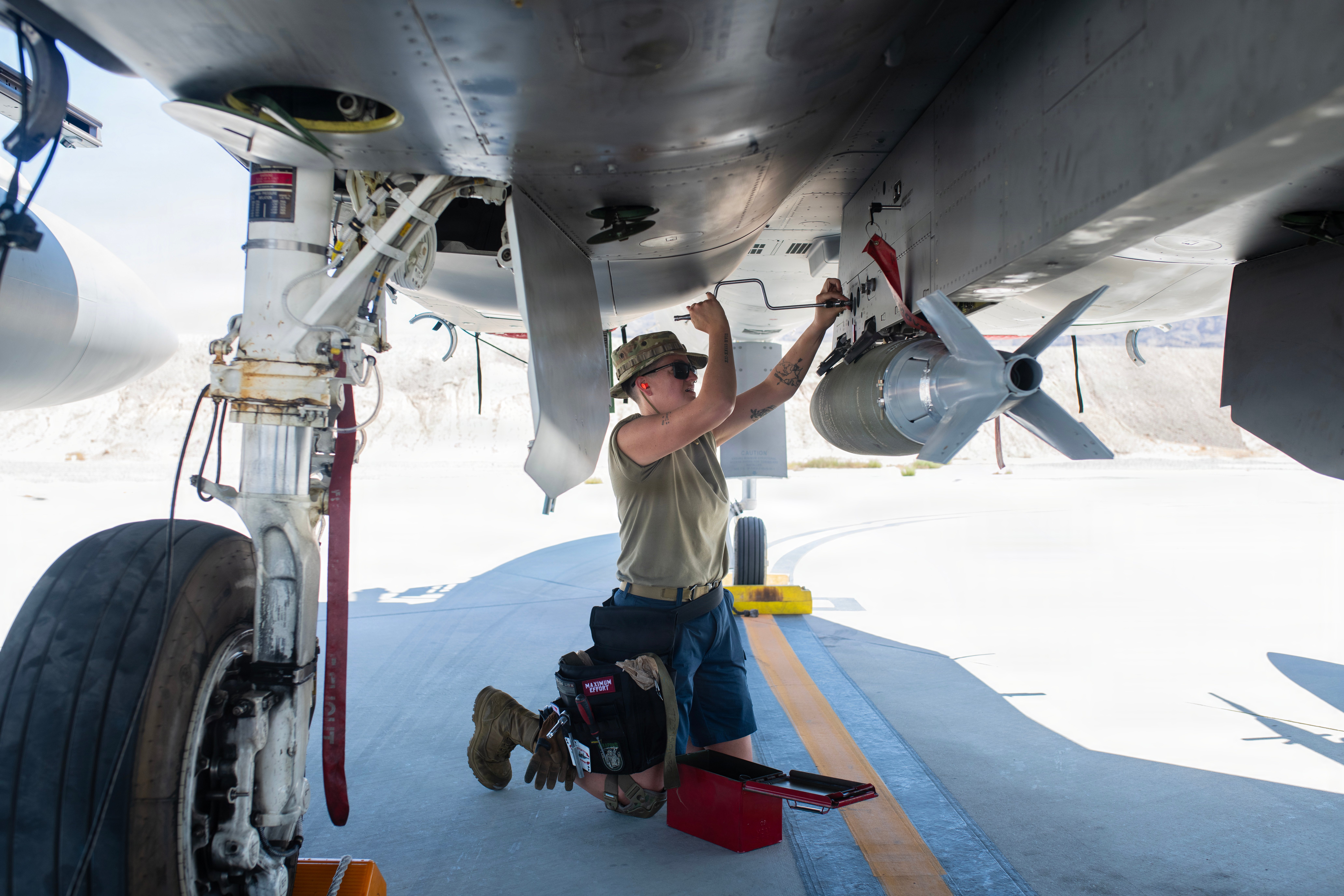
The Eagle II retains the F-15E family’s two-seat cockpit, although the Air Force’s initial operational concept has generally involved flying the aircraft with a single pilot. That leaves an unused cockpit that could potentially become an important asset as the mission set expands.
Former 142nd Wing commander Col. Michael Kosderka previously told TWZ that the addition of a weapons systems officer or other specialist in the rear cockpit could open the door to more air-to-ground capabilities.
“We can start talking about putting all kinds of air-to-ground capabilities into the airplane, potentially putting WSOs or other experts in the backseat as well to have us do any number of multi-role capabilities that it’s just physically not possible to in the C model,” KosderkatoldTWZin an interview back in 2024. “So the X has tremendous growth capability. It’s really exciting.”
Two crew would be particularly relevant to complex strike missions, where managing sensors, weapons, communications, electronic warfare, and other mission systems can place substantial demands on a single pilot. As we have discussed in the past, a back-seater would also be highly beneficial for the emerging drone controller role.
The Weapons School has also been associated with developing two-seat F-15EX operations, indicating that the second cockpit’s utility is already being considered at the tactical-development level.
For now, it would be premature to characterize the F-15EX as an operational replacement for the F-15E Strike Eagle in the air-to-ground role. The 142nd’s newly demonstrated bombing capability remains part of an ongoing training and development process.
Meanwhile, the Air Force is preparing to field substantially larger numbers of F-15EXs. Beyond the 142nd, additional Guard units are planned to receive the type, in California and Louisiana, as well as Michigan.
The Air Force has announced plans to base F-15EXs at Seymour Johnson Air Force Base, North Carolina, where they will eventually replace older F-15Es, which, in turn, are slated to move to Whiteman Air Force Base, Missouri, as part of a broader realignment of the Eagle fleet.
Another two active-duty F-15EX squadrons are slated to replace the former F-15C force at Kadena. The first F-15EX for permanent assignment at Kadena recentlydeparted Boeing’s St. Louis, Missouri, facility for the 142nd Wing, where it will undergo final preparations before its eventual deployment to sprawling Okinawa.
The operational implications of the air-to-ground training therefore extend well beyond Portland.
The Eagle II’s generous weapons payload, long range, modern sensors and electronic warfare systems, and ability to carry both air-to-air and air-to-ground weapons give the Air Force a platform that can potentially perform several missions without sacrificing the characteristics that make the F-15 attractive for homeland defense and counter-air operations. The same characteristics are also extremely relevant to any export operator, which would expect to operate the Eagle II in a multirole capacity.
As well as a weapons-training milestone, the first live-bomb drops by the 142nd Wing provide more evidence that the F-15EX’s mission is continuing to evolve.
Contact the author: thomas@thewarzone.com
The post Operational F-15EXs Drop Live Bombs For The First Time appeared first on TWZ.

