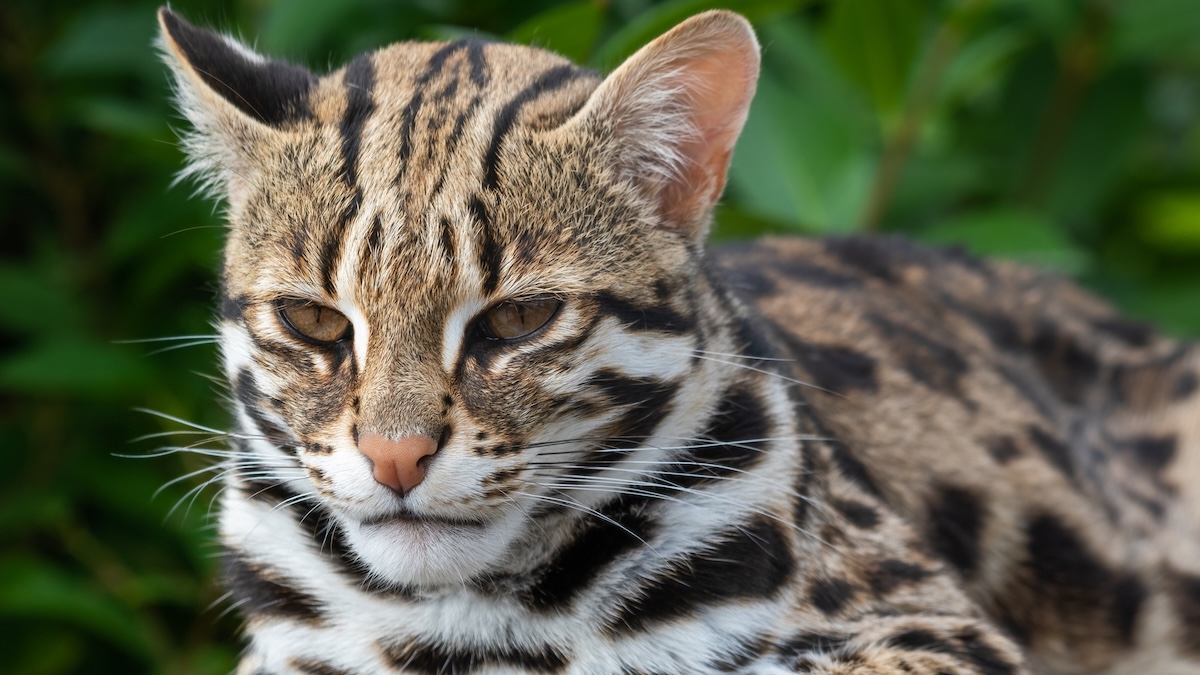
Японы Цүшима арал дээр амьдардаг, нэн ховордсон ирвэс муурны (Prionailurus bengalensis euptilurus) дунд сүүлийн үед сүүл нь богиноссон шинж тэмдэг илэрч эхэлжээ.
Судлаачид 2024 болон 2025 онд хийсэн хээрийн ажиглалтын явцад хэвийн хэмжээнээс даруй хоёр дахин богино сүүлтэй гурван ирвэс муурыг илрүүлсэн байна. Энэ нь тус зүйлийн хувьд урьд өмнө бүртгэгдэж байгаагүй үзэгдэл бөгөөд гэмтэл бэртлээс үүдэлтэй бус, удамшлын эсвэл хөгжлийн гажиг байж болзошгүй гэж эрдэмтэд үзэж байна.
Азабу их сургуулийн амьтан судлаач Юки Мацүмото тэргүүтэй баг уг шинж тэмдэг нь нутгийн гэрийн тэжээвэр муурнуудтай (Felis catus) эрлийзжсэний улмаас үүссэн эсэхийг тогтоохоор генетикийн шинжилгээ хийжээ. Судалгаагаар богино сүүлтэй ирвэс муурны геномд гэрийн муурны удамшлын ул мөр илрээгүй бөгөөд энэ нь эрлийзжих процесс явагдаагүй болохыг баталсан байна.
Одоогоор сүүл богиносох шалтгаан тодорхойгүй байгаа ч төрөл ойртсон үржил буюу цус ойртолттой холбоотой байж болзошгүй гэсэн таамаглалыг дэвшүүлжээ. Цаашид уг үзэгдлийн шалтгааныг нарийвчлан тогтоохын тулд илүү олон бодгалийг хамруулсан генетикийн болон биологийн судалгааг үргэлжлүүлэн хийх шаардлагатай байна.
Энэхүү судалгааны үр дүнг “Global Ecology and Conservation” сэтгүүлд нийтэлжээ.
Дэлгэрэнгүйг эх сурвалжаас харах
↓Эх сурвалжийг нээх ↓
On a small, isolated island of Japan, lives a tiny population of Tsushima leopard cats (Prionailurus bengalensis euptilurus). With only around 100 individuals believed to exist, they’re considered critically endangered there.
Recently, scientists have noticed a new trait emerging in the island’s leopard cats that could mark a worrying trend for conservation efforts.
During field observations in 2024 and 2025, researchers spotted three leopard cats with much shorter tails, around half the usual average length – a feature that’s never been reported in this, or any other, population of leopard cats.
“The occurrence of tail abnormalities in multiple individuals makes independent acquired causes, such as traumatic injuries, a less parsimonious explanation for all cases and raises the possibility of a shared heritable or developmental basis,” researchers write in a new study.
Where these short tails are common, however, is in domestic cats (Felis catus) – a known presence in Tsushima. As such, the biggest concern was that the trait had been introduced through crossbreeding.
To find out, researchers from several institutions in Japan conducted genetic analyses to check if one of the short-tailed leopard cats had any domestic cats up its family tree.
“An unusual phenotype can immediately raise concerns about hybridization, but we wanted to determine objectively what the genome actually tells us before drawing conclusions from appearance alone,” says Yuki Matsumoto, animal geneticist at Azabu University and first author of the study.
The researchers sequenced the whole genome of one short-tailed leopard cat, and then compared it against several other groups. That included 5 local domestic cats (3 of which also had short tails), 15 other Tsushima leopard cats (with regular-length tails), and 4 leopard cats from continental Asia.
The team conducted comprehensive genetic analyses on the specimens to check whether the leopard cats, especially the short-tailed one, had any recent ancestry from domestic cats. They paid particular attention to two genes that are linked to shorter tails in domestic cats.
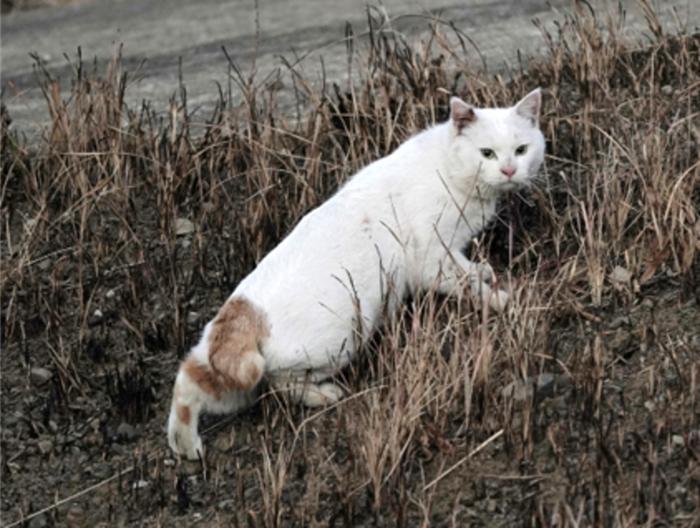
Perhaps surprisingly, the study found no sign of recent crossbreeding with domestic cats in any of the leopard cats, including the short-tailed individual. In all tests conducted, Shorty fell within the range of the rest of its kind, and not between leopard and domestic cat ranges as would be expected for a hybrid.
That might be good news, but it does raise the question of why the trait appeared in at least three individual leopard cats in recent years. The team doesn’t have an answer yet.
Inbreeding is known to cause tail abnormalities in other cat species, and that’s a definite possibility in a population as small as that of Tsushima’s leopard cats. But the team’s genetic analysis found that Shorty wasn’t the product of any more inbreeding than the rest of the leopard cats studied.
The researchers say that their techniques could be missing ancient or very low levels of crossbreeding. It could also be a rare developmental problem, or even an injury, though the researchers saw no evidence of the latter while checking the animal.

In the end, it’s hard to tell from such a small sample size, the team says. Only one short-tailed specimen was directly studied, and though two others were seen on camera traps, that’s still not many in the grand scheme of things.
Related: DNA Reveals Cats in Ancient China Were a Different Species Altogether
“It remains unclear whether these observations represent a single recurring phenotype or multiple forms of tail abnormality arising from different causes,” the researchers write.
“Clarifying whether these phenotypes share a common heritable basis will require detailed phenotypic characterization and genetic sampling of additional short-tailed individuals.”
Finding out more could help conservation efforts for these rare felines.
The research was published in the journal Global Ecology and Conservation.
This article was fact-checked by Rachel Garner and edited by Rebecca Dyer. While we pride ourselves on our process, we are only human. If you spot a mistake, please let us know.

