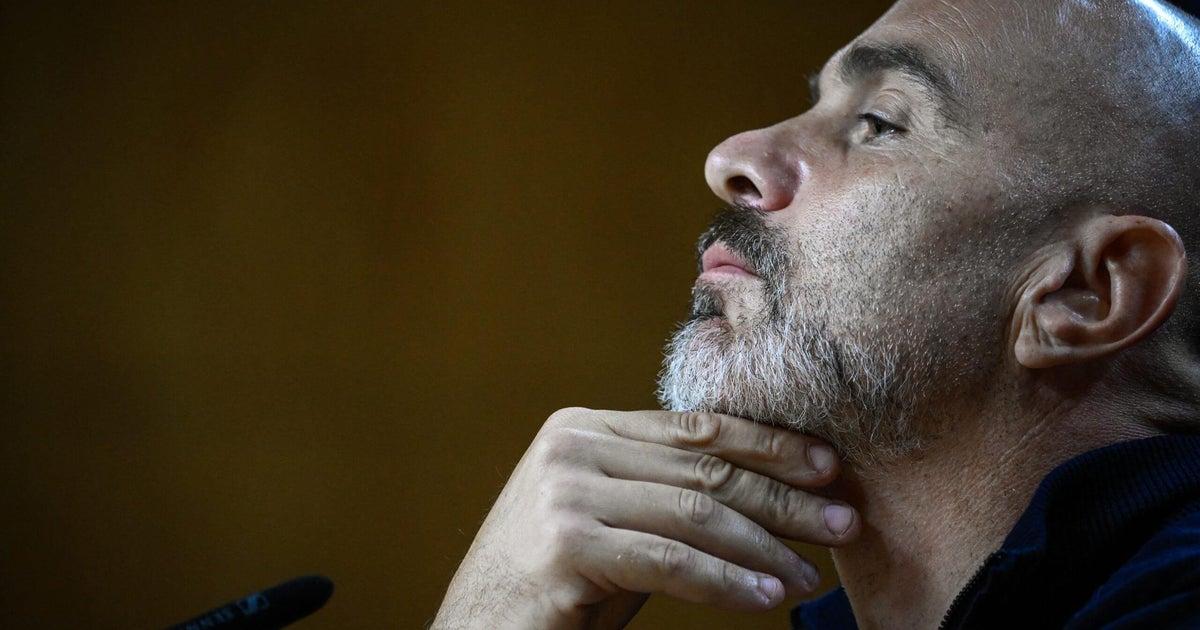
Манчестер Сити-гийн ахлах дасгалжуулагч Энцо Мареска тоглогчдын сэтгэл зүй болон бэлтгэлийн уур амьсгалыг сайжруулах зорилгоор ийм шинэлэг арга барилыг нэвтрүүлсэн байна.
Манчестер Сити-гийн ахлах дасгалжуулагч Энцо Мареска бэлтгэлийн үеэр электрон бүжгийн хөгжим эгшиглүүлэх аргыг нэвтрүүлжээ. Энэ нь тоглогчдын сэтгэл санааг өргөж, бэлтгэлийн уур амьсгалыг илүү нээлттэй болгох зорилготой бөгөөд тактикийн нарийн зааварчилгаа өгөх үед хөгжмийг зогсоодог байна. Тус багийн хамгаалагч Матеус Нунес тоглогчид өөрсдөө хөгжмийн сонголтоо хийдэг нь уг санаачилгыг илүү сонирхолтой болгож байгааг онцолжээ.
Энэхүү арга нь зөвхөн уур амьсгал төдийгүй тоглогчдын гүйцэтгэлд эерэг нөлөө үзүүлдэг болохыг шинжлэх ухааны судалгаанууд баталдаг. Спортын сэтгэл зүйчдийн үзэж буйгаар, хөгжим нь тоглогчдод тоглолтын хэмнэлийг мэдрэхэд туслах “код” болон хувирах боломжтой бөгөөд тэднийг робот мэт бус, илүү хүнлэг байдлаар бэлтгэлдээ хандахад тусалдаг ажээ.

Энцо Марескагийн удирдлага дор Манчестер Сити өнгөрсөн ням гарагт Олд Траффорд цэнгэлдэхэд болсон Манчестер Юнайтедтай хийсэн дерби тоглолтод Фил Фоден улаан хуудас авсан ч 1-0-ийн харьцаатай ялалт байгуулсан юм. Мөн Аваргуудын лигийн хүрээнд Порто-г 2-0-ийн харьцаатай хожсон тоглолтын өмнө дасгалжуулагч энэхүү арга барилаа Лестер Сити болон Челси-д байхдаа ч ашиглаж байснаа дурджээ.
Дэлгэрэнгүйг эх сурвалжаас харах
↓Эх сурвалжийг нээх ↓
It might have seemed more like a soundtrack suited to a nightclub than a top-level football training ground.
High-energy dance music pulsed from huge speakers around the field as the Manchester City players warmed up before a session at the Etihad Campus.
New manager Enzo Maresca watched approvingly. This was the Italian introducing his novel methods to his squad, seeking to build harmony as he forges his own identity in the shadow of his iconic predecessor, Pep Guardiola.
The 46-year-old, whose team won 1-0 against Manchester United in the Manchester derby at Old Trafford on Sunday despite Phil Foden’s first-half red card, is a firm believer in the power of music in an elite performance setting.
This season, electronic dance tracks are played from the club-branded speakers as the City squad comes out to train. When Maresca wants to convey more complex tactical messages during a session, the music is turned down or stopped.
“It’s something that I did in Leicester and Chelsea, and also I introduced it here,” the Italian said during a press conference before his side’s 2-0 Champions League win against Porto.
“There are days when the players with music are happier and can work better. The players decide (the songs). It’s just to create more of an environment for them.”
City defender Matheus Nunes has embraced it. “All the players want to be DJ,” he said before the Porto game. “I like the idea. Why not?”
Maresca is thinking outside the box, albeit other Premier League coaches have tried something similar. Last season, while in charge at Burnley, Scott Parker also played music during warm-ups and ball-work phases of sessions — and, like the Italian, his staff paused the tunes for tactical sessions.
It is not just for the vibes. There is scientific evidence to support the idea that music has a positive impact on performance.
In 2013, academics at the Institute of Sports Science at the University of Hanover in Germany conducted a study (supported by Sennheiser, an audio equipment manufacturer) that showed how footballers improved their game when listening to music at a set rhythm through headphones.
The researchers set up two five-a-side teams to play 10-minute games against each other.
In one of the three games, one team was given wireless headphones, and fast-paced electronic music at 140 beats per minute was played to them.
The other team were also given headphones, but each player heard different pieces of music with various rhythms. In the third game, the teams’ musical offerings were switched, with one hearing tracks synchronously and the other asynchronously (at different times and speeds).
Professional football coaches were enlisted to help analyse the teams’ performances according to recognised criteria: the frequency and accuracy of passes, and the successful conclusion of a game.
The results, according to The Guardian, were conclusive — the team hearing synchronised music played “significantly better”.
“I don’t know if Enzo Maresca has done this with City but ideally, the music becomes like a code,” says Martin Perry, a sports psychologist and author known as the ‘Confidence Coach’.
“Specific tracks could help create a visceral link to game tempo. For example, there would be different music for chasing a game, controlling a game or defending a game.
“Because it’s musically coded, it becomes easier to access for players in their memory in the heat of a game than, say, verbal instructions. You could build associations between music and game state.”
Even if it is not that in-depth, music during training has other benefits. Danny Donachie is a consultant mental performance coach at Burnley and used to be head of medicine at Everton and Aston Villa.
He felt Burnley players responded well to the music at training last season. “Managers like Maresca and Scott Parker are using it in a different way and I really like it,” he says. “Football can be so serious.
“Tactically, it’s serious and everything is focused, robotic and measured, so using music is a more human thing that can make players happier, lighter and more joyful.
“It’s kind of out of the norm and it’s great that he (Maresca) is thinking more holistically instead of treating the players like robots. A lot of the time players get treated like robots — the more human you can treat them, the better it is for everyone.”
Donachie points to how other coaches, like Arsenal boss Mikel Arteta, have used music in a different way. The Spaniard tried to prepare his players for a crunch game at Anfield by playing You’ll Never Walk Alone, the emotive track that greets the Liverpool players onto the pitch before games, to help ready them for the atmosphere.
“Mikel did it to try to replicate the emotion and chaos of playing in a cauldron like Anfield as much as possible,” Donachie says. “Music has an impact but in the context of training sessions, it’s a great way to lift the mood and relax players.”
Enzo Maresca during Manchester City training (Alex Livesey/Getty Images)
As Nunes said, allowing the players to select the tracks is also an important part of the method.
Marc Sagal is a psychologist and performance consultant who has worked in sport, with Liverpool and Olympic athletes, as well as with businesses, including executives at McKinsey & Company, Hewlett Packard and JPMorgan.
He feels Maresca is giving the players a crucial sense of agency by letting them be DJs. “He is pretty astute when it comes to culture,” he says. “Players like having a bit of control, and by letting them pick the songs, he is creating a situation where they can take some ownership. There’s a benefit to that.
“Most of the time, they will feel like they are being bossed around all day in training. Having some input, even on what music is played, is a smart move to get them onside.”
Sagal says his time working with athletes has underlined how important music is to them for relaxation. “These days, the players listen to music all the time through their headphones,” he says.
“When you have a coach like Maresca, who is very rigorous in his preparations, it’s a challenge for the player being coached like that, so the music is a nice counterpoint.”
Sagal notes that Maresca has learned from some of the most renowned man-managers in the game. “He has played under some of the very best, such as Carlo Ancelotti and Marcello Lippi,” he adds. “So he has probably picked up things from them, and he’s worked in different countries.
“If you are trying to get the players’ attention and keep them motivated, you need to try different things.
“We are in a world where you are fighting for people’s attention and they are overstimulated, so you have to be prepared to shake things up. This will help keep players engaged.”
Maresca’s team-mates from his early playing days at West Bromwich Albion in England fondly recall his unselfconscious warbling of Italian pop songs in the locker-room showers. It helped them warm to him on a human level, just as much as they valued his skills on the field.
Now, as a manager, he is harnessing his love of music once again to create bonds and success in a new environment.

