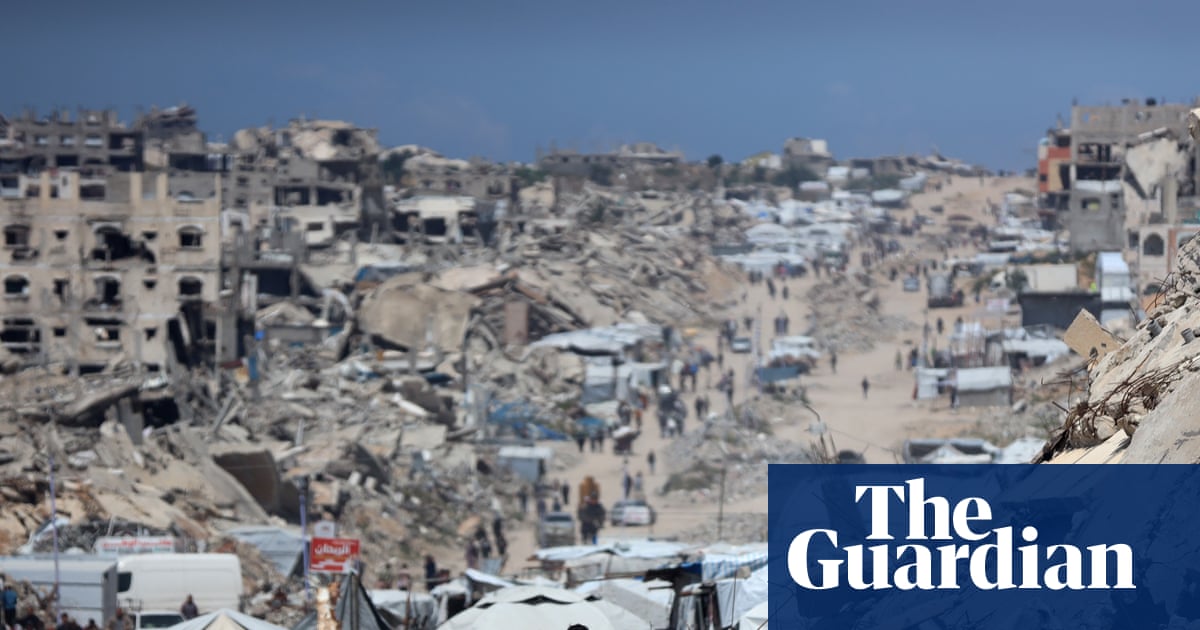
BBC телевиз ХАМАС-ын албан тушаалтны хүүг оролцуулсан баримтат киног цацахаа зогсоосон нь ёс зүйн болон үнэн зөв байдлын ноцтой зөрчил болсныг найруулагч нь онцоллоо.
“Газын зурвас: Дайны бүсэд хэрхэн амьд үлдэх вэ” нэртэй баримтат киноны хамтран найруулагч Жейми Робертс тус бүтээлдээ 13 настай хүүг оролцуулсан нь алдаа байсныг хүлээн зөвшөөрч уучлалт гуйв. Хүүгийн эцэг нь ХАМАС байгууллагын албан тушаалтан болох нь илэрсний дараа BBC уг киног iPlayer платформоос авч, дотоод хяналт шалгалтыг эхлүүлсэн юм. Шалгалтаар уг бүтээл нь үнэн зөв байдлын удирдамжийг зөрчсөн болохыг тогтоож, BBC-ийн удирдлага үүнийг байгууллагын нэр хүндэд халдсан ноцтой үйл явдал гэж тодорхойлсон байна.

Робертс өөрийн Hoyo Films компани мэдээллийн эх сурвалжаа нягтлах тал дээр хангалтгүй ажилласан гэдгээ хүлээн зөвшөөрч, одоо үйл ажиллагаандаа илүү хатуу хяналт тавьж ажиллаж байгаагаа мэдэгдлээ. Гэсэн хэдий ч тэрээр кинонд өгүүлэгдсэн, дайны хөлд нэрвэгдсэн хүүхдүүдийн түүх нь улс төрийн нөлөөлөлгүй, хүнлэг чанарын хувьд чухал ач холбогдолтой хэвээр байгаа тул олон нийтэд хүргэх нь зүйтэй гэсэн байр суурьтай байна. BBC одоогоор уг киног дахин гаргахгүй байх шийдвэрээ хэвээр үлдээгээд байна.
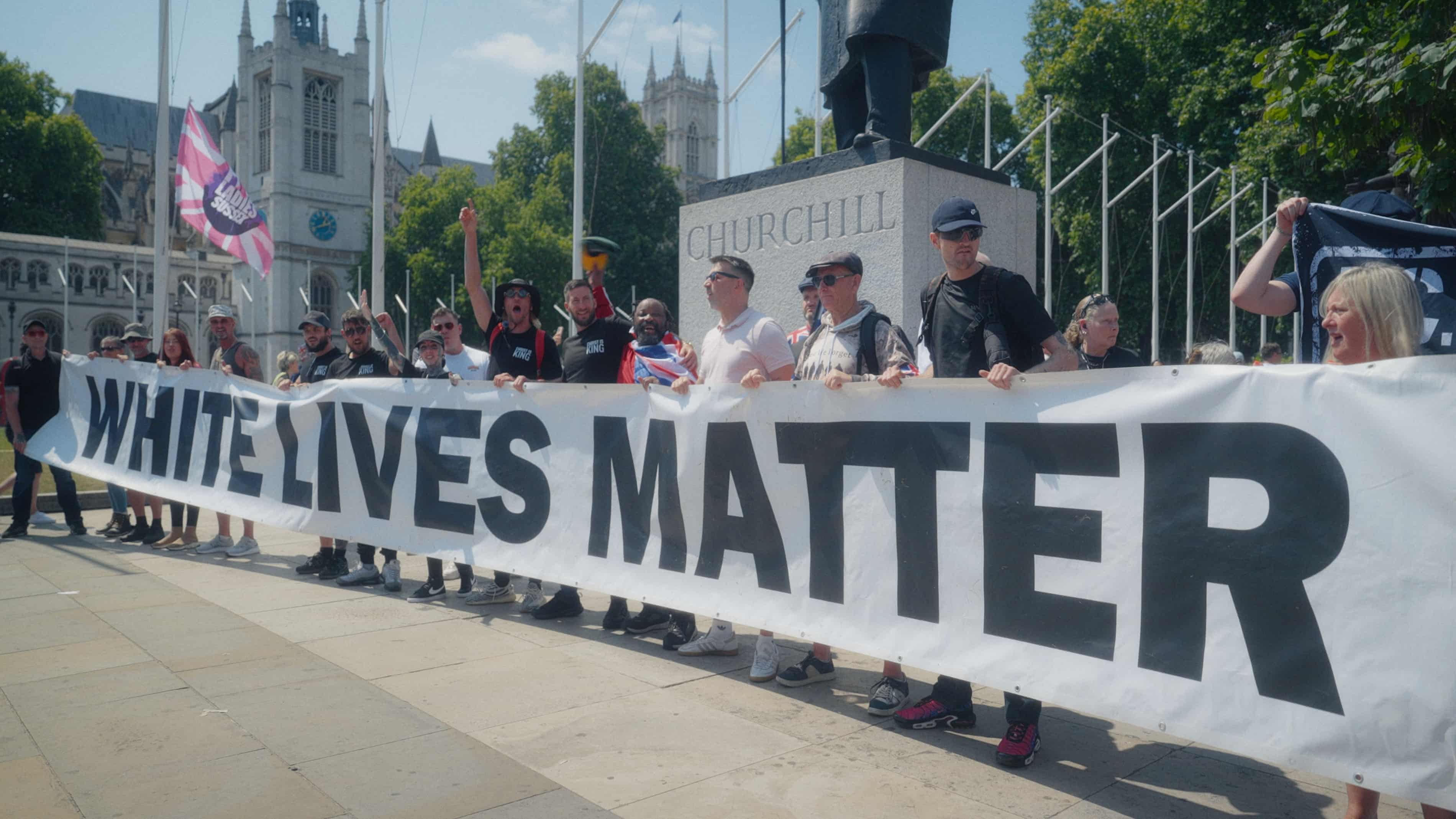
Энэхүү маргаантай үйл явдлын дараа Жейми Робертс цагаачлалын асуудлаарх шинэ баримтат киногоо танилцуулж байгаа бөгөөд уг бүтээл нь Английн хотуудад өрнөсөн цагаачлалын эсрэг эсэргүүцлийн хөдөлгөөн, хүчирхийлэл болон нийгмийн хурцадмал байдлыг баримтжуулжээ. Тэрээр засгийн газрын шийдвэрүүд орон нутгийн иргэдийн санаа зовнилыг хангалттай харгалзаагүйгээс үүдэн хэт барууны үзэлтнүүд үүсээд буй нөхцөл байдлыг ашиглан нөлөөгөө тэлж байгааг харуулахыг зорьсон байна.
Дэлгэрэнгүйг эх сурвалжаас харах
↓Эх сурвалжийг нээх ↓
The stories told in the controversial BBC documentary Gaza: How to Survive a Warzone still need to be aired, according to a co-director of the film, despite the “serious mistake” he acknowledges it made.
In his first interview since the corporation pulled the programme after it emerged its then 13-year-old narrator was the son of a Hamas official, Jamie Roberts apologised for the part his independent production company, Hoyo Films, played in the controversy and said he regretted that it “upset a lot of people”.
Speaking ahead of his new Channel 4 immigration documentary England ‘Til I Die, the Bafta and Emmy award-winning producer said Hoyo had “learned from” the mistake it made and “changed to improve things” by focusing on its editorial procedures to “make sure that never happens again”.
Gaza: How to Survive a Warzone aired last February and was narrated by a Palestinian boy called Abdullah – one of four contributors living in Gaza’s so-called “safe zone”.
However, after details of Abdullah’s father’s employment became public, the film was removed from BBC iPlayer and the corporation ordered a review.
That revealed last July that the programme breached accuracy guidelines. Hoyo had not “intentionally misled” the BBC about Abdullah’s father’s position, which it believed was “a civilian or technocratic position”, but did not inform the corporation about it. It concluded the BBC also bore responsibility for leaving some questions unanswered.
Both parties apologised and the BBC’s chair, Samir Shah, described the incident as a “dagger to the heart” of trust in the corporation.
Roberts said: “There was an oversight of due diligence … We made the mistake. I apologise for that.
“Now we have people that we work with independently who are extremely experienced legally and editorially to help make sure those standards are met. We’ve got support to help us do better, to make sure that doesn’t happen again; we’ve completely focused on our practice.”
Roberts said the BBC was still choosing not to show the film, meaning it could not be seen in the UK: “The mistake we made was serious and we went through the [BBC] review to work on that.
“But the actual stories are hugely important and we stand by those … of children going through conflict … Those individuals had absolutely no bearing on the conflict and what was happening politically and that was the point of the film. So I would love for those to be told at some point, but obviously events overtook it.”
Hoyo’s first major project since Gaza: How to Survive a Warzone is on another controversial subject. England ‘Til I Die involves Roberts following anti-immigration supporters – filming protests, intimidation and violence in English towns.
The programme (11 years after Roberts’s film about the far right, Angry, White and Proud) documents the rise of the anti-immigration movement from last August through the eyes of one man, Liam, who led a campaign against the housing of asylum seekers at a former military training camp near his home town of Crowborough, East Sussex.
Roberts said England ‘Til I Die was an attempt to understand why the issue had escalated, most recently with the rise of balaclava-clad far-right protesters.
He said “the police, crime commissioners and various members of senior government [are] almost in shock and surprise at how this could happen” but that his film showed how far-right activists had filled the vacuum left after government decisions on housing asylum seekers were made without enough communication or support for the communities affected.
Roberts said many Crowborough residents had “legitimate concerns about … the fact that 600 men are being brought to the town … they’re worried” but “they felt no support whatsoever”.
So when nationalist groups such as Operation Raise the Colours came into the town, “they were … quite vulnerable to whichever messaging was coming in”.
Roberts filmed the violence that subsequently erupted and “robustly questioned Liam throughout to explore what he thinks; but also what the difference is between what they’re saying and what they’re actually doing”.
That included the group claiming their motivation was to protect women, but then intimidating women with opposing opinions.
Roberts said: “The level of tension is extremely high and behaviour is becoming unacceptable. It’s no longer people questioning and wanting to discuss grievances. It’s turning into something else.”

