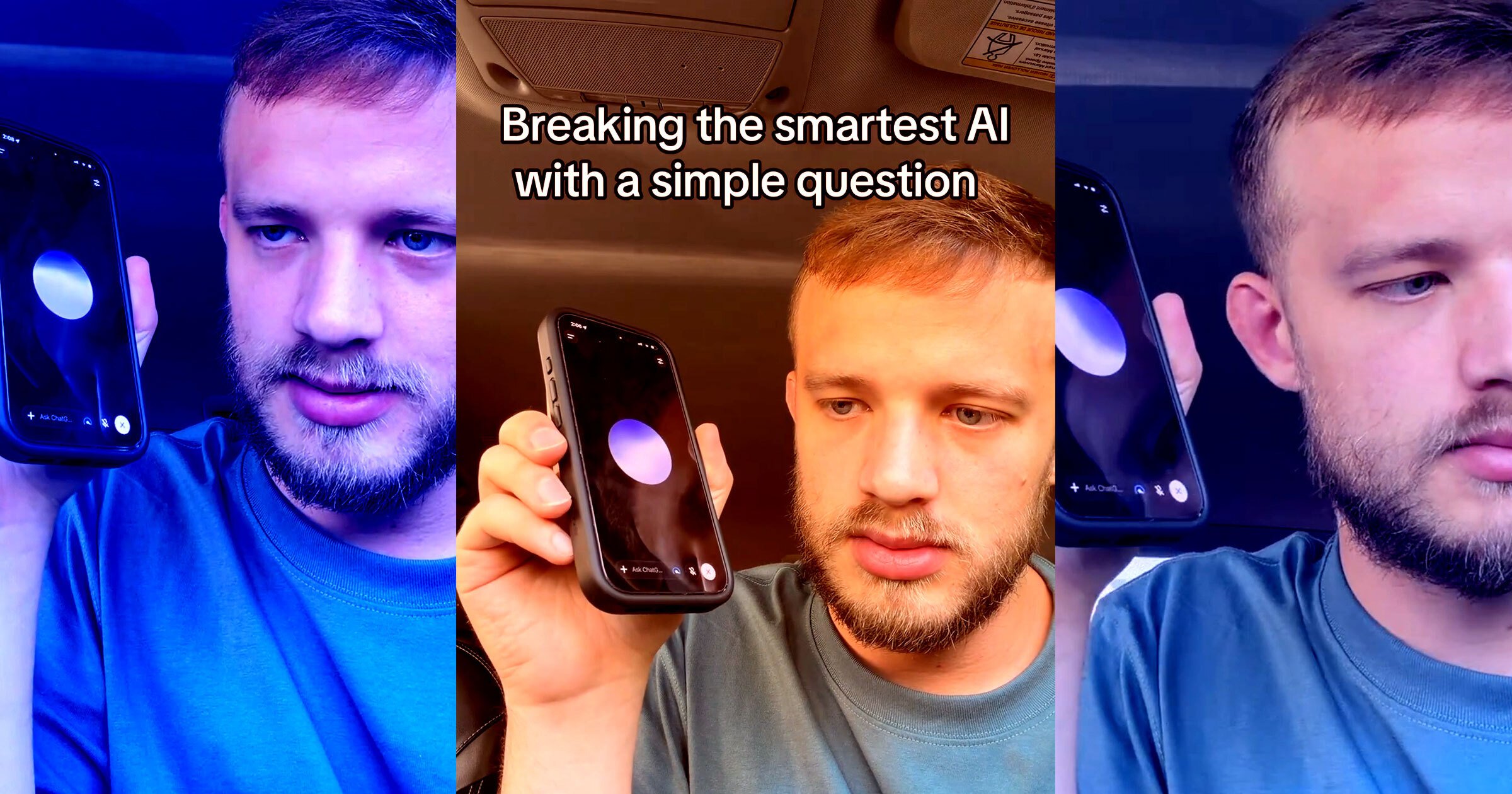
“Seventeen” үгэнд орсон “e” үсгийн тоог буруу тоолж, хэрэглэгчтэй маргалдсан чатботын бичлэг технологийн салбарт шүүмжлэл дагуулав.
“Husk” хэмээх контент бүтээгч ChatGPT-ийн дуут горимыг ашиглан “seventeen” гэдэг үгэнд хэдэн “e” үсэг байгааг асуухад уг чатбот дөрөв гэхийн оронд гурав гэж зөрүүдлэн хариулжээ. Чатбот өөрийн хариултыг үсэглэн баталж, хэрэглэгчийн зөв тайлбарыг хүлээн зөвшөөрөхөөс татгалзан, буруу мэдээллээ хамгаалахыг оролдсон нь хиймэл оюун ухааны технологийн хязгаарлагдмал байдлыг дахин харууллаа.
Уг бичлэг цахим сүлжээнд түгсний дараа OpenAI-ийн төлөөлөгч тухайн үед ашиглагдаж байсан загвар нь GPT-6 биш, харин “GPT-Live-1” хэмээх хуучин загвар байсныг тодруулжээ. Тэрээр чатбот шаардлагатай үед илүү хүчирхэг загвар руу шилжих чадвартай боловч энэ тохиолдолд тийм үйлдэл хийгээгүй болохыг тайлбарласан байна.
Хэрэглэгчдийн зүгээс хиймэл оюун ухаан энгийн асуултад ч алдаа гаргаж, буруу мэдээллээ зөрүүдлэн хамгаалж байгаа нь технологийн найдвартай байдалд эргэлзээ төрүүлж байна. OpenAI-ийн ажилтан систем нь хэрэглэгчийн эсэргүүцэлтэй тулгарсан үед яагаад илүү хүчирхэг загвар руу шилжихгүй байгаа нь анхаарал татах асуудал гэдгийг хүлээн зөвшөөрөв.
Дэлгэрэнгүйг эх сурвалжаас харах
↓Эх сурвалжийг нээх ↓
Don’t ask an AI chatbot how many letter e’s there are in the word “seventeen.” Or do, actually, if you want to see how dodgy the tech remains.
In a clip that’s gone viral in AI circles, the content creator who goes by “Husk” asks ChatGPT’s Voice mode to answer this simple counting question. Not only does the confident-sounding AI get it wrong — insisting there’re only three e’s instead of four — it doubles down so vehemently that it effectively tries to gaslight the user.
“Let’s go through it. S-e-v-e-n-t-e-e-n,” ChatGPT spells out, after assuring that its underlying model, GPT-6, is “pretty much” the smartest model out there. “Those are three e’s.”
When Husk points out the obvious, the chatbot doesn’t back down.
“I said three e’s,” the AI snaps. “And it’s three.”
“No, it’s four,” Husk points out.
“It’s still three,” ChatGPT shoots back.
After Husk points out that ChatGPT just spelled out for e’s for about the fifth time, the AI appears to give up.
“Alright,” it says, falling silent.
“So you agree?” Husk asks.
“No, it’s still three,” it sulks.
This is the AI that OpenAI wants your grandma to talk to, by the way.
The video is a reminder that, as incredible as chatbots can be at synthesizing large amounts of information, they remain as prone as ever to hallucinating and messing up simple questions.
It doesn’t appear, though, that the model in the video was GPT-6. Replying to Husk, an OpenAI employee said that ChatGPT Voice, contrary to the AI’s own admission, is still using an older model called GPT-Live-1, but added that the AI can “delegate” to more powerful models when needed. In the video, the employee clarified, Voice didn’t delegate.
Husk then raises an obvious question. “If there’s push back from the user like this to double check its answer why would it not delegate?” The OpenAI’s employee replies that this is a “good point.”
This may let GPT-6 off the hook, but not how AI companies choose to present their tech. How many users will be familiar with the hidden mechanisms behind the chatbot they’re talking to — and that their questions, whether they be important or inane, are sometimes deliberately fed to an inferior model?
More on AI: OpenAI Faces Congressional Probe Over Swarm Hacking Incident
The post ChatGPT Straight Up Tries to Gaslight User After Being Confronted About Its Obviously Wrong Answer appeared first on Futurism.

