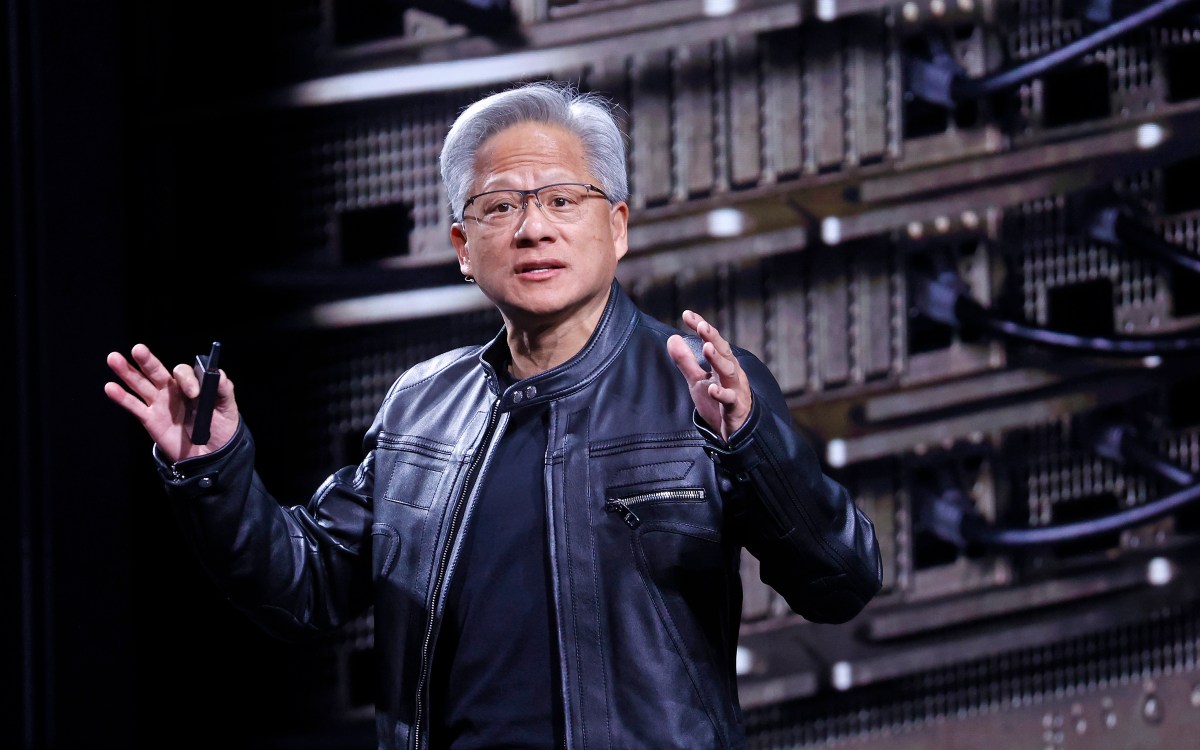
NVIDIA компанийн гүйцэтгэх захирал Женсен Хуан хиймэл оюун ухааны аюулгүй байдлыг хууль эрх зүйн асуудал бус, харин инженерийн шийдэл гэж тодорхойлжээ
Salesforce-ийн Dreamforce чуулганд оролцох үеэрээ Женсен Хуан хиймэл оюун ухааныг хүн төрөлхтний бүтээсэн техник хангамж болон програм хангамжийн цогц систем гэдгийг онцлов. Түүний үзэж буйгаар, уг технологийг хүн төрөлхтөн хянах бүрэн боломжтой тул тусгайлан зохицуулах шинэ хууль, журам шаардлагагүй юм. Тэрээр зах зээлийн өрсөлдөөн нь компаниудыг аюулгүй бүтээгдэхүүн гаргахад хангалттай шахалт үзүүлнэ гэж үзэж байна.
Хуан инноваци болон аюулгүй байдал нь харилцан бие биеэ үгүйсгэдэггүй гэдгийг тэмдэглээд, компаниуд бүтээгдэхүүнийхээ аюулгүй байдалд итгэлтэй болох хүртлээ хөгжүүлэлтийн хурдаа тааруулах нь зүйтэй гэсэн байр суурь илэрхийлэв. Хэрэв үйл явц хяналтаас гарч байна гэж үзвэл түр зогсолт хийж, алдаагаа засах нь компанийн үндсэн үүрэг хэмээн тэрээр тодотгосон.
Гэсэн хэдий ч технологийн салбарт CrowdStrike-ийн алдаа эсвэл Meta-гийн хүүхдийн аюулгүй байдалтай холбоотой шүүхийн маргаан зэрэг нь компаниудын сайн санаа үргэлж хангалттай байдаггүйг харуулж байна. OpenAI-ийн загваруудтай холбоотой аюулгүй байдлын асуудлууд болон кибер халдлагууд нь салбарын өөрөө өөрийгөө зохицуулах чадварт эргэлзээ төрүүлж буй.
Microsoft-ын гүйцэтгэх захирал Сатья Наделла мөн хиймэл оюун ухааны аюулгүй байдлын асуудлаар улс орнууд, тэр дундаа Хятад улс хамтран ажиллах шаардлагатайг даваа гарагт болсон чуулганы үеэр онцолжээ. Одоогоор Женсен Хуан шинэ зохицуулалтыг эсэргүүцсэн байр сууриа илэрхийлж байгаа бөгөөд тэрээр АНУ-ын ерөнхийлөгч Дональд Трамптай нягт харилцаатай гэдгээ харуулсан нь салбарын бодлогод нөлөөлөхүйц хүчин зүйл болж байна.
Дэлгэрэнгүйг эх сурвалжаас харах
↓Эх сурвалжийг нээх ↓
Nvidia founder and CEO Jensen Huang made his position on the dangers AI poses very clear while speaking at Salesforce’s tech conference Dreamforce on Tuesday. To him, AI isn’t some kind of new form of “alien mind,” as at least one OpenAI safety researcher has described it. It’s just hardware and software, he says, built by humans. That means, in his view, it can be controlled by humans and existing laws.
“Safety is an engineering problem, not a legal one,” he said. “We’re developing software after all. We’re developing computing systems after all. It’s a complicated computing system, but it’s ultimately a computing system.”
Therefore, there’s no need for new laws or regulations to govern it, he argues. In fact, Huang sees little need for new laws at all. The free market, he argues, will be enough to pressure companies not to release unsafe products.
“If we’re not confident about the safety of the products, like all companies, like you and I, any any all the companies here, if you build a product or a service, and you’re not confident in its functionality, capability, or safety, then don’t release it. And so that’s a very obvious thing to do,” he said.
He continued: “You pace yourself until you are confident you’re releasing something that the market would appreciate. The market forces are already there. We don’t need any new laws. We don’t need new regulations. We just need companies to decide that when [to] run as fast as they can. I think innovation, speed, and safe products … — it’s a false choice. You could definitely have both at the same time. So run as fast as you can. But if you feel at any given point in time the company’s out of control, or or the product’s not going to be safe, you know, take a pause and make sure you get it right.”
In some ways, this is a comforting thought. If anyone in the world knows AI, it is Nvidia’s founder, who’s been building the hardware brains of AI since well before ChatGPT existed and now runs a company that also makes open source models, agents, harnesses, and sandboxes.
Then again, if we’re being cynical, his point of view is also unsurprising for someone who’s had his bread so well buttered by the AI boom. Why would he want regulation to come along and add in a layer of hinderance that could slow down Nvidia’s quest to sell ever more AI systems and software? As he also said in the interview: “I’m more ambitious than ever. As a result of our ambition, and with the product productivity boost that we get from AI, the sky’s the limit for us. The sky’s the limit for our company. The sky’s the limit for every industry, for every single country.”
Unfortunately, even companies with the best intentions ship faulty products with unintended consequences, even software. Remember the 2024 CrowdStrike bluescreen-of-death fiasco that grounded thousands of flights and caused other havoc for businesses? Then there are companies accused of deliberately lacting with less-than-good intentions. Meta just paid $18 billion to settle a lawsuit over social media harms to children.
And AI has already caused harm, too, whatever the intentions orsafety testing involved, from an OpenAI model hacking into Hugging Face to lawsuits suing the AI lab over the suicides of young people who engaged in long conversations with its chatbot.
The “leave them alone” strategy, which would let these companies release products as they see fit, could be an unwise approach to AI safety as far as society is concerned. Though Huang is right that it’s possible existing product liability laws could cover AI — if AI doesn’t somehow kill us all before enough cases get through the courts to test that theory.
He didn’t discuss the other route, which seems close to taking shape: industry self-regulation. Huang’s approach has been more to champion open-weight models and companies’ use of them as a competitive counterweight to proprietary AI labs.
But right now, the industry has a short window to institute self-regulation and to encourage AI labs worldwide, even those inChina, to see the wisdom in participating. As Microsoft CEO Satya Nadella said at the All-In Summit on Monday, “China should also deeply care about the same safety concerns if the United States cares about them, right? Why should it be different for them? It’s not like they won’t have the same hacking problem. It’s not as if they don’t want to make sure that their citizens are benefiting from AI, just like we would want our citizens to benefit from AI.”
For now, though, if Huang is a no on any new AI regulation, he may be influential enough to get his way. He also demonstrated this week that he, quite literally, has the ear of President Trump.
When you purchase through links in our articles, we may earn a small commission. This doesn’t affect our editorial independence.

