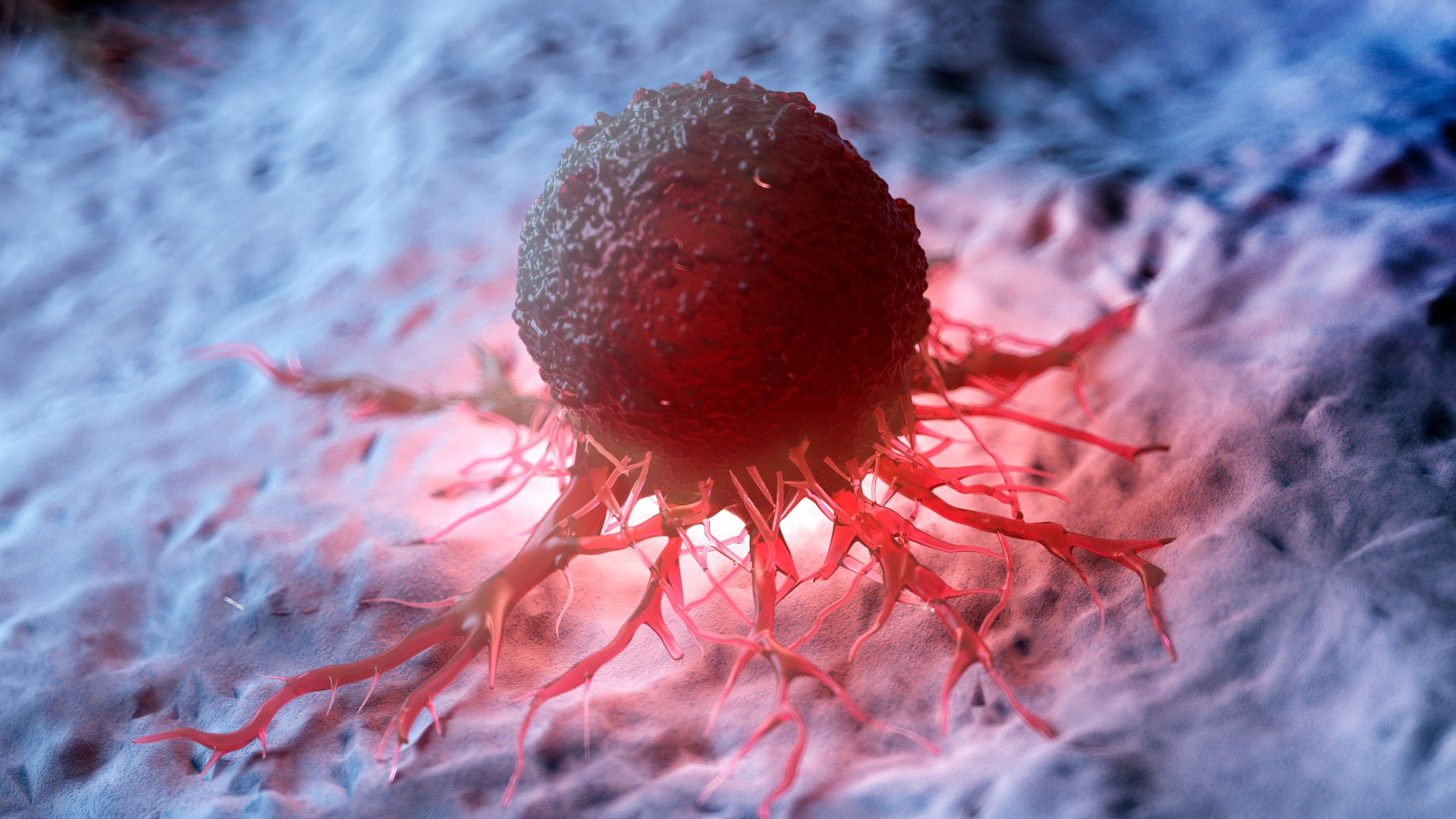
Судлаачид хавдрын орчинд дархлааны эсүүдийг дахин идэвхжүүлэх зорилгоор мРНХ-г зөвхөн хавдрын эсэд хүргэх шинэ аргыг боловсруулжээ.
Аделаидын их сургуулийн профессор Чунся Жао болон түүний баг “Science Advances” сэтгүүлд нийтлүүлсэн судалгаагаар хавдрын эсрэг тэмцэх дархлааны эсүүдийг сэргээх шинэ системийг танилцууллаа. Хавдар нь өөрийгөө хамгаалахын тулд дархлааны эсүүдийг дарангуйлж, тэднийг хавдрын эсрэг тэмцэх чадваргүй болгодог байна. Судлаачид мРНХ-г ашиглан энэхүү хавдрын эсрэг дархлааны эсүүдийг дахин идэвхжүүлж, Т-эсийн хариу урвалыг өдөөх CXCL9 химийн дохиог ялгаруулах замаар дархлааны тогтолцоог сэргээх арга олжээ.
Энэхүү эмчилгээний гол шийдэл нь “ухаалаг” нано бөөмс бөгөөд тэдгээр нь мРНХ-г биеийн бусад хэсэгт нөлөөлөхгүйгээр зөвхөн хавдрын талбайд хүргэх зориулалттай. Нано бөөмс нь хавдартай холбоотой дархлаа дарангуйлагч макрофаг эсүүдийн гадаргуу дээрх TREM2 уурагтай холбогдох эсрэг биетээр бүрхэгдсэн байдаг тул эмчилгээг зөвхөн шаардлагатай эсүүдэд чиглүүлдэг. Мөн нано бөөмс нь дархлааны замыг идэвхжүүлэгч “ресиквимод” хэмээх эмийг хамт тээвэрлэдэг байна.
Лабораторийн туршилтаар макрофаг эсүүд CXCL9 болон дархлааг идэвхжүүлэгч бусад тэмдэглэгээг ялгаруулж эхэлсэн нь тогтоогджээ. Хөхний хорт хавдартай хулганад хийсэн туршилтаар уг эмчилгээний гурван тун нь хавдрын өсөлтийг удаашруулж, Т-эсийн идэвхжлийг нэмэгдүүлэн, дархлаа дарангуйлагч макрофаг эсийн эзлэх хувийг 63 хувиар бууруулсан байна.
Судлаачид энэхүү аргыг дархлааны хяналтын цэгийг дарангуйлагч бусад эмчилгээтэй хавсран туршиж үзсэн бөгөөд энэ нь хавдрыг илүү багасгаагүй ч дархлааны тогтолцоонд эерэг өөрчлөлтүүдийг авчирч, удаан хугацааны дархлааны хариу урвал үүсгэх боломжтойг харуулжээ. Гэсэн хэдий ч энэхүү судалгаа нь хавдрын эсрэг дархлааны эмчилгээний үр нөлөөг сайжруулах шинэ гарц болохыг харуулж байна.
Дэлгэрэнгүйг эх сурвалжаас харах
↓Эх сурвалжийг нээх ↓
Our immune systems don’t just fight bacteria and viruses invading the body. They are responsible for keeping our own tissues in check, taking out cancerous cells before they have a chance to grow. Once a tumor forms, however, it can create an environment that declaws cancer-fighting immune cells—in some cases even reprogramming them to suppress other parts of the immune system.
Overcoming the oppressive tumor environment remains a barrier for even some of the most promising treatments. “One of the biggest challenges in cancer immunotherapy is that the immune system may be capable of attacking a tumor, but the tumor environment can stop those immune cells from doing their job,” University of Adelaide professor Chunxia Zhao explained in a press release.
In a study published this week in Science Advances, Zhao’s team developed a system that can precisely deliver an mRNA therapy to transform immune cells back into allies. The researchers focused on tumor-associated macrophages, which—when rewired by signals from the cancer—hinder the arrival and activity of T cells, one of the body’s main weapons against cancer. The mRNA carries the instructions for producing CXCL9, a chemical signal for recruiting T cells.
Flipping this switch is the easy part. mRNA technologies have been rapidly advancing, especially in the realm of cancer treatments, since they were first introduced to the public as Covid vaccines. However, you don’t want an immune-activating signal going just anywhere in the body. A risk of any immunotherapy is amping up the immune system too much, which can cause dangerous and potentially deadly side effects.
To make sure the mRNA made it directly to the site of the tumor and nowhere else, the researchers developed a delivery method they dubbed “smart” nanoparticles. In any mRNA therapy, including a standard Covid shot, the mRNA is encased in some kind of nanoparticle, usually a lipid envelope. This fatty structure helps the molecules enter cells. In this case, the researchers took this basic technology and added a targeting mechanism to ensure the mRNA only got into the right cells.
The smart nanoparticles were studded with antibodies that bind to TREM2, a protein present on the surface of tumor-associated immunosuppressive macrophages. A tumor’s environment tends to be a messy place full of many different cell types, so not only does this honing mechanism help get the therapy to the right part of the body, but only into macrophages in that region that need reprogramming.
In addition to the mRNA, the smart nanoparticles also carried a drug called resiquimod, which can stimulate certain immune pathways. Initial laboratory results showed that not the previously lethargic macrophages began producing CXCL9 as well as other markers of an active immune state, such as NOS2, expression of which increased by a factor of 89.5. Signals of a more immunosuppressive state also notably decreased.
The researchers then administered the smart nanoparticles to mice with aggressive breast cancer. After three doses, tumor growth slowed. The concentration of CXCL9 was approximately four times higher than in the control group, and the researchers detected the presence of T-cell activity. The treatment also reduced the proportion of macrophages with immunosuppressive characteristics by 63 percent.
Often, cancer treatments are combined to attack the tumor from different directions. The researchers tested their new therapy in combination with two types of immunotherapy already used called immune checkpoint inhibitors. The combination did not further reduce the tumor size, but it did generate important changes in the immune system. Different types of T cells increased within the tumors and nearby lymph nodes—a finding associated with the potential for a more lasting immune response.

