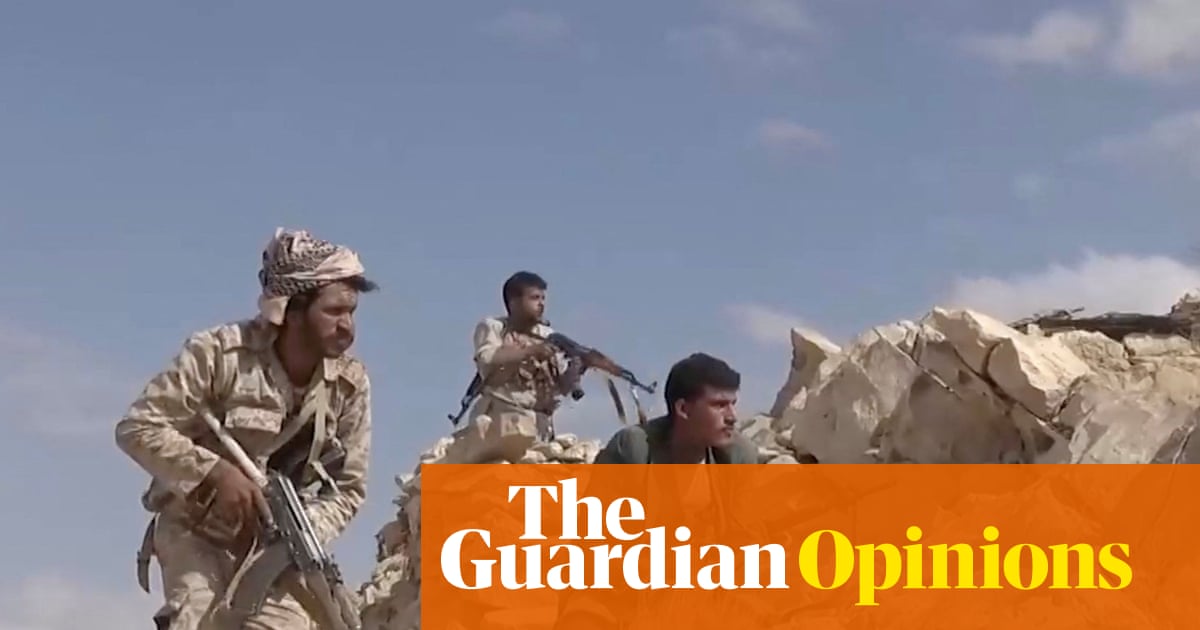
Хути босогчдын Улаан тэнгисийн эрэг дагуух гэнэтийн давшилт нь бүс нутгийн эрчим хүчний тээвэрлэлтийн гол цэг болох Баб-эль-Мандебийн хоолойг хяналтад оруулаад байна.
Йемений Хути босогчид сүүлийн хэдэн өдөрт Улаан тэнгисийн эрэг дагуух олон мянган километр газар нутаг болон стратегийн ач холбогдолтой арлуудыг хяналтандаа авсан нь олон улсын анхаарлыг татаж байна. Энэхүү мөргөлдөөний улмаас 100,000 гаруй хүн дүрвэхээс өөр аргагүйд хүрээд байгаа бөгөөд тус улсын хүн амын тал хувь нь хүмүүнлэгийн тусламжаас хамааралтай байна. Хути босогчид Баб-эль-Мандебийн хоолойг хянах болсон нь Ормузын хоолойн дараа орох эрчим хүчний тээвэрлэлтийн гол цэгийг аюулд оруулж байна.
Ираны эсрэг мөргөлдөөний улмаас Саудын Араб газрын тосоо Баруун-Зүүн хоолойгоор дамжуулан Улаан тэнгисийн боомтууд руу тээвэрлэхээс өөр аргагүй болсон ч Ираны дэмжлэгтэй бүлэглэлийн хийсэн дроны цохилтын улмаас уг хоолой хаагджээ. Нэг сарын хугацаанд үргэлжлэх энэхүү хаалт нь дэлхийн газрын тосны нийлүүлэлтийг 120 сая баррелиар бууруулж болзошгүй гэсэн тооцоо бий. Түүнчлэн Баб-эль-Мандебийн хоолойгоор дамжин өнгөрөх тээвэрлэлт зогссоноор Азийн зах зээл рүү чиглэх газрын тосны нийлүүлэлт удааширч, зардал нь өсөж байна.
Саудын Араб өмнө нь Хути босогчидтой хийсэн дайнаас гарч, 2022 оны эвлэрлийг хадгалахыг зорьж байсан ч сүүлийн үеийн нөхцөл байдал хурцадсаар байна. АНУ-ын зүгээс тусламж үзүүлэх хүсэлтийг хүлээж аваагүй тул Саудын Араб хэлэлцээ хийх эсвэл дайныг үргэлжлүүлэх гэсэн хүндхэн сонголтын өмнө иржээ. Турк болон Пакистан улсууд наймдугаар сард байгуулсан Меккагийн батлан хамгаалах гэрээний дагуу яаралтай арга хэмжээ авахаас татгалзаж байна.
Йемений хямралыг цэргийн хүчээр шийдвэрлэх боломжгүйг түүхэн үйл явдлууд харуулж байна. Олон улсын байгууллагууд болон гадны талууд Йемений дотоод улс төрийн үйл явцыг дэмжих, энгийн иргэдийг хамгаалах, хүмүүнлэгийн тусламжийг нэмэгдүүлэхэд анхаарлаа хандуулах шаардлагатай байна. Бүс нутгийн тогтворгүй байдлыг намжаахын тулд Ираны эргэн тойрон дахь мөргөлдөөнийг эцэслэх нь нэн тэргүүний зорилт болоод байна.
Дэлгэрэнгүйг эх сурвалжаас харах
↓Эх сурвалжийг нээх ↓
Even in a region beset by turmoil and learning to expect the unexpected, the lightning advance of Yemen’s Houthis along the Red Sea coast has shocked observers. More than 100,000 people have been forced to flee in a country where immiseration and displacement have become routine and half the population depend on humanitarian aid. But outsiders are paying close attention, because by claiming thousands of kilometres in a matter of days, and seizing strategically important islands, the Iran-backed rebels now control the Babal-Mandab strait – the other major regional energychokepoint after the Hormuz strait.
The Iran war has forced Saudi Arabia to rely on moving oil via its east-west pipeline to Red Sea ports. Now drone strikes – blamed on an Iran-backed militia in Iraq – have shut the pipeline: on one estimate, a month-long closure could cut global crude supply by 120m barrels. The halt to shipping through the Bab al-Mandab strait could be much more protracted. Taking the oil north is a far slower and more expensive route to Asian markets, and does not preclude attacks by the Houthis, who are also targeting oil facilities.
Saudi Arabia had painfully extracted itself from a war with the Houthis which it recklessly spearheaded – nominally in support of the internationally recognised government – at astounding cost to its own coffers and Yemeni civilians. It apparently hoped that it could calibrate its response to a flight from Iran to Houthi-controlled Sana’a in July, the first in over a decade, sufficiently to save the 2022 truce. But bombing Sana’a airport gave the Houthis the opportunity to escalate while blaming Riyadh.
The Houthis are not mere proxies for Tehran, but their interests are increasingly aligned, thanks to Donald Trump’s unlawful war on Iran. They need to maintain Iranian support and the strait of Hormuz crisis has created a new opportunity to exert economic pressure, and perhaps create a new income stream, via strategic gains along the coast. The forces ranged against them, including thegovernment and southern secessionists, are more fractured than ever. The United Arab Emirates, which has clashed with its former close partner Saudi Arabia, withdrew its troops at the turnof the year.
Saudi strikes alone will not be enough to push the Houthis back. But Mr Trump has rebuffed requests for help. The Houthis have been canny enough to say that they are targeting only the Saudis, though that message reinforces the fact that their leverage could be used more broadly in future. They are also closer than ever to Djibouti, home to US, Chinese and other military bases.
The Saudis face a choice between negotiations with an emboldened enemy now making increasingly maximalist demands – or returning to the kind of full-scale war they previously regretted, with little support this time. Turkey and Pakistan are not rushing to act on the new Mecca defence pact the three countries signed in August.
Yemen’s recent history amply demonstrates the futility of seeking a military solution. Ultimately, its citizens deserve a government not dependent on either Riyadh or Tehran. Outside parties should concentrate on promoting a political process within the country. They should stress that both sides must protect civilians, and support humanitarian efforts. Their priority, however, should be a resolution to the Iran war, without which danger in the region, and broader instability, will only grow.

