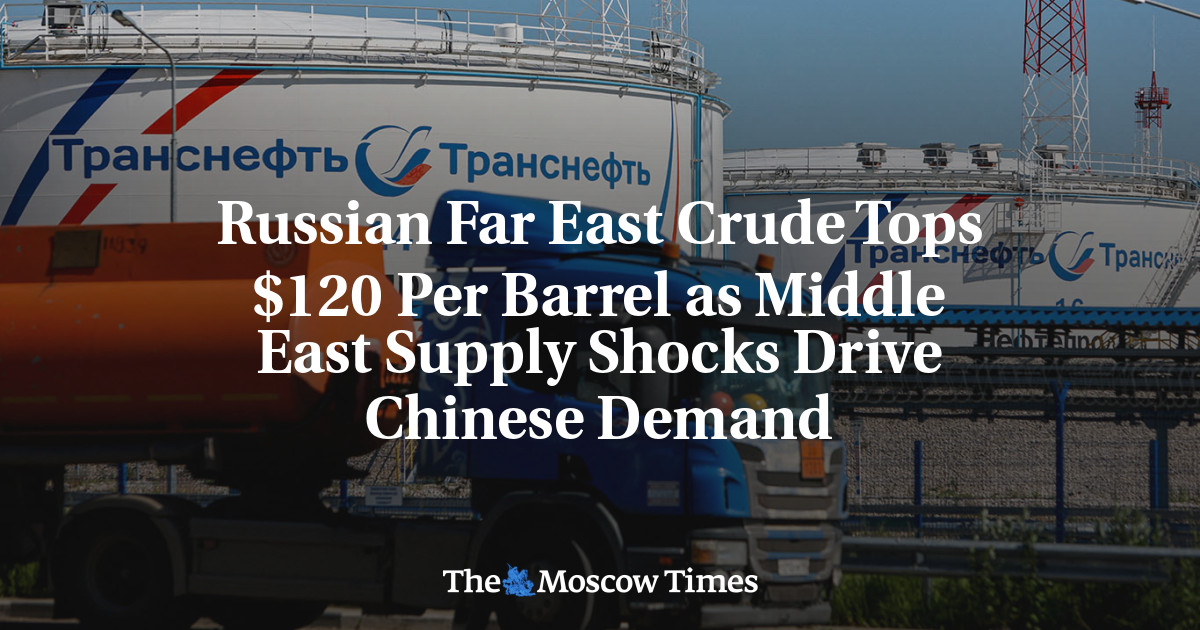
Ойрхи Дорнод дахь зэвсэгт мөргөлдөөн болон нийлүүлэлтийн сүлжээний тасалдлаас үүдэн ОХУ-аас БНХАУ руу экспортлох ESPO маркийн газрын тосны үнэ нэг баррель нь 120 ам.доллароос давлаа.
БНХАУ-ын төрийн өмчит боловсруулах үйлдвэрүүд нийлүүлэлтийн хомсдолоос сэргийлж, арваннэгдүгээр болон арванхоёрдугаар сарын тээвэрлэлтийн захиалгаа урьдчилан баталгаажуулж эхэлжээ. Энэхүү эрэлтийн өсөлт нь ESPO маркийн тосны үнийг олон улсын зах зээлийн жишиг болох ICE Brent-ээс 20-30 ам.доллароор илүү өндөр түвшинд хүргэсэн байна. ОХУ-ын Алс Дорнодын Козьмино боомтоор дамжин гардаг энэхүү хөнгөн, хүхэр багатай тос нь Хятадын импортын гол эх үүсвэрүүдийн нэг юм.
Үнийн энэхүү өсөлт нь Иран болон түүнийг дэмжигч хүчнийхэн АНУ-ын цэргийн болон эдийн засгийн арга хэмжээний эсрэг хариу үйлдэл үзүүлж буйтай холбоотой байна. Мөн Иракт байрлах зэвсэгт бүлэглэлүүд Саудын Арабын газрын тос дамжуулах хоолой руу дроноор халдсаны улмаас тус улс экспортын томоохон маршрутаа хаахад хүрсэн нь дэлхийн эрчим хүчний зах зээлд хүндрэл учруулжээ.
Үүнтэй ижил төстэй үнийн өсөлт энэ оны хавар ажиглагдсан бөгөөд тухайн үед Ормузын хоолой хаагдсанаас үүдэн ОХУ-ын Urals маркийн тосны үнэ 110 ам.доллароос давж байв. Одоогоор ОХУ-ын Энэтхэг болон Хятад руу нийлүүлж буй Urals маркийн газрын тосны үнэ 110-120 ам.долларын хооронд хэлбэлзэж байна.
Дэлхийн зах зээл дэх нөөцийн хомсдол болон дэд бүтцийн эвдрэлийн улмаас ОХУ-ын газрын тосны экспортын орлого нэмэгджээ. Танкерын хөдөлгөөний мэдээллээс үзвэл, ОХУ-ын долоо хоногийн далайн тээврийн газрын тосны экспорт 2.42 тэрбум ам.долларт хүрсэн нь тавдугаар сарын сүүлээс хойших хамгийн өндөр үзүүлэлт болоод байна.
Дэлгэрэнгүйг эх сурвалжаас харах
↓Эх сурвалжийг нээх ↓
Prices for Russia’s ESPO blend of crude oil bound for China surged past $120 per barrel this week, Reuters reported Friday, citing trading sources and market data.
Chinese state-owned refiners rushed to lock in November and December ESPO cargoes early, although they typically purchase the grade one or two months in advance due to the short shipping distance.
The buying spree pushed the ESPO grade’s price premium over benchmark ICE Brent to record levels of $20 to $30 per barrel.
ESPO is a low-sulfur, light Siberian crude exported primarily via the Kozmino port in Russia’s Far East. China primarily imports the unique blend, as well as Arctic and Sakhalin grades.
The surge in premium costs comes asIran and its proxies continue to retaliate against U.S. strikes and economic warfare. Saudi Arabia shut down acritical oil pipeline last week after it said militants in Iraq launched drones at the facility, which was being used as an export route to bypass the effective closure of the Strait of Hormuz.
The rising cost of ESPOmirrors a similar surge seen with Russia’s flagship Urals blend in March and April 2026 after the United States and Israel first launched attacks against Iran.
During the initial closure of the Strait of Hormuz this spring, global buyers scrambled for alternative oil supplies, sending Urals prices soaring above $110 per barrel. Prices cooled over the summer as workaround shipping routes were established and Chinese refiners drew down domestic stockpiles.
The spring surge came as the Trump administration sought to ease global energy markets by issuing multiple rounds ofa sanctions waiver on purchases of Russian seaborne crude.
But with Saudi infrastructure damaged and global inventories depleted, physical crude premiums have once again surged.
Russia’s Urals crude delivered to India and China reached $110 to $120 per barrel last week, the newspaper Kommersantreported Wednesday, citing the energy agency Argus.
Meanwhile, Russia’s weekly seaborne oil export revenues hit $2.42 billion, their highest level since late May, Bloomberg reported Wednesday, citing tanker tracking data.
A Message from The Moscow Times:
Dear readers,
We are facing unprecedented challenges. Russia’s Prosecutor General’s Office has designated The Moscow Times as an “undesirable” organization, criminalizing our work and putting our staff at risk of prosecution. This follows our earlier unjust labeling as a “foreign agent.”
These actions are direct attempts to silence independent journalism in Russia. The authorities claim our work “discredits the decisions of the Russian leadership.” We see things differently: we strive to provide accurate, unbiased reporting on Russia.
We, the journalists of The Moscow Times, refuse to be silenced. But to continue our work, we need your help.
Your support, no matter how small, makes a world of difference. If you can, please support us monthly starting from just $2. It’s quick to set up, and every contribution makes a significant impact.
By supporting The Moscow Times, you’re defending open, independent journalism in the face of repression. Thank you for standing with us.
Continue
Not ready to support today?
Remind me later.
×
Remind me next month
Thank you! Your reminder is set.
We will send you one reminder email a month from now. For details on the personal data we collect and how it is used, please see our Privacy Policy.

