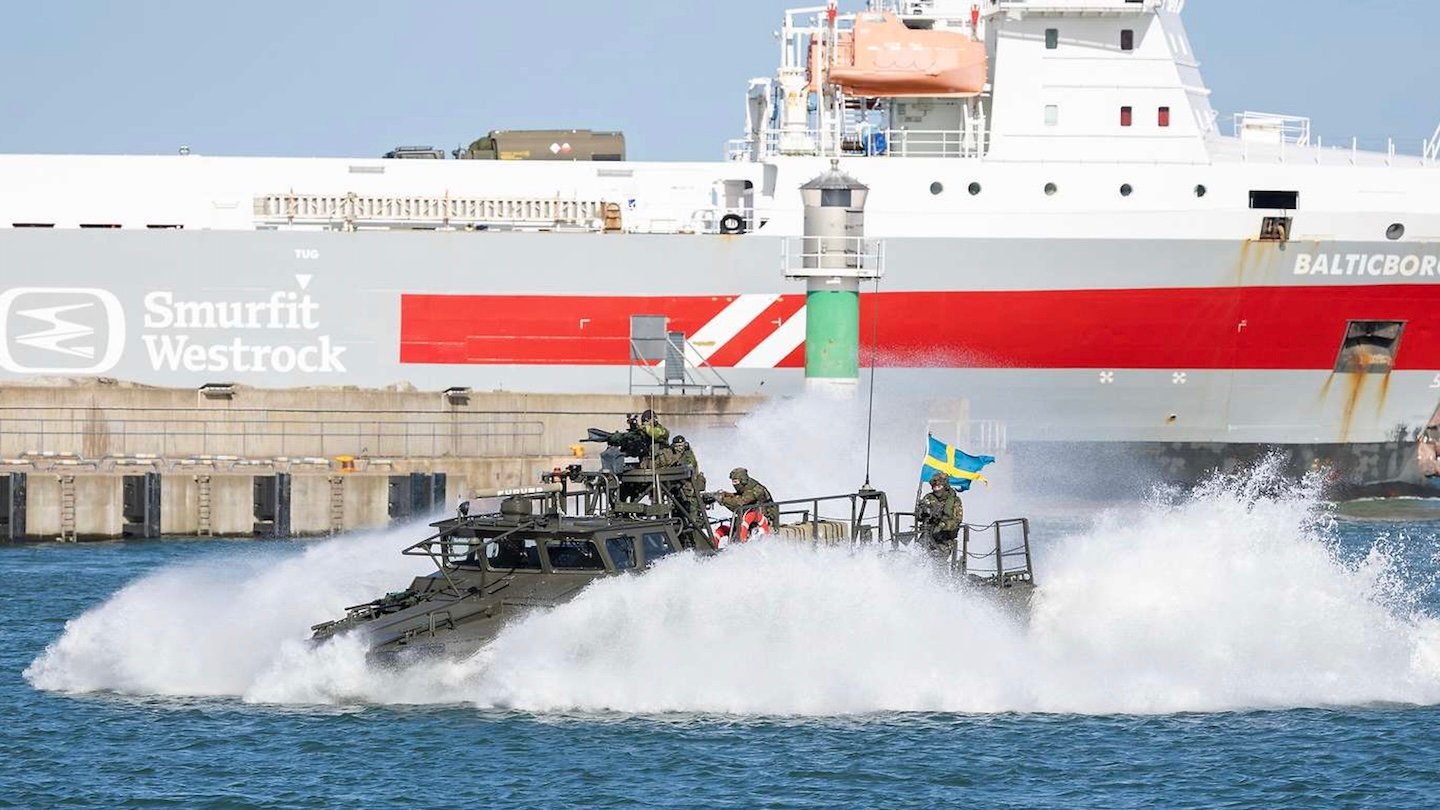
НАТО-гийн гишүүн орнууд бүс нутгийн аюулгүй байдлыг хангах хүрээнд тус арал руу цэрэг болон техник хэрэгслийг түргэн хугацаанд байршуулах чадавхаа анх удаа туршиж байна.
“Silver Wotan 2026” нэртэй энэхүү сургуулилт есдүгээр сарын 14-нөөс 23-ны хооронд үргэлжилж байгаа бөгөөд хуурай замын, тэнгисийн болон агаарын цэргийн хүчнийг хамарч байна. Сургуулилтын хүрээнд Герман улс цэрэг, техник хэрэгслээ Балтын тэнгисээр дамжуулан Готланд арал руу илгээж, Шведийн армийн нэгжүүдтэй нэгдэн арлын хамгаалалтыг бэхжүүлэх ажиллагааг гүйцэтгэж байна. Энэ нь холбоотны дэмжлэг хүссэн тохиолдолд цэргийн хүчийг түргэн шуурхай төвлөрүүлж, нэгдсэн сүлжээнд оруулах бүхий л үе шатыг шалгах зорилготой юм.
Готланд арал нь Балтын тэнгисийн төвд байрладаг стратегийн онцгой байршилтай тул НАТО-гийн бүс нутаг дахь үйл ажиллагааны эрх чөлөө, тандалт, агаарын болон тэнгисийн довтолгооноос хамгаалах ажиллагаанд чухал үүрэг гүйцэтгэдэг. Ялангуяа Оросын Калининград мужтай ойр оршдог тул тус арлыг бэхжүүлэх нь НАТО-гийн хойд болон зүүн жигүүрийн холбоосыг хадгалахад нэн чухал ач холбогдолтой юм. Сургуулилтад Германы 500 гаруй цэрэг оролцож байгаа бөгөөд Panavia Tornado сөнөөгч онгоц, тэнгисийн цэргийн нэгжүүд болон агаарын тээврийн Airbus A400M онгоцнуудыг дайчлан ажиллуулж байна.
Шведийн тал тус ажиллагааг урьдчилан төлөвлөсөн гэдгээ онцолсон ч Балтын тэнгисийн бүс нутаг дахь аюулгүй байдлын нөхцөл байдал хурцадмал байгаа энэ үед цэргийн хүчийг нэмэгдүүлж, хамгаалалтыг бэхжүүлэх чадвараа сорьж буй нь стратегийн ач холбогдолтой юм. НАТО бүс нутагт Оросын цэргийн идэвхжил болон эрлийз аюул заналхийлэл нэмэгдэж байгааг анхааруулж, гишүүн орнуудын цэргийн хүчин чадлыг нэмэгдүүлэх, ялангуяа АНУ-ын оролцоо багассан нөхцөлд Европын холбоотнууд өөрсдийн батлан хамгаалах чадавхаа бэхжүүлэх шаардлагатай байгааг тэмдэглэж байна.
Дэлгэрэнгүйг эх сурвалжаас харах
Эх сурвалжийг нээх ↓
Swedish and German forces are conducting what appears to be the first joint rehearsal of their rapid-reinforcement plans for the Baltic island of Gotland. The exercise is another step in Sweden’s defense planning for an island whose position in the middle of the Baltic gives it an outsized strategic importance for controlling access, protecting the Baltic states, and maintaining NATO’s freedom of movement in a region where Russian military activity remains a persistent concern.
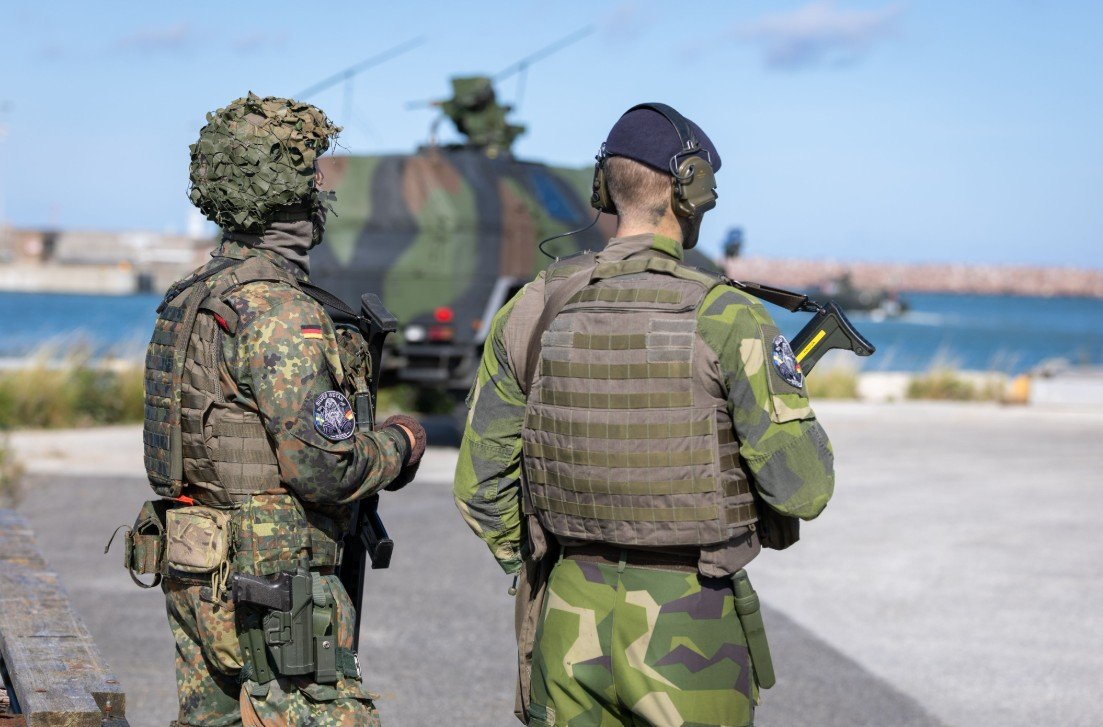
The exercise, Silver Wotan 2026, running between September 14-23, brings together Swedish and German forces across the land, maritime, and air domains. The scenario is built around a Swedish request for allied assistance, with German forces moving personnel and equipment across the Baltic before integrating with Swedish units already defending the island. The operation is testing the entire process of getting allied combat power to Gotland, protecting it during the movement to Visby, and rapidly incorporating it into the island’s existing defensive network.
A video shows troops coming ashore on Swedish CB90 fast assault craft, a type that German soldiers are also trained to operate:
A rapid deployment of German and Swedish forces to Gotland island is being carried out today. Units from
and
are rehearsing the swift reinforcement of the strategic island in order to ensure the security of the Baltic Sea.#SilverWotan#NATO pic.twitter.com/A0r3LF8XUP
— Försvarsmakten (@Forsvarsmakten) September 18, 2026
The strategic importance of Gotland has grown considerably following Sweden’s accession to NATO in March 2024, which was a direct response to the full-sclae Russian invasion of Ukraine.
Located approximately halfway between mainland Sweden and the Baltic states, the island occupies a central position in the Baltic Sea, close to the maritime approaches to the Gulf of Finland and within reach of the Russian exclave of Kaliningrad. Its location gives forces operating from Gotland a potentially significant position from which to conduct surveillance, air defense, and maritime operations, while also making the island an important part of the wider network connecting NATO’s northern and eastern members.
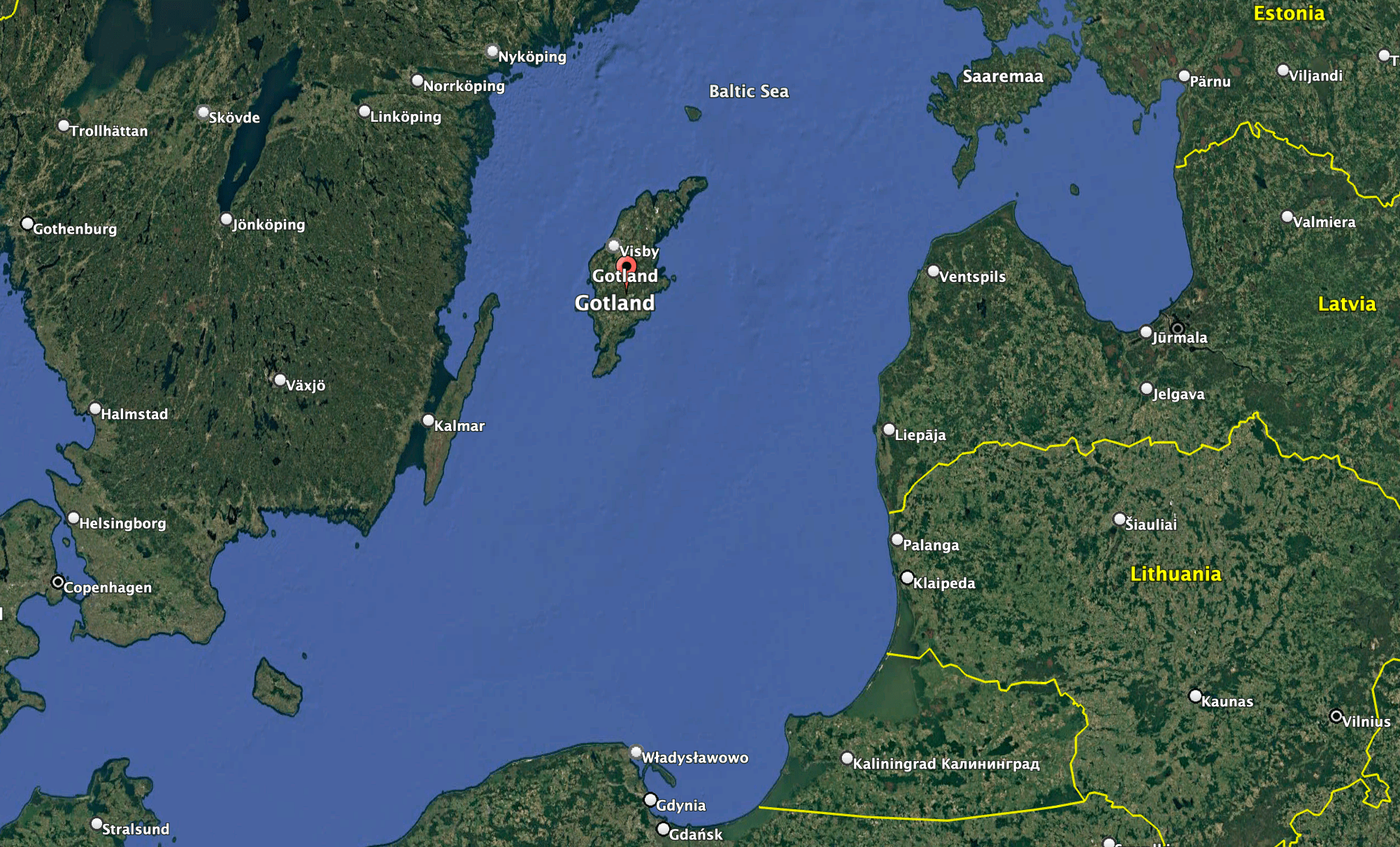
At the same time, Gotland sits within an extremely complex littoral environment, where shallow waters, islands, narrow maritime approaches, and the proximity of multiple states can make both offensive operations and defensive planning more difficult. The region has also been shaped by longstanding Swedish concerns about Russian clandestine activity, including intelligence gathering and other forms of covert or deniable activity. The complexity of the Baltic operating environment can make such activities harder to detect and attribute, adding another layer of uncertainty alongside the more conventional military challenges facing the region.
Geography has long made Gotland important to Swedish defense planning, but its significance has taken on a broader dimension since Sweden joined the alliance. NATO has described the island as strategically important to its freedom of maneuver in the Baltic, while Swedish officials have highlighted its potential role as a hub for military operations and logistics in the region.
The current exercise is designed around the practical difficulties of reinforcing such a position.
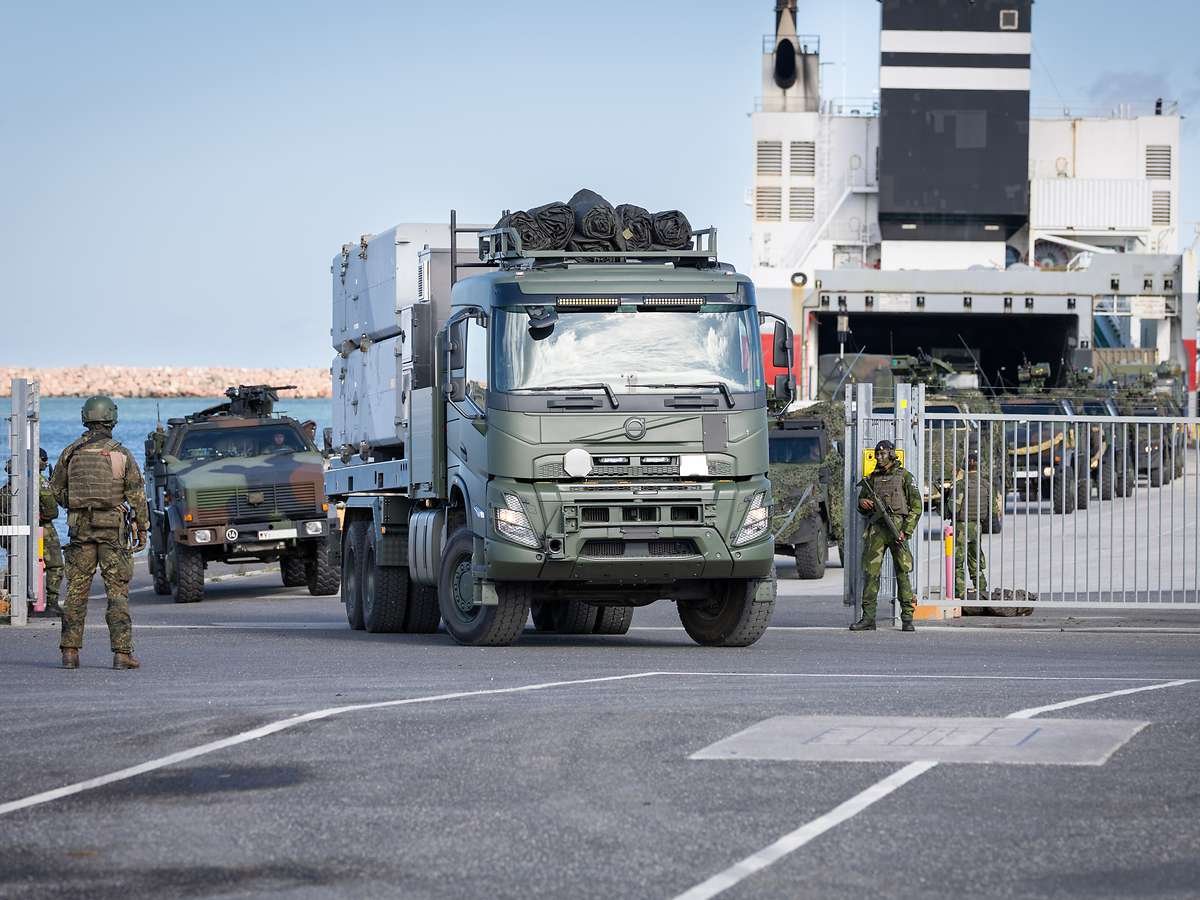
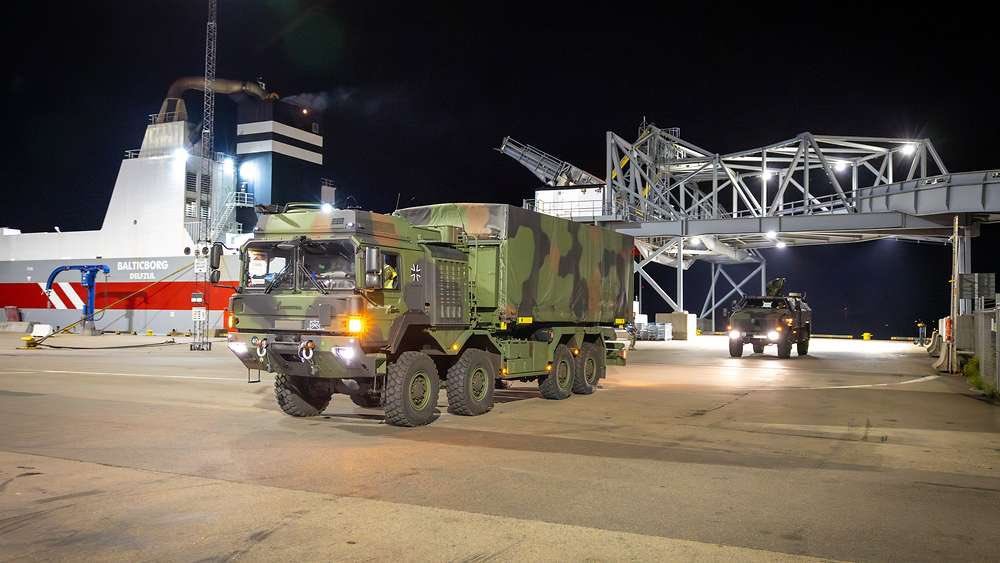
Military equipment is being transported by sea to Visby, Gotland’s principal port, including by commerical ferry. In Visby, Swedish and German personnel are securing the harbor and conducting the reception of the arriving force. Among the equipment being moved are air defense systems, while Swedish forces are also operating coastal defense systems armed with anti-ship missiles.
Meanwhile, publicly available flight-tracking data showed German Luftwaffe transport aircraft, including at least one Airbus A400M airlifter, apparently involved in the effort. The commercial airport at Visby has long also been used for military activities related to Gotland and the wider Baltic region.
The movement is supported by Swedish and German naval forces and other aircraft, creating a scenario in which the maritime transit, protection of the port, air operations, and subsequent movement of troops and equipment ashore all form part of the same military problem. Once ashore, the arriving forces have to be moved into position and integrated with Swedish units already responsible for defending the island.
The Swedish Gotland Regiment, P 18, provides the core of the island’s permanent military presence. The regiment, Sweden’s youngest and smallest, has been rebuilding its capabilities since Sweden began expanding its military presence on Gotland. Its forces form the basis of the ground-defense structure into which allied reinforcements would be incorporated.
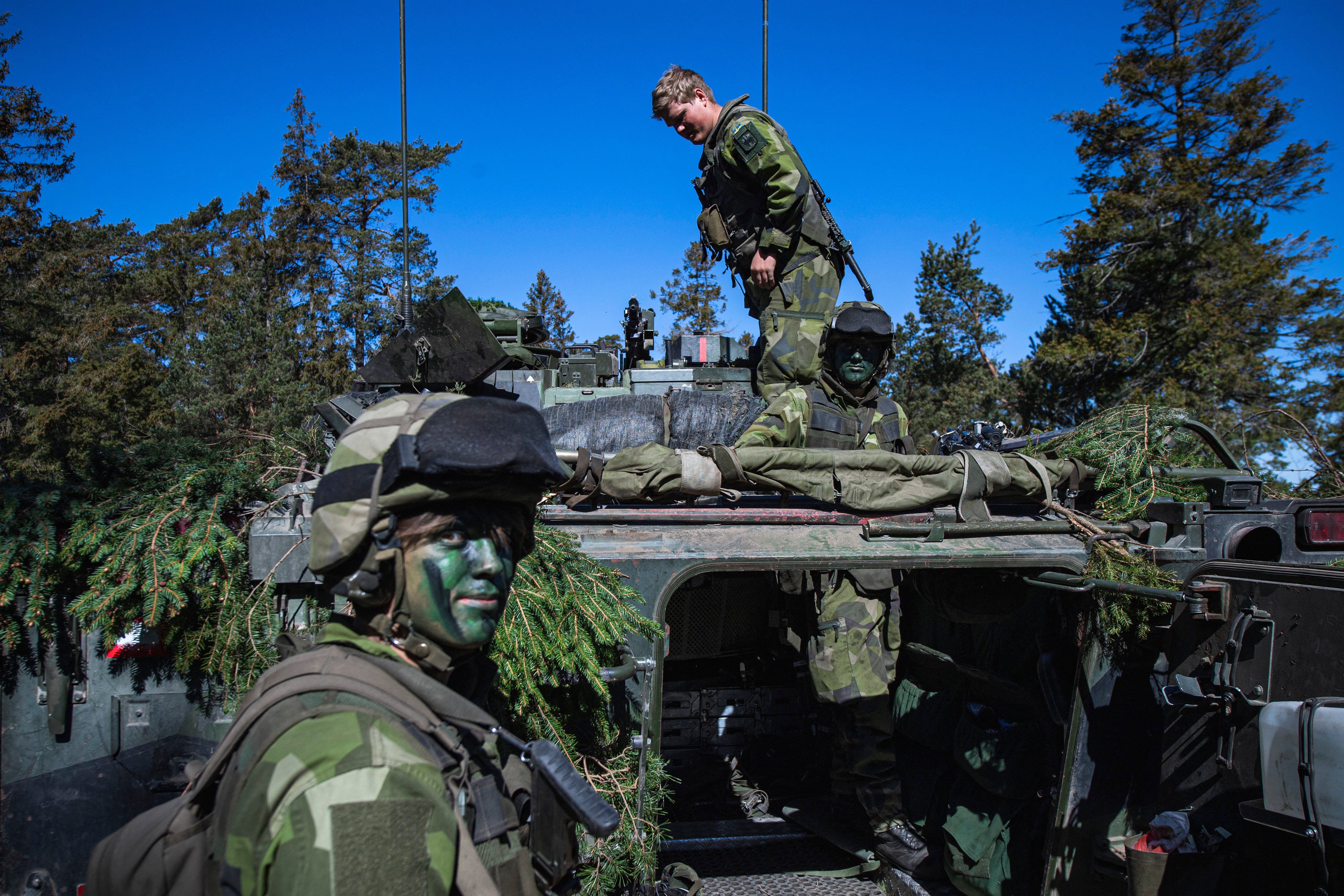
Swedish coastal defense capabilities are another important element of the drill. Land-based anti-ship missiles provide the island with a means of threatening hostile surface vessels operating in the surrounding waters, giving the defense of Gotland a direct connection to the wider maritime battle for the Baltic. During Silver Wotan, Swedish and German forces are also conducting anti-surface warfare activities alongside the broader reinforcement operation.
Germany is contributing more than 500 troops to the exercise, part of approximately 2,000 Bundeswehr personnel involved, including elements from the army, navy, and air force. The German Luftwaffe has deployed Panavia Tornado aircraft for surveillance, while German naval forces are participating in the maritime component, and German ground personnel are involved in the reinforcement and security activities on Gotland.
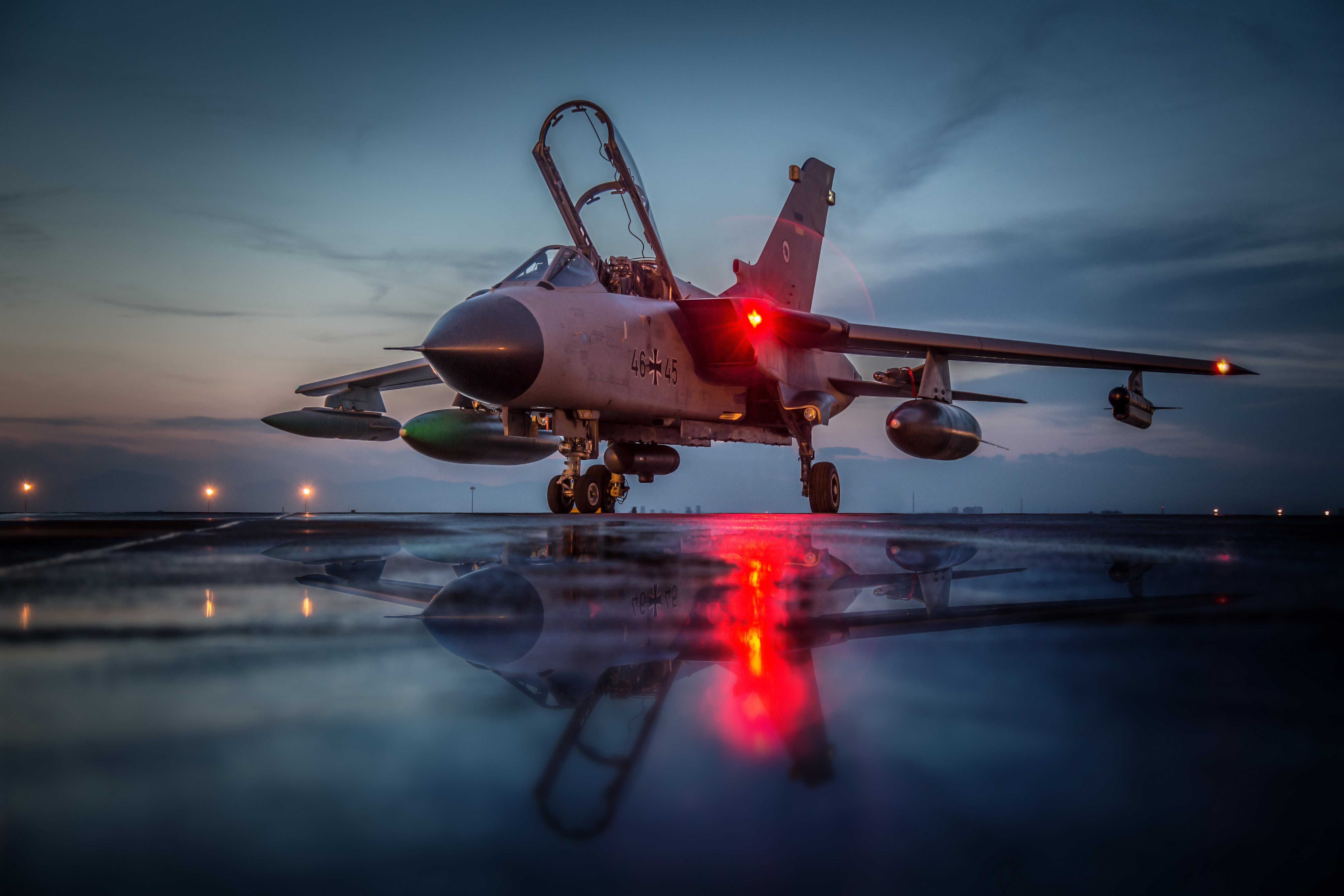
The exercise scenario is particularly relevant against the backdrop of Russia’s continuing military presence in the Baltic region.
Russia maintains major military infrastructure in Kaliningrad, including naval, air, missile, and air defense capabilities, while the Russian Baltic Fleet operates from bases in the region. Kaliningrad’s position between Poland and Lithuania gives Moscow a significant military foothold inside the NATO area, while Russian forces and military infrastructure elsewhere along the Baltic add to the complexity of operating and reinforcing allied territory in the region.
The security environment around the Baltic has also deteriorated considerably since Russia’s full-scale invasion of Ukraine. NATO has increased its surveillance and military activity in the region, including the launch of Baltic Sentry in January 2025 following a series of incidents involving critical undersea infrastructure. The alliance has subsequently expanded efforts to monitor maritime activity and protect infrastructure and sea lines of communication.
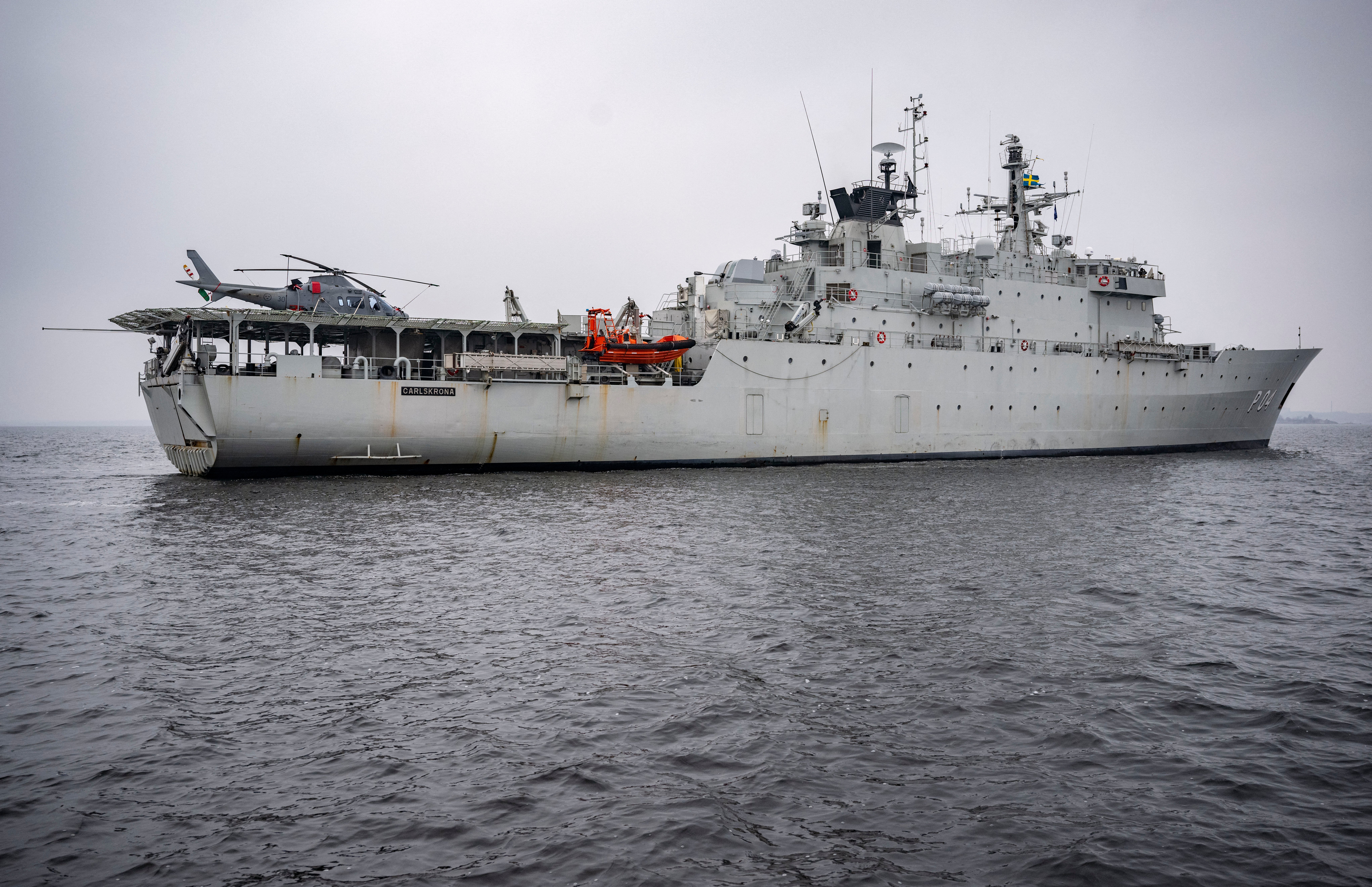
Swedish authorities have stressed that Silver Wotan was planned in advance and is not being conducted in response to a specific imminent Russian threat. The exercise nonetheless reflects the operational environment in which Swedish and NATO planners now have to consider the possibility that maritime and air movements across the Baltic could be monitored, disrupted, or contested.
The exercise also builds on a series of increasingly large Swedish-led activities designed to test the reception of allied forces on Swedish territory. During Aurora 26 earlier this year, more than 18,000 troops from 13 countries participated in operations across Sweden, including the deployment of allied forces to Gotland alongside the Gotland Regiment and Swedish Home Guard. NATO described that activity as an emergency deployment intended to test the reinforcement of the island.

Silver Wotan places a more concentrated emphasis on the Swedish-German relationship and on the movement of an allied force into the island’s existing defensive structure.
Germany’s participation is also consistent with its growing military role in the Baltic and along NATO’s northeastern flank. Berlin is already providing forces for NATO’s forward defense in Lithuania and has increasingly emphasized the ability to move German forces rapidly across northern Europe in support of allied operations.
For Sweden, meanwhile, Gotland has become one of the clearest examples of how NATO membership has changed the country’s defense planning. The island remains a Swedish responsibility, but its location means that what happens there has consequences well beyond Sweden’s territorial defense.
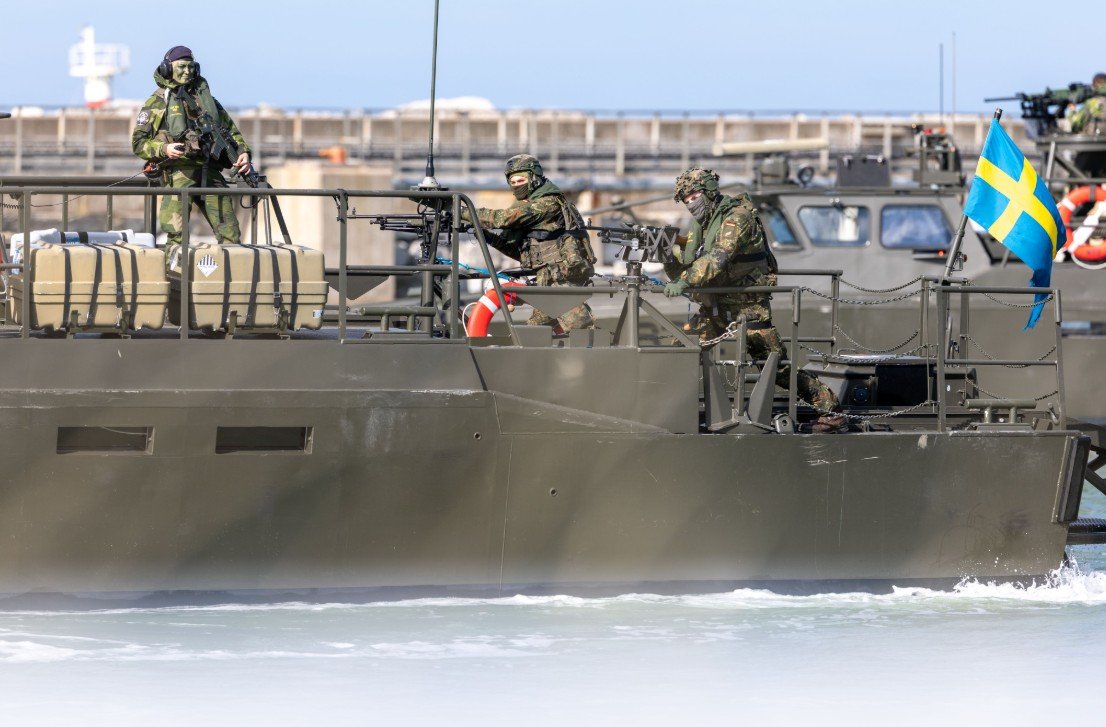
A defended and adequately supplied Gotland provides NATO with a strategically positioned base for surveillance and defensive operations in the Baltic, while the ability to reinforce it demonstrates that the alliance can maintain access to the island even as the surrounding maritime and air environment becomes more contested.
The exercise comes as European allies are being forced to plan for a NATO in which the United States may provide less of the conventional military weight it has supplied for decades. The Pentagon is reviewing the size and posture of U.S. forces in Europe, including the forces and capabilities Washington would make available in a European crisis, while NATO’s top commander has said further U.S. troop withdrawals should be expected as European allies build up their own conventional capabilities.
At the same time, the alliance now describes Russia as its most significant and direct security threat, citing military activity alongside airspace violations, sabotage, cyber operations, and other forms of hybrid pressure. There are also growing concerns that Russia could try something in the Baltics, while it continues to step up its gray-zone activities regardless. NATO officials have warned that Russia could rebuild enough military capacity to pose a more serious conventional challenge to the alliance before the end of the decade.
For Sweden and Germany, the Silver Wotan exercise is a practical test of how quickly European forces can reinforce and defend one of the Baltic’s most strategically important positions. As the security environment grows more contested and Europe prepares for a future in which U.S. forces may not be as readily available, the ability to move allied combat power across the region and integrate it into existing defenses is becoming an increasingly important part of NATO’s deterrence.
Contact the author: thomas@thewarzone.com
The post German Forces Surge Onto Baltic Island In First-Of-Its-Kind NATO Drill appeared first on TWZ.

