Ойрхи Дорнодын бүс нутагт хүчирхийлэл даамжрах эрсдэл нэмэгдэж байгаатай холбогдуулан АНУ-ын Төрийн департамент тус бүс нутагт байгаа иргэддээ аюулгүй байдлын сэрэмжлүүлэг гаргалаа.
Иран улс АНУ-ыг өөрийн нутаг дэвсгэрт дахин бөмбөгдөлт хийхээр төлөвлөж буй тагнуулын мэдээлэл авсан гэж мэдэгдсэний дараа бүс нутгийн Засгийн газрууд болзошгүй мөргөлдөөнд бэлтгэж байна. АНУ-ын Ерөнхийлөгч Дональд Трамп “тун удахгүй маш том үйл явдлууд болох гэж байна” хэмээн мэдэгдэж, Ирантай харилцахдаа эдийн засгийн хориг арга хэмжээ авах эсвэл хэлэлцээр хийх зэрэг олон сонголтыг авч үзэж байгаагаа илэрхийлэв. Хариуд нь Ираны Хувьсгалт гвардийн корпус хэрэв халдлага гарвал бүс нутаг дахь АНУ-ын бүх цэргийн бааз болон ашиг сонирхолд хязгаарлалтгүйгээр цохилт өгөхөө анхаарууллаа.
Энэхүү хурцадмал байдал нь Йемений Хути босогчид Саудын Арабын нийслэл Эр-Рияд болон газрын тосны байгууламжууд руу халдсаны дараа эрчимжсэн юм. АНУ Хути босогчдыг Ираны дэмжлэгтэй бүлэглэл гэж үзэж байгаа ч Тегеран үүнийг няцааж байна. Мөн Ираны Үндэсний аюулгүй байдлын дээд зөвлөлийн нарийн бичгийн дарга Мохсен Резаеи Ираны газрын тосны боомтуудын бүслэлтийг цуцлах, хориг арга хэмжээг зогсоох зэрэг энх тайвныг тогтоох долоон нөхцөлөө хэвээр хадгалж байгаагаа мэдэгдлээ.
НҮБ-ын Ерөнхий ассамблейн чуулганы өмнө АНУ-ын зүгээс бүс нутгийн холбоотнуудтайгаа харилцах харилцаа болон аюулгүй байдлын баталгааны асуудал анхаарлын төвд байна. Дональд Трамп НҮБ-ын чуулганы үеэр Ираны Ерөнхийлөгч Масуд Пезешкиантай уулзахад бэлэн байгаагаа илэрхийлсэн боловч Ираны тал АНУ-тай шууд хэлэлцээ хийхээс татгалзсаар байгаа юм. Одоогоор бүс нутгийн нөхцөл байдал тогтворгүй хэвээр байгаа бөгөөд дипломат хүчин чармайлт болон цэргийн ажиллагааны аль аль нь тодорхойгүй байна.
Дэлгэрэнгүйг эх сурвалжаас харах
↓Эх сурвалжийг нээх ↓
Governments across the Middle East are bracing for an escalation of violence after Iran claimed it had received intelligence that the US was preparing for a renewed bombing campaign against the Islamic Republic.
In a potential sign of growing tensions before the UN general assembly in New York this week, Donald Trump cut short a weekend visit to the Camp David presidential retreat on Sunday with no official explanation, and a new security alert was issued by the state department to all US citizens in the Middle East.
Keeping his options open, Trump reportedly told a Fox News reporter “very big things are going to be happening in the not-so-distant future” and that the options he was considering were “wiping Iran out, letting them rot economically or making a deal”.
The Islamic Revolutionary Guards Corps warned that if an attack does take place, “all US bases and interests in the region will become targets of continuous, effective and painful attacks without any limitations or considerations”.
Iran’s leaders also pledged some of the reprisals could extend as far as US naval forces in the Indian Ocean, and accused some Gulf leaders of “double dealing” by allegedly giving a green light to the US attacks.
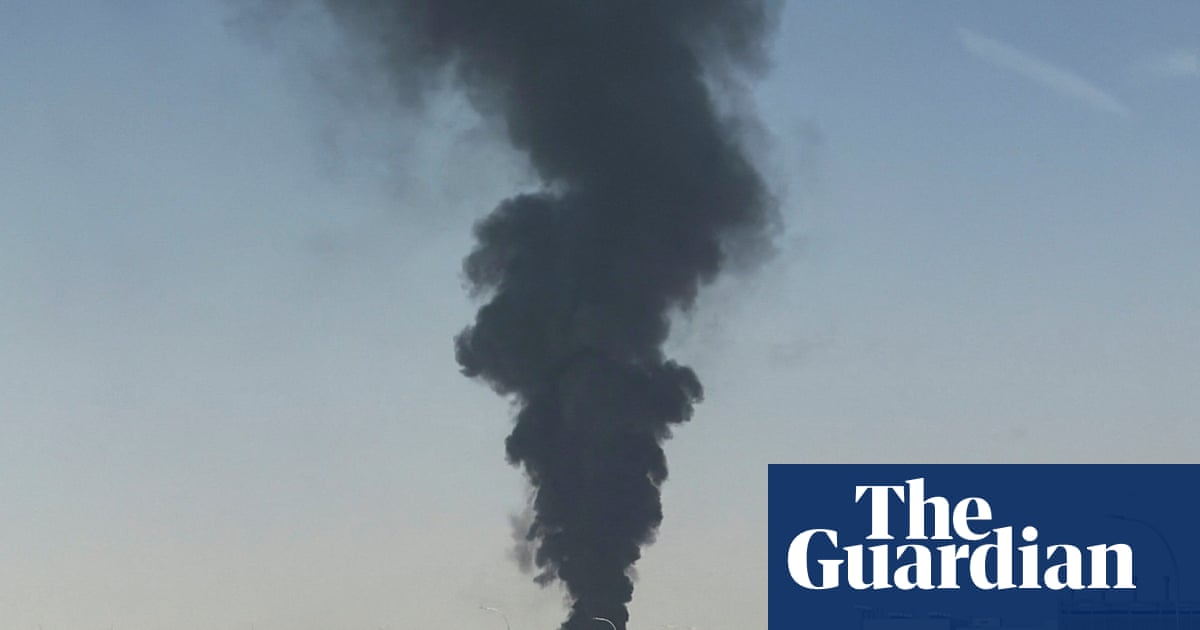
The outburst of sabre rattling appears to have been prompted by attacks on the Saudi capital Riyadh by Yemen’s Iranian-backed Houthi rebels. The barrage on Saturday marked the first time the capital’s Aramco oil facilities had been subject to such a sustained attck since the Saudi Houthi ceasefire broke down in June. Riyadh insisted it had intercepted the missiles, but local photographs show smoke pouring from the Aramco facility. The port of Yanbu, vital for Saudi oil exports, was also targeted.
The US largely regards the Houthis as a proxy Iranian force and argues that the group’s attacks on Riyadh would not happen without Tehran’s approval, a claim Iran denies.
Trump last week provoked profound questions about the level of US commitment to its Middle East allies when he spurned a call by the Saudi Crown Prince Mohammed bin Salman asking the US to come to Saudi’s direct military help.
The Saudis wanted US aid after the Houthis suddenly captured strategic ports along Yemen’s west coast overlooking the Red Sea, giving the Houthis control of the Bab al-Mandab strait, the narrow waterway that takes commercial shipping through the Red Sea towards Asia.
On the other side of the Arabian peninsular, the strait of Hormuz between Iran and Oman is already effectively closed to western traffic and the pressure on European energy supplies is growing by the day, leading states such as France to take emergency measures to prevent fuel shortages.
In a bid to keep the US out of its war with Saudi Arabia, the Houthis had given commitments to US officials that it would only target Saudi-related shipping in the Red Sea, an undertaking that Trump appeared to regard as sufficient to ensure essential US interests would be protected and that the US need not become involved militarily.
Pressure on the Pentagon budget and dwindling munitions supplies due to the Iran conflict have also made the US reluctant to broaden the theatre of war. Successive bombing campaigns have not dislodged the Houthis, whose lighting advance to the Red Sea coast took the Saudi-backed Yemeni forces by surprise.
Trump appeared to disregard the wider security threat by telling Fox News “The US is in constant contact with the Houthis and they have agreed not to go to war with the US.”
The Houthi government said 318 ships passed through the strait from 10-18 September.
Trump is due to meet the six member states of the Gulf Cooperation Council when he attends the UN general assembly in New York, in a meeting that is likely to cover Iran, Yemen, Gaza and the future of the US security guarantee.
Trump said he was also open to a meeting with Iran’s president, Masoud Pezeshkian, in New York, an encounter that would probably be rejected by the Iranians, who refuse to negotiate directly with the US, operating instead largely through mediators. Pezeshkian is one of many world leaders due to address a general assembly that is likely to be dominated, on the sidelines at least, by Trump’s Middle East crisis.
In the first sign of a potential change of White House thinking about renewing US military action, the state department issued a security alert on Saturday to US citizens across the region warning “the security environment remains complex with potential for unforeseen escalation. American citizens in the Middle East should exercise heightened vigilance.”
Hizam al-Assad, a member of the Houthi political bureau, said the attacks on Riyadh are a response to “hundreds of airstrikes that Riyadh had carried out against the people of Yemen”.
In a lengthy statement to parliament on Sunday, Mohammad Ghalibaf, Iran’s chief negotiator, insisted that Iran was not interested in waging a forever war with the US. But the new secretary of the supreme national security council, Mohsen Rezaei, a hardliner, told Al Jazeera that Iran’s seven preconditions for peace – which include the US lifting its blockade of Iran oil ports, the restoration of its frozen assets and the lifting of sanctions on Iranian oil exports – remained.
Rezaei also expressed his anger with the Gulf states, saying they had been invited to a meeting in Salahah in Oman last week to approve the agreed Oman-Iran plan for a new authorised shipping route through the Strait of Hormuz, but Saudi Arabia rejected attendance. He said: “We invited them to the Salahah meeting and they reciprocated with a secret meeting in Germany with US Central Command and Israel.”
Despite the Houthi victories last week, forces allied to the UN-recognised government of Yemen claimed to be pushing back against the Houthis across the country with 75 Houthi soldiers killed on Saturday alone.

