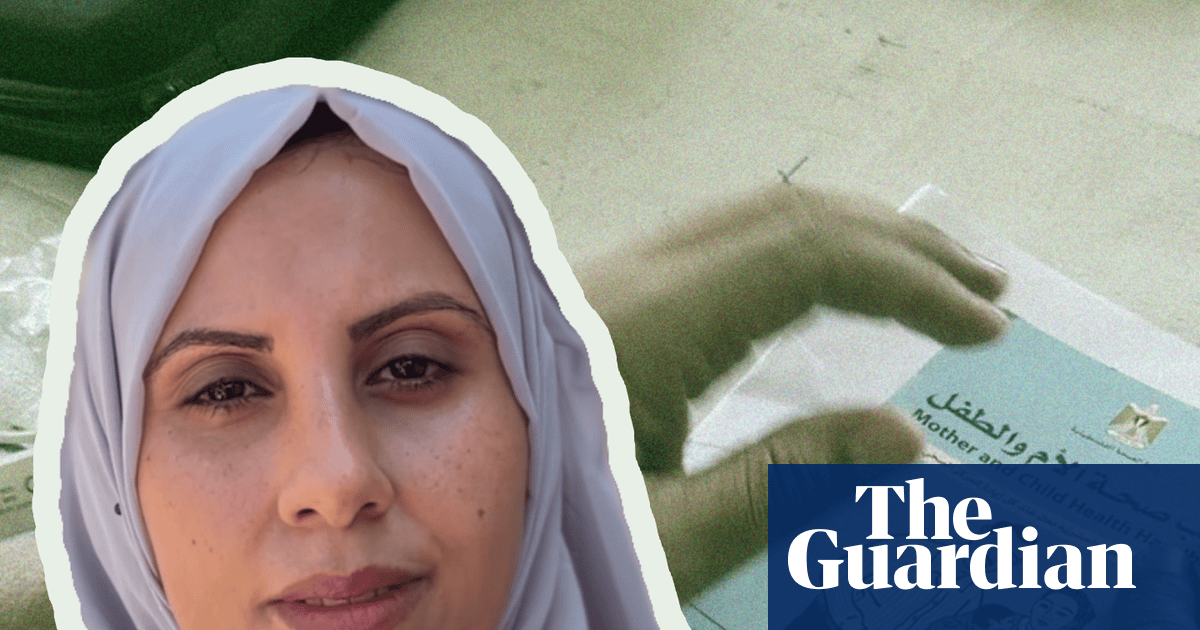
Газын зурваст үргэлжилж буй мөргөлдөөний улмаас гэр орон, үр хүүхдээ алдсан иргэдийн амьдрал туйлын хүнд нөхцөл байдалд үргэлжилж байна.
Газын зурваст дөрөв дэх жилдээ үргэлжилж буй мөргөлдөөний улмаас энгийн иргэдийн амьдрал ахуй бүрэн сүйджээ. Израйлын агаарын цохилтын улмаас гэр бүл, үр хүүхдээ алдсан Алаа Хесси одоо майханд амьдарч байгаа бөгөөд хоол хүнс, түлш шатахууны хомсдол, аюулгүй байдлын дордолттой нүүр тулж байна.
Дайн эхэлснээс хойш Газын зурваст хоолны газрын хий нэвтрэхийг хориглосноор иргэд түлээ түлж, задгай гал дээр хоол хүнсээ бэлтгэж байна. Майхан суурингуудад хувийн орон зай, аюулгүй байдал гэх зүйл үгүй болж, иргэд Израйлын армийн байрлал руу ойрхон, байнга түгшүүртэй амьдарч байгааг нутгийн оршин суугчид хэлж байна.
Жирэмсэн эмэгтэйчүүдийн хувьд эрүүл мэндийн тусламж үйлчилгээ авах нь ч хүндрэлтэй байна. Алаа Хесси эмнэлгийн зориулалтын бус майханд жирэмсний хяналтад орж, хоол тэжээлийн дутагдал болон сэтгэл зүйн хүнд дарамтыг давж гарахаар тэмцэж байна.
Мөргөлдөөний улмаас амиа алдсан үр хүүхдүүдийнхээ дурсамжийг хадгалж, шинээр мэндлэх хүүхдээ эрсдэлээс хамгаалахыг хүсэж буй эхчүүдийн түүх Газын зурваст элбэг тохиолдох болжээ. Алаа Хесси нь энэхүү сурвалжлага бэлтгэгдсэний дараахан хүү төрүүлж, түүндээ өмнө нь амиа алдсан хүүгийнхээ нэрийг өгсөн байна.
Дэлгэрэнгүйг эх сурвалжаас харах
↓Эх сурвалжийг нээх ↓
As the war in Gaza approaches its fourth year, this week, the Guardian follows five ordinary Palestinians as they go about their lives. Each will tell the story of their day, revealing the terrible toll of the ongoing conflict.
Alaa Hessi takes each step deliberately: raises her foot to land heavily on the stair above, takes a breath, slides her hand up the railing. Resting atop an uneven mess of rubble, the wooden staircase judders with each motion. Her movements are slowed by the heavy melon of her pregnant belly.
At the top of the stairs, she pauses for breath, then walks on to the platform that once formed the upper storey of her family’s home. A tent is pitched where the house stood. Beneath her feet are the ruins of the house where she raised her three children, Waseem, 10, Mohannad, 7, and Khawla, 5. And where they died, all three killed by an Israeli airstrike that levelled the home.
In about one month*, Alaa will give birth again.
Daybreak
double quotation mark The sound that wakes me in the morning is the buzzing of flies inside the tent, and the noise of our neighbours.
Privacy in the tents is nonexistent, as is safety. Everyone here hears each other’s secrets. We hear people when they go to the bathroom. We can even hear them breathing. The window of my tent faces the yellow line directly. You can see the Israeli army positions from here, and sometimes they fire at us.
My husband and I love drinking tea in the morning, but making tea has become a challenge, because Israel has prevented cooking gas from entering Gaza and gas is extremely scarce. We still rely on firewood and open flames for cooking and preparing hot drinks. Gathering wood and making a fire is enough to exhaust me.
After I drink my tea, I tidy the tent and try to cook as early as possible before the sun becomes too intense. I also hand-wash my husband’s clothes and my own, which is physically exhausting now that I am eight months pregnant*.
Morning
Alaa opens the window – a tarpaulin flap at the side of the tent. A hole out into open air. As her eyes adjust to the brightness, it is clear that everything, as far as can be seen, is destroyed. The landscape is a mass of shattered concrete and twisted steel.
double quotation mark Today, I have a prenatal appointment, to check on the baby’s progress.
The place is far away, and I walk there – usually there is no vehicle that can give me a ride. It’s 34C, and walking through bombed streets filled with rubble and insects in the heat of the day is extremely hard. The place where I get prenatal care is a tent, not a proper healthcare facility.
The doctors have prescribed me nutritional supplements for my pregnancy. I have been pregnant before, and I can tell this pregnancy is different: no matter how much I try to make up for the nutritional deficiencies and food deprivation I lived through in the war, my body remains exhausted. Food is scarce. My husband buys me fruits and vegetables and refuses to eat them himself, because he can only afford small amounts.
When I learned that I was pregnant, I felt two completely opposite emotions. I was happy that I would have a child, but I also cried constantly because I missed my children – Waseem, Mohannad and Khawla. Everything reminds me of them. When I crave certain foods, I remember Waseem, because I loved those foods when I was pregnant with him.
I do not tell nurses at the clinic about my circumstances and my children who died, because even the healthcare workers are emotionally exhausted. They are unable to offer comfort or psychological support. My story is not unusual in Gaza. Many women here have lost their children.
After the appointment with the nutritionist, I also have an appointment with the maternity psychologist. They tell me to focus on my breathing: take a deep breath, hold it and let it out slowly.
Then I walk home.
Afternoon
Tackling the stairs again, Alaa heaves a blue backpack up to the tent. It contains some of her dead children’s clothes, which she hopes the new baby might someday wear. Many of them were damaged by the bomb blast – ripped, their edges burned, but still wearable. She carefully unfolds a Snoopy T-shirt and a hat with two fluffy pompoms, pulls out a scarf for Castleview AFC – a small football club in Cork – that her son Waseem treasured. “He wore it all the time, even in summer. I would say, ‘Waseem it’s too hot, take it off!’ And he would say, “No, I love it.’”
double quotation mark I spend the afternoon with my brother, trying to decide how to store the clothes for the new baby.
He suggests a sturdy cardboard or wooden box. The thing that we are worried about is the rats: the rats are everywhere. We hear them every night, and they always find their way into the tent. I sewed up the place where they entered, and they chewed a new way in – today we found another hole in the side of the tent.
I wonder if we could use rat poison, but my brother fears that then the rats will die here in the tent and spread disease.
For the baby who’s coming, all I want is a safe place where the rats can’t reach. The baby will be so small, and I am terrified for him. I would like to have a proper crib for him, but cribs are hard to find in Gaza now, and the tent is already overcrowded.
What I wish the world outside Gaza understood is how humiliating life in a tent really is. It is difficult, degrading and profoundly inhumane. Death still surrounds us in every direction.
Evening
As late afternoon approaches, Alaa scrolls through her photos of her children. The smartphone that holds them, like so many in Gaza, is old, and its screen is cracked – after a long blockade, new smartphones are now being shipped in, but they are expensive, and many families cannot afford them. The children’s voices chime thinly from the speaker. Khawla and her older brother teasing each other. “Mama, I’m the sweet one!” Khawla shouts. Mohannad laughs, calls back: “No – I’m the sweet one!”
double quotation mark I only really speak about my children with my husband. He is the only person who carries the same pain and truly understands what is in my heart.
When I become weak, he gives me strength. When he struggles, I try to comfort him and support him emotionally. We spend hours talking about our children – their personalities, the things they loved and the way they behaved. We even visit their graves together.
This place still holds the memories of my children. It reminds me of our beautiful life together before. When I look at this rubble, I remember my children – the life I shared with them, raising them, preparing food for them and teaching them. Everything beautiful disappeared after they were gone.
Sometimes, fear controls me because I lost my children, and I’m afraid of losing my baby again. I hope my new baby will live a better life than the one his siblings experienced, and that he will be safe.
* Shortly after this story was reported, Alaa gave birth to a healthy baby boy. She named him Waseem, after his older brother.
Credits
Video: Tantesh Media Services
Art direction: Harry Fischer, Anaïs Mims, Barry Ainslie and Alessia Amitriano
Video editor/producer: Joshua Jacob
Video executive producers: Temujin Doran and Augusta Anthony
Additional reporting and research: Aseel Mousa and Harriet Barber

