Дэлхийн цаг уурын өөрчлөлттэй холбоотойгоор эрчимжиж буй “супер” Эль-Ниньо үзэгдлийн нөлөө ОХУ-ын эдийн засагт хэрхэн тусах талаарх асуудал анхаарал татаж байна.
НҮБ-ын Ерөнхий нарийн бичгийн дарга Антонио Гутерриш Номхон далайн төв болон зүүн хэсгийн усны температур нэмэгдэж буйтай холбоотойгоор дэлхий дахинд ноцтой сэрэмжлүүлэг өгөөд байна. Энэхүү байгалийн үзэгдэл нь наймдугаар сарын байдлаар 2.7 хэмд хүрсэн бөгөөд 11-12 дугаар сарын хооронд 4 хэм хүртэл өсөх магадлалтай байгаа юм. Дэлхийн цаг уурын байгууллагын мэдээлснээр, 2027 оны хоёрдугаар сар хүртэл үргэлжлэх энэ удаагийн Эль-Ниньо нь түүхэн дэх хамгийн хүчтэй үзэгдэл болж болзошгүй байна.
ОХУ-ын хувьд газар зүйн байршлын хувьд Номхон далайн бүсээс алслагдмал тул цаг уурын энэхүү өөрчлөлт нь тус улсад шууд сүйрэл авчрахгүй гэж шинжээчид үзэж байна. Тухайлбал, 1997-1998 онд тохиолдсон хүчтэй Эль-Ниньогийн үеэр ОХУ-д Каспийн тэнгисийн усны түвшин нэмэгдэх зэрэг бага зэргийн өөрчлөлтүүд гарсан ч бусад бүс нутагт тохиолдсон шиг гамшиг болоогүй юм. Энэ өвөл Европын Оросын нутаг дэвсгэрт цас их орох төлөвтэй байгаа ч олон улсын цаг уурын загварууд тус улсын өвлийн нөхцөл байдлын талаар холимог таамаглал дэвшүүлж байна.
ОХУ-ын эдийн засагт энэхүү үзэгдлийн шууд нөлөөлөл бага байх төлөвтэй ч дэлхийн зах зээл дэх хүнс болон эрчим хүчний үнийн хэлбэлзэл дам байдлаар сөрөг нөлөө үзүүлэх эрсдэлтэй байна. Өнгөрсөн хугацааны томоохон Эль-Ниньо үзэгдлүүд дэлхийн эдийн засагт их хэмжээний хохирол учруулж байсан туршлагатай. Иймд ОХУ-ын хувьд дотоодын хөдөө аж ахуйн салбарт цаг уурын шууд гамшиг тохиолдохоос илүүтэйгээр, олон улсын эдийн засгийн тогтворгүй байдлын “давалгаа” нь амьжиргааны өртөгт нөлөөлөх магадлал өндөр байна.
Дэлгэрэнгүйг эх сурвалжаас харах
↓Эх сурвалжийг нээх ↓
UN Secretary-General António Guterres warned earlier this summer that “El Niño is being supersized before our eyes” and called on countries to end their dependency on planet-heating fossil fuels.
“The world must treat it as the urgent climate warning it is. El Niño conditions will pour fuel on the fire of a warming world. Impacts will hit even harder, travel even farther, and cross borders with devastating speed,” Guterres said.
But a very strong El Niño does not mean that every region will be hit with equal force. So how will Russia fare?
El Niño involves the heating of the central and eastern equatorial Pacific Ocean. It happens every few years and is part of a natural climate cycle that alternates between a warm phase — El Niño — and a cool phase, known as La Niña.
A cargo ship approaches the Agua Clara Locks to transit the Panama Canal as tree trunks emerge from the water amid declining water levels due to a lack of rainfall linked to El Niño in Gatun Lake, Panama, Aug. 30, 2026.
REUTERS / Enea Lebrun
During El Niño, the warmer ocean water drives major changes in global weather patterns, including drought and heightened wildfire risk in Southeast Asia and Australia, as well as heavy rainfall in parts of South and North America.
Scientists classify El Niño as “super” when the ocean heating reaches or exceeds +2 degrees Celsius for a few months. The current El Niño reached +2.7 C by August, and some forecasts say it could top out at an astonishing 4 C when it peaks somewhere between November and December.
While scientists have not established that man-made climate change is increasing or intensifying El Niño, it is true that a warmer atmosphere and ocean can amplify its effects since burning fossil fuels increases the heat and moisture that power extreme weather.
Several super El Niño events have occurred in recent decades, including in 2014-16, 1997-98 and 1982-83. According to the World Meteorological Association, the current super El Niño is on track to become the strongest on record and is expected to continue through February 2027.
The strengthening El Niño is already being felt across the globe. India is experiencing its weakest monsoon in two decades, while meteorologists point to the phenomenon as a primary factor behind an unusually quiet Atlantic hurricane season.
Cracked ground and shallow water are visible at the dried-up Guarne Lagoon in Arvi Park amid drought conditions linked to El Niño, in Medellin, Colombia, Sept. 3, 2026. REUTERS / Juan David Duque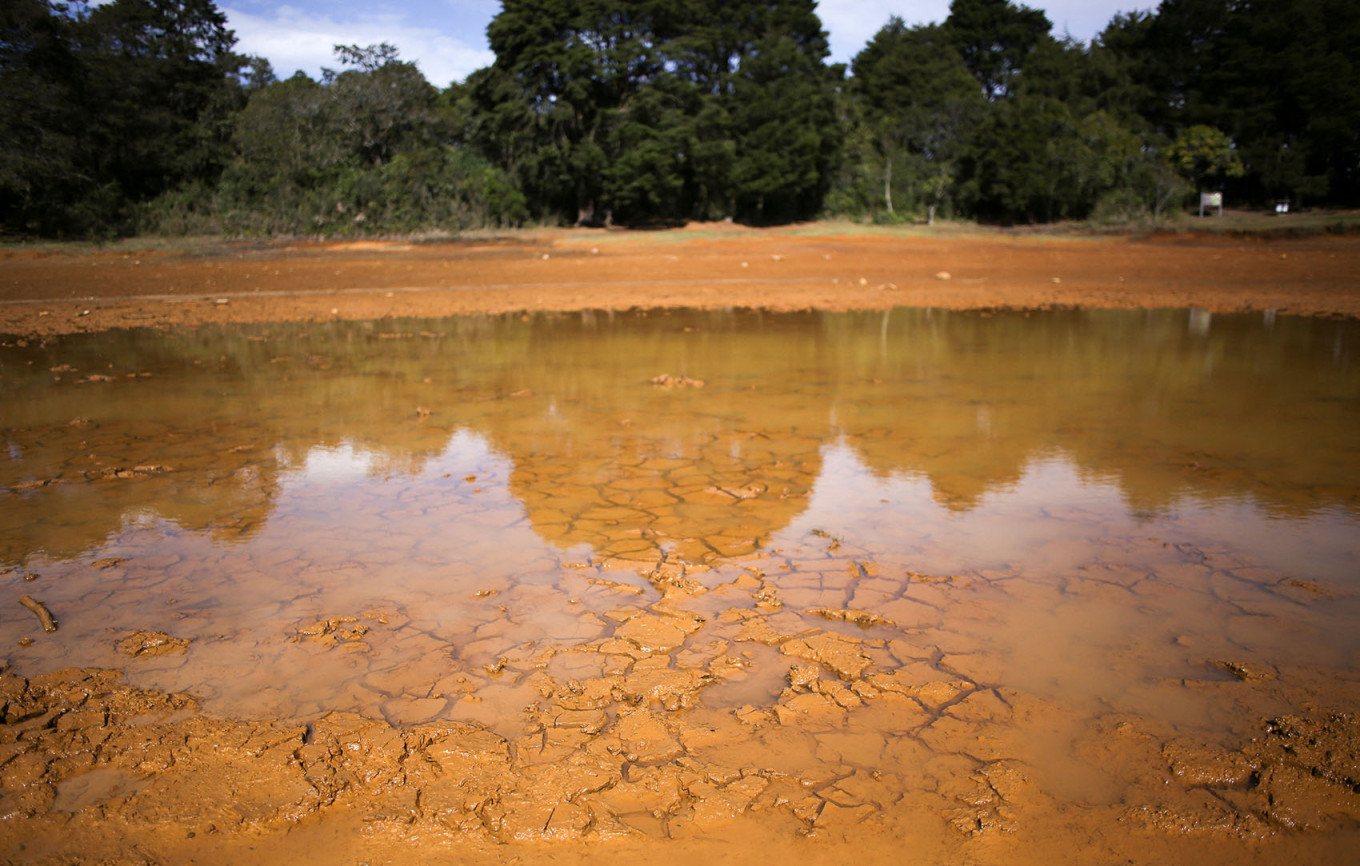
Because Russia lies far from the tropical Pacific, the direct oceanic drivers of El Niño do not hit the country head-on, Anna Skrigan, a researcher at Climate Action Network, told The Moscow Times.
“Past super El Niños had no significant impact on Russia, so there is little cause for concern. Compared to other climate phenomena, a super El Niño is not particularly destructive for the region,” Skrigan said.
For example, the 1997-98 super El Niño brought subtle shifts in Russia rather than outright catastrophe, such as higher rainfall driving up Caspian Sea levels.
While noticeable, those effects paled in comparison to the devastation seen in other parts of the world, where drought destroyed crops across Indonesia and southern Africa, severe flooding hit Peru and Ecuador, and cholera and malaria outbreaks surged in Kenya and Somalia.
Forecast for sea surface temperature anomaly based on several climate models, September-November 2026
World Meteorological Organization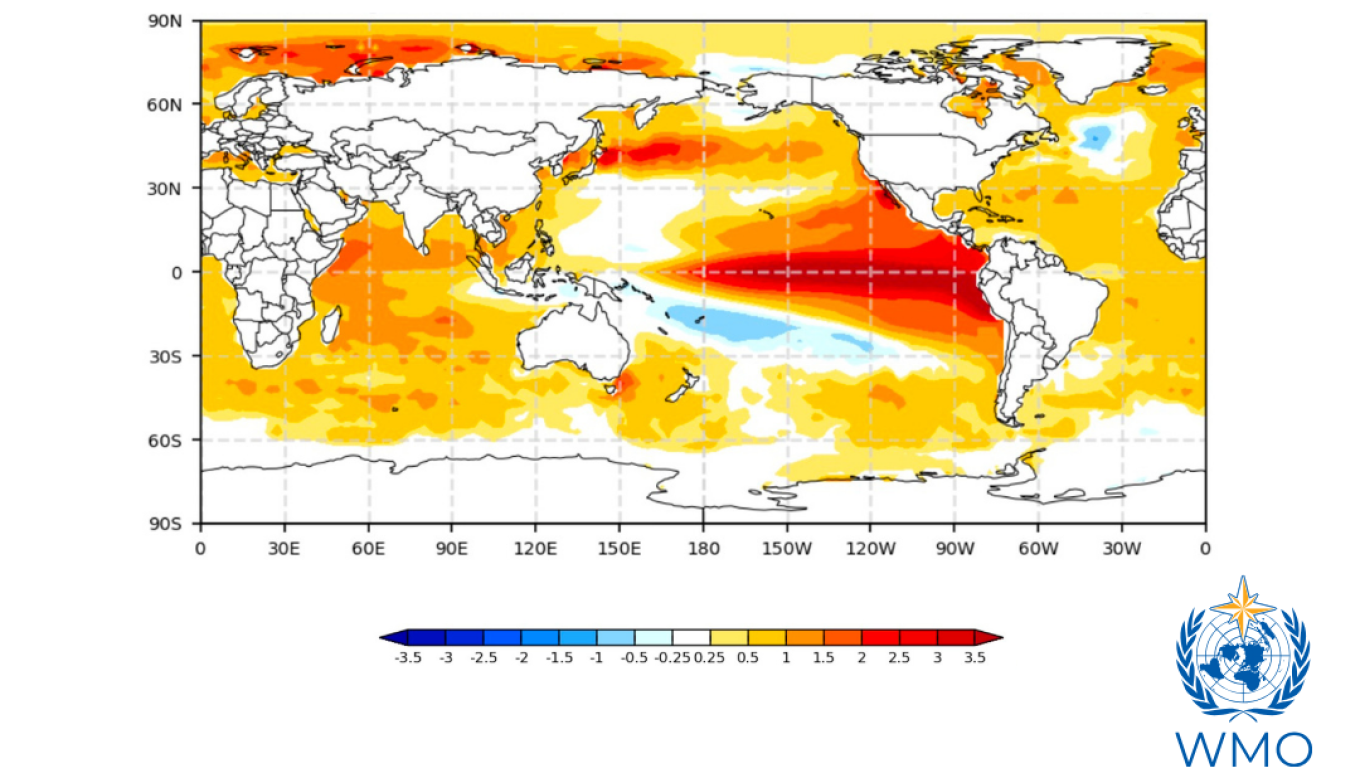
Models from the European Center for Medium-Range Weather Forecasts project above-average snowfall across much of European Russia this coming winter. This sets the region apart from the western part of the continent, where lower snowfall is expected.
“Winter predictions for Russia remain mixed. Some models forecast a snowy but mild winter, while others point to colder conditions, assuming the Siberian High will override El Niño’s influence,” Skrigan said.
Instead, she noted, Russia is far more vulnerable to ripple effects, specifically through global food and energy prices. Economic strain in other countries can trigger a domino effect that impacts the cost of living in Russia.
At its peak, the 1997-98 super El Niño, which reached 2.4 C, wiped out an estimated $5.7 trillion in global GDP — more than double the economic loss of the 2008 financial crisis. Much of the damage was due to a prolonged drag on economic activity that lingered for years after the event passed.
For Russia, Skrigan said, the impact of recent super El Niño events was “real, but indirect and non-destructive.”
“The global mechanism is much clearer. Indonesia is already distributing water pumps and restoring irrigation networks in preparation for a 1997-98 scale drought,” she said.
“For the Russian economy, these effects will most likely be felt indirectly through global food and energy prices rather than through direct weather on domestic farmland.”
A Message from The Moscow Times:
Dear readers,
We are facing unprecedented challenges. Russia’s Prosecutor General’s Office has designated The Moscow Times as an “undesirable” organization, criminalizing our work and putting our staff at risk of prosecution. This follows our earlier unjust labeling as a “foreign agent.”
These actions are direct attempts to silence independent journalism in Russia. The authorities claim our work “discredits the decisions of the Russian leadership.” We see things differently: we strive to provide accurate, unbiased reporting on Russia.
We, the journalists of The Moscow Times, refuse to be silenced. But to continue our work, we need your help.
Your support, no matter how small, makes a world of difference. If you can, please support us monthly starting from just $2. It’s quick to set up, and every contribution makes a significant impact.
By supporting The Moscow Times, you’re defending open, independent journalism in the face of repression. Thank you for standing with us.
Continue

Not ready to support today?
Remind me later.
×
Remind me next month
Thank you! Your reminder is set.
We will send you one reminder email a month from now. For details on the personal data we collect and how it is used, please see our Privacy Policy.

