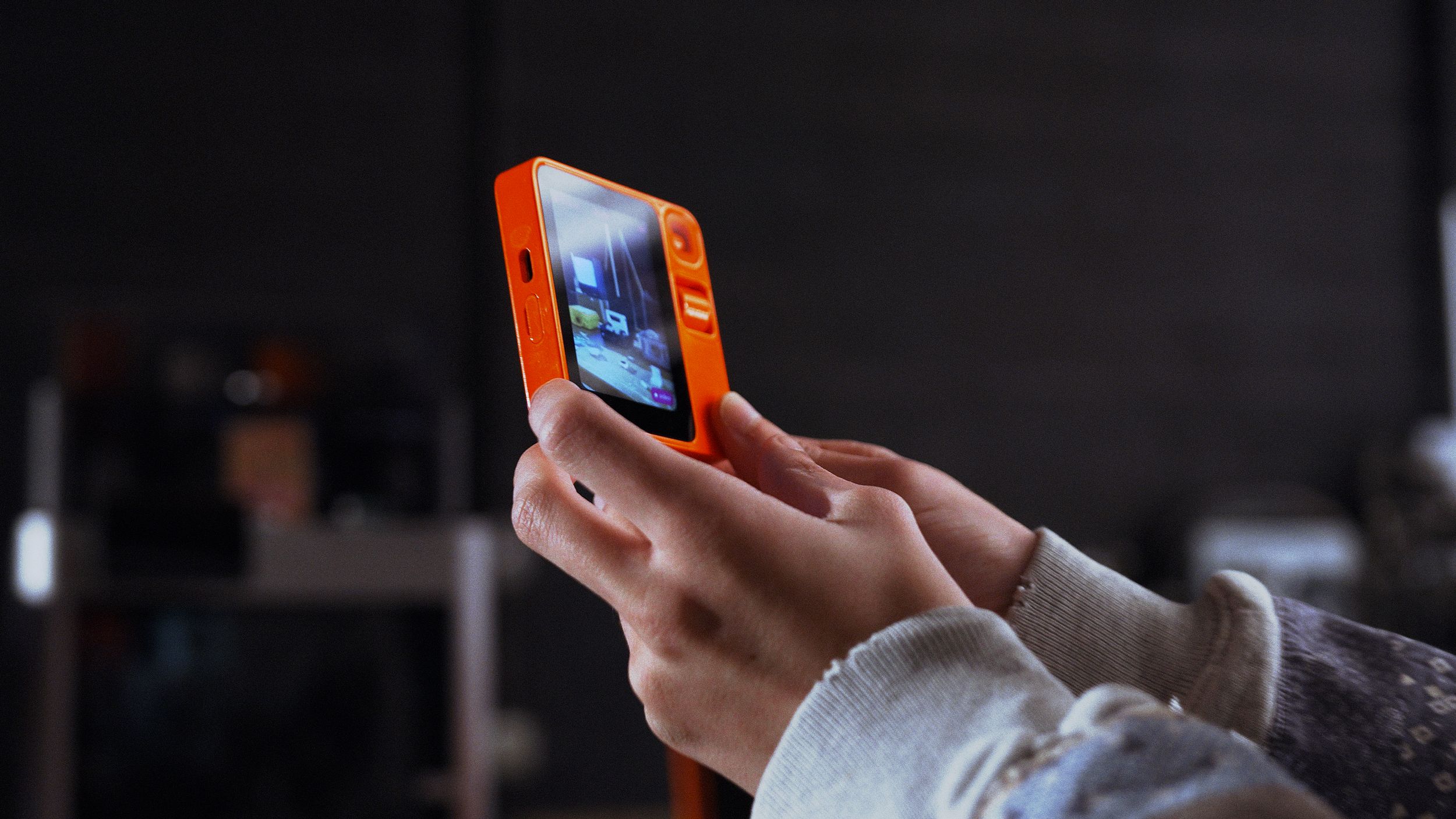
Rabbit R1 төхөөрөмжийн дараагийн алхам болох OS3 үйлдлийн систем нь программ хангамжийн хэлбэрээр хэрэглэгчдэд хүрэхээр болжээ.
Rabbit компанийн үүсгэн байгуулагч Жесси Лю мягмар гарагт OS3 хэмээх “агент үйлдлийн систем”-ийг танилцууллаа. Энэхүү систем нь зөвхөн R1 төхөөрөмжөөр хязгаарлагдахгүй бөгөөд ширээний компьютер, Telegram болон iMessage зэрэг олон төрлийн платформ дээр ажиллах боломжтойгоороо онцлог юм. Тус компани өмнө нь зөвхөн тусгай зориулалтын техник хангамжид анхаарлаа хандуулж байсан бол одоо программ хангамжийн чиглэлд томоохон өөрчлөлт хийж байна.
Жесси Люгийн мэдэгдснээр, Rabbit R1 төхөөрөмж нь санхүүгийн хувьд амжилттай байсан бөгөөд дэлхий даяар 100,000 гаруй ширхэг борлогдож, бүтээгдэхүүн буцаалтын түвшин 5 хувиас доогуур байжээ. Тэрээр компанийн инженерчлэлийн бодлого зөв байсан ч бусад томоохон AI студиудтай харьцуулахад нөөц бололцоо, санхүүгийн хувьд хязгаарлагдмал байсан нь бэрхшээл учруулсныг хүлээн зөвшөөрөв. Өдгөө 60 сая ам.долларын хөрөнгө босгож, 15 хүний бүрэлдэхүүнтэй ажиллаж буй тус компани санхүүгийн хувьд тогтвортой байгаа гэдгээ онцолсон байна.
R1 төхөөрөмжийн анхны хувилбар шүүмжлэлд өртсөний дараа тус баг шинэ техник хангамж гаргахын оронд программ хангамжаа сайжруулахад гол анхаарлаа хандуулжээ. Сүүлийн нэг жил хагасын хугацаанд 50 орчим шинэчлэлтийг хийсэн бөгөөд хэрэглэгчид Discord нийгэмлэгийн тусламжтайгаар төхөөрөмжид OpenClaw эсвэл Hermes зэрэг өөр төрлийн AI агентуудыг нэгтгэх боломжтой болсон байна. Энэхүү алхам нь Silicon Valley-д ид өрнөж буй AI агент технологийг илүү өргөн хүрээнд нэвтрүүлэх зорилготой юм.
Дэлгэрэнгүйг эх сурвалжаас харах
↓Эх сурвалжийг нээх ↓
Jesse Lyu doesn’t think the Rabbit R1 was a flop.
Lyu’s gadget was among the first in the gold rush to create dedicated AI hardware that acted as a virtual assistant. You could speak into the R1 and ask it to complete tasks for you—book an Uber; order food on DoorDash. After a buzzy launch at CES 2024, it earned scathing reviews. All the agentic stuff on the R1 just didn’t work that well. WIRED gave it a 3/10.
Since those early days, the capabilities of AI assistants have vastly improved, and now the tech is all the rage. So Rabbit is banging the drum again.
On Tuesday, Rabbit announced OS3, a standalone “agentic operating system” designed to run across multiple screens. It also arrives as a software update for the company’s R1 gadget, though you don’t need an R1 to use it. Instead, you can access OS3 through a desktop browser, Telegram on your phone, or even iMessage.
It’s a striking pivot for a company that once championed the handheld hardware over smartphone apps, but the environment for this type of software has ripened.
Agents that handle tasks for you are all anyone in Silicon Valley talks about. Meta’s new Muse agent was just banned from crawling Amazon to shop on a user’s behalf using a virtual machine. Lyu smirks as he brings it up, saying, “We’ve been through all of this a year and a half ago,” calling back to the R1’s controversial use of a virtual machine to execute app actions on your behalf. So was Rabbit just too ahead of the curve?
Lyu says from a monetary perspective, the Rabbit R1 was tremendously successful, especially considering the company doesn’t offer a subscription for its AI features, unlike many competitors. He claims the company delivered more than 100,000 of the orange-red, Teenage Engineering-designed gadgets worldwide, with return rates of less than 5 percent, and earned roughly a 45 to 50 percent margin on the hardware.
“Internally, from an engineering perspective—we didn’t make the wrong bet,” Lyu says. “I think the challenge is really being extremely limited in resources, team-wise and money-wise, compared to other AI studios that raised billions of dollars.” He says Rabbit has raised around $60 million in total and currently employs 15 people.
But after dismal reviews upon the R1’s launch, the company had to make tough decisions. Rabbit decided against expanding the team and chose to stay lean, but things were dire around this time last year. A planned launch in India was stymied by regulations, putting the company in financial strain, so much so that a handful of employees went on strike and claimed they weren’t getting paid. Lyu says he respected their decision, adding that the company secured more funding and is on stronger footing. “There are no issues with the company’s health,” he says.
Lyu says the team decided not to rush into new hardware, and instead focused on delivering software updates to polish the R1 experience—to date, Lyu says Rabbit has deployed around 50 updates in the past year and a half. He points to a dedicated Discord community of more than 12,000 users that provide feedback on what new features to add to the R1, like opening up the hardware. For example, you can integrate OpenClaw or Hermes AI agents into the R1 instead of using Rabbit’s proprietary models.

