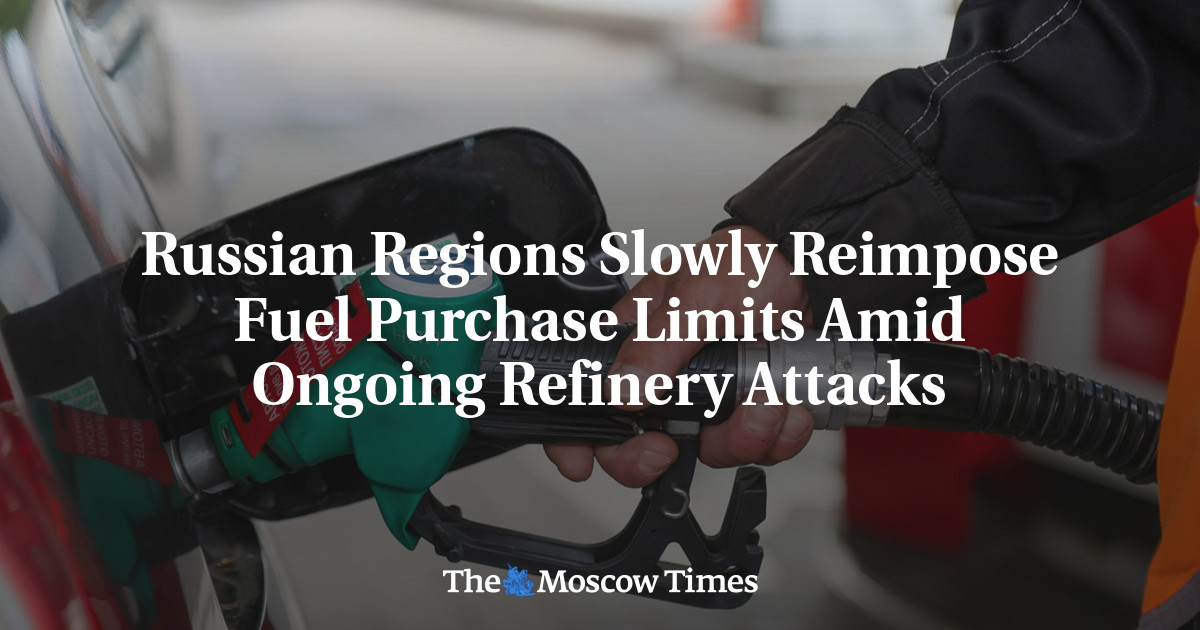
Украйны нисгэгчгүй онгоцны цохилтууд ОХУ-ын газрын тос боловсруулах үйлдвэрүүдэд нөлөөлсний улмаас шатахууны нийлүүлэлт тасалдаж, хэд хэдэн бүс нутагт хязгаарлалтын арга хэмжээ авч эхэллээ.
Москва орчмын Калуга мужийн захирагч Владислав Шапша автомашины улсын дугаарын тэгш, сондгойгоор нь ялгаж шатахуун олгох журам нэвтрүүлж, саваар шатахуун худалдаалахыг хориглосон байна. Сибирийн Забайкальскийн бүс нутагт ч мөн адил AI-92 болон AI-95 шатахууныг нэг автомашинд 15 литрээр хязгаарлан олгож байгаа бөгөөд тус бүс нутгийн нөөц 20 хоногийн дотор дуусах төлөвтэй байгааг албаныхан мэдээлэв.
Өнгөрсөн долоо хоногт Санкт-Петербург хотыг хүрээлсэн Ленинград мужийн эрх баригчид шатахууны борлуулалтыг нэг автомашинд 30 литрээр хязгаарлах шийдвэр гаргасан юм. Тус бүс нутагт жижиг болон бие даасан шатахуун түгээх станцуудын тав орчим хувь нь бөөний худалдааны зах зээлээс түлш авч чадахгүйн улмаас үйл ажиллагаагаа зогсоожээ.
Сүүлийн өдрүүдэд Москва, Самара, Уфа хотууд дахь томоохон газрын тос боловсруулах үйлдвэрүүдэд Украйны нисгэгчгүй онгоцнууд цохилт өгсөн нь нөхцөл байдлыг хүндрүүлж байна. Украйны цэргийнхэн энэ үйлдлүүдийн үр дүнд ОХУ-ын боловсруулах хүчин чадлын 45 гаруй хувийг ажиллагаагүй болгосон гэж мэдэгдсэн юм.
Шатахууны дотоодын зах зээлийг тогтворжуулах зорилгоор ОХУ 2027 оны нэгдүгээр сарын 31 хүртэл бензиний экспорт, аравдугаар сарын эцэс хүртэл дизель түлшний экспортыг тус тус хориглоод байна. Есдүгээр сарын 14-ний байдлаар ОХУ-д шатахууны үнэ оны эхнээс 21 хувиар өсөж, нэг литр нь дунджаар 78.51 рубльд хүрээд байна.
Дэлгэрэнгүйг эх сурвалжаас харах
↓Эх сурвалжийг нээх ↓
A growing number of Russian regions have recently seen the reintroduction of fuel rationing measures to combat shortages of gasoline and diesel caused by Ukrainian drone strikes against major oil refineries throughout the country.
In the Kaluga region southwest of Moscow, Governor Vladislav Shapsha announced the return of an odd-even system based on vehicle license plate numbers and a ban on sales into portable canisters starting Wednesday.
“The lines [at gas stations] are back. This causes reasonable frustration,” Shapsha wrote on Telegram.
In Siberia’s Zabaikalsky region, authorities announced a cap of 15 liters (4 gallons) per vehicle on AI-92 and AI-95 gasoline grades across 48 gas stations. Fuel reserves in the region stood at 17,000 metric tons, which are expected to run out in 20 days.
Zabaikalsky’s regional government stressed that 106 out of its 249 functioning gas stations were selling fuel without any restrictions.
Both announcements follow Ukrainian drone attacks on three key Russian oil refineries in Moscow, Samara and Ufa over the last three days. The Ukrainian military claimed this week that it has knocked out more than 45% of Russia’s refining capacity.
Last week, authorities in the Leningrad region surrounding St. Petersburg capped gasoline sales at 30 liters (8 gallons) per vehicle until at least Oct. 1. They described the region as the epicenter of a second wave of Russia’s summer fuel crisis after Ukrainian attacks on the Kirishinefteorgsintez (KINEF) refinery knocked it offline in August.
Nearly one in five independent and small gas stations had suspended work because they have been unable to buy wholesale fuel on the St. Petersburg exchange, Leningrad region Governor Alexander Drozdenko said.
Drozdenko said oil companies expect fuel supplies to stabilize in October.
The average price of gasoline in Russia has climbed 21% since the start of the year, with a single-week increase pushing the national average to 78.51 rubles per liter ($3.39 per gallon) as of Sept. 14.
Russia has banned gasoline exports through Jan. 31, 2027, along with diesel until the end of October, to stabilize the domestic fuel market.
A Message from The Moscow Times:
Dear readers,
We are facing unprecedented challenges. Russia’s Prosecutor General’s Office has designated The Moscow Times as an “undesirable” organization, criminalizing our work and putting our staff at risk of prosecution. This follows our earlier unjust labeling as a “foreign agent.”
These actions are direct attempts to silence independent journalism in Russia. The authorities claim our work “discredits the decisions of the Russian leadership.” We see things differently: we strive to provide accurate, unbiased reporting on Russia.
We, the journalists of The Moscow Times, refuse to be silenced. But to continue our work, we need your help.
Your support, no matter how small, makes a world of difference. If you can, please support us monthly starting from just $2. It’s quick to set up, and every contribution makes a significant impact.
By supporting The Moscow Times, you’re defending open, independent journalism in the face of repression. Thank you for standing with us.
Continue
Not ready to support today?
Remind me later.
×
Remind me next month
Thank you! Your reminder is set.
We will send you one reminder email a month from now. For details on the personal data we collect and how it is used, please see our Privacy Policy.

