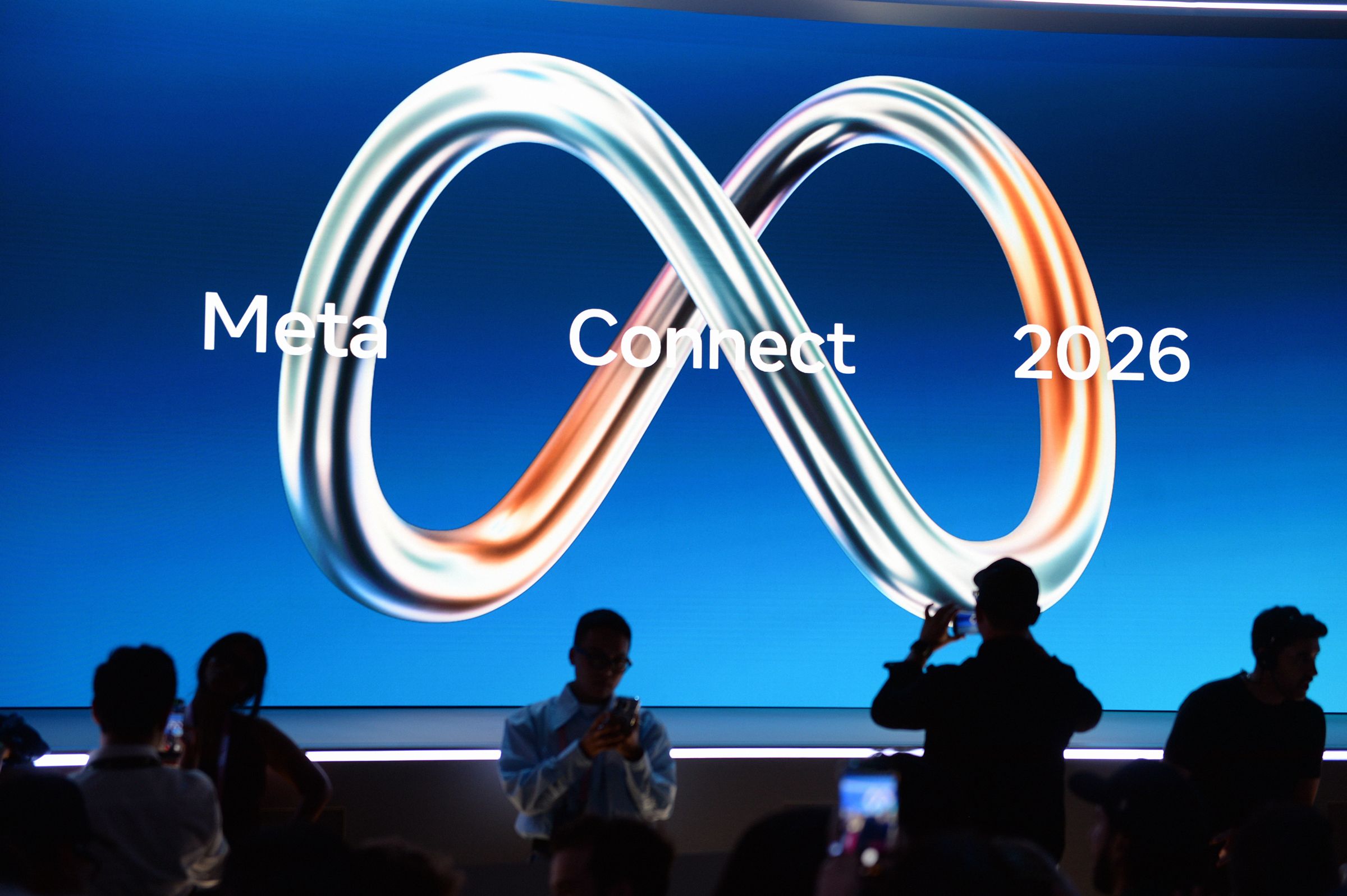
Технологийн аварга компани нууцлалтай холбоотой шүүмжлэлийн дараа камергүй ухаалаг шил болон хөнгөн жинтэй VR төхөөрөмжүүдээ олон нийтэд зарлав.
Менло-Паркт болсон “Meta Connect” арга хэмжээний үеэр гүйцэтгэх захирал Марк Цукерберг шинэ бүтээгдэхүүнүүдээ танилцууллаа. Үүнд гурав дахь үеийн Ray-Ban Meta шилнүүдээс гадна камергүй, дууны системд суурилсан “Ray-Ban Meta Audio” шил болон виртуал бодит байдлын шинэ төхөөрөмж багтаж байна. Мөн тус компани өөрийн “Muse AI” хиймэл оюун ухааныг ухаалаг шилний тавцандаа нэвтрүүлж эхэлжээ.
Шинэ “Meta VR Glasses” нь уламжлалт хүнд хэлбэрийн дуулгаас ялгаатай, ердөө л том нүдний шил шиг хөнгөн загвартай юм. Энэхүү төхөөрөмж нь нүд бүрд 2412 x 2288 пикселийн нягтаршилтай 5K micro-OLED дэлгэц ашигладаг бөгөөд гарны хөдөлгөөн болон нүдний харцаар удирдах боломжтой. Батарей болон тооцоолох хүчин чадлыг тусдаа төхөөрөмжид байрлуулснаар жинг нь Meta Quest 3-аас тав дахин хөнгөлсөн байна.
Тус төхөөрөмж нь Meta-гийн одоогийн VR экосистемийн программ хангамжтай нийцтэй тул төрөл бүрийн тоглоом, стриминг үйлчилгээ болон ажлын горимд ашиглах боломжтой. Хэрэглэгчид виртуал дэлгэцүүдийг өөрийн эргэн тойронд байрлуулж, биет гадаргуу дээрх виртуал гарыг ашиглах боломжтой аж. 1300 ам.долларын үнэтэй энэхүү төхөөрөмжийг 2027 оны хавар худалдаанд гаргахаар төлөвлөжээ.
Нууцлалын асуудлаас үүдэн Meta компани камергүй “Ray-Ban Meta Audio” загварыг гаргасан нь онцлох шийдэл боллоо. Энэхүү алхам нь камертай төхөөрөмжүүдийн эргэн тойронд үүссэн шүүмжлэлийг намжаах зорилготой юм. Ингэснээр хэрэглэгчид дүрс бичлэг хийх шаардлагагүй тохиолдолд ухаалаг шилний боломжуудыг илүү тав тухтай ашиглах боломж бүрдэж байна.
Дэлгэрэнгүйг эх сурвалжаас харах
↓Эх сурвалжийг нээх ↓
After months of controversy about the privacy of its smart glasses, Meta has unveiled the next iteration of its product lineup. At its Meta Connect event in Menlo Park, CEO Mark Zuckerberg announced all the new glasses the company is putting out into the world.
Its popular Meta Ray-Ban glasses are now in their third generation, but two new models steal the show: a powerful, slimmed-down version of Meta’s Quest headsets capable of virtual and augmented reality modes and a camera-free pair of Ray-Ban-branded smart glasses, called Ray-Ban Meta Audio. Meta is also bringing its Muse AI agent to its smart glasses platform.
Meta VR Glasses
The next evolution of Meta’s Quest VR headset is something truly different. Instead of a heavy helmet-like headset, the new Meta VR Glasses look like big goggles. They’re five times lighter than the Meta Quest 3. They sit on the nose, right in front of your face like glasses, with no headstrap needed.
Meta’s VR Glasses.
They look and feel more like the virtual display glasses made by companies like Viture, and what Xreal’s Project Aura seems to be shaping up to be—lightweight mixed reality lenses that let you access virtual spaces without the burden of a VR headset.
There are no included controllers, though the device can connect to Meta’s previous Quest controllers or gamepads like an Xbox controller. Instead, the wearer controls the device with hand movements and finger pinches, similar to Android XR and Apple’s Vision Pro. Eye tracking pinpoints what you’re trying to access. You can pinch with two fingers to open an app or interact with something on the screen. Form a fist and flick your thumb up or down to scroll the screen.
Inside, the lenses feature a 5K micro-OLED display with a resolution of 2412 x 2288 pixels per eye. The computing power is offloaded to an attached compute puck, which also houses the battery.
Small prescription lens inserts can be magnetically clipped inside the lenses. (Meta has not shared how much those will cost.)
The software is the same that runs on Meta’s Quest VR devices, so movie and game titles in the Quest ecosystem will work on the VR Glasses. That includes games like Beat Saber, live sports apps, and streaming services like Disney+. There are digital workspace modes that let you have multiple monitor screens around you. The VR Glasses can also display a virtual keyboard on a surface in front of you, then use the embedded cameras to track specific finger placements.
The only immediate downside compared to other VR headsets—at least that I could tell from a brief demo at Meta Connect—is that the VR glasses don’t cover your entire field of vision, so it doesn’t feel as immersive as a traditional VR headset.
Meta says the VR Glasses cost $1,300 and will ship in the spring of 2027.
Ray-Ban Meta Audio
Meta has spent the past few months being absolutely pummeled by controversy about the privacy issues inherent in its camera-enabled smart glasses. The solution? A pair of smart glasses with no cameras.

