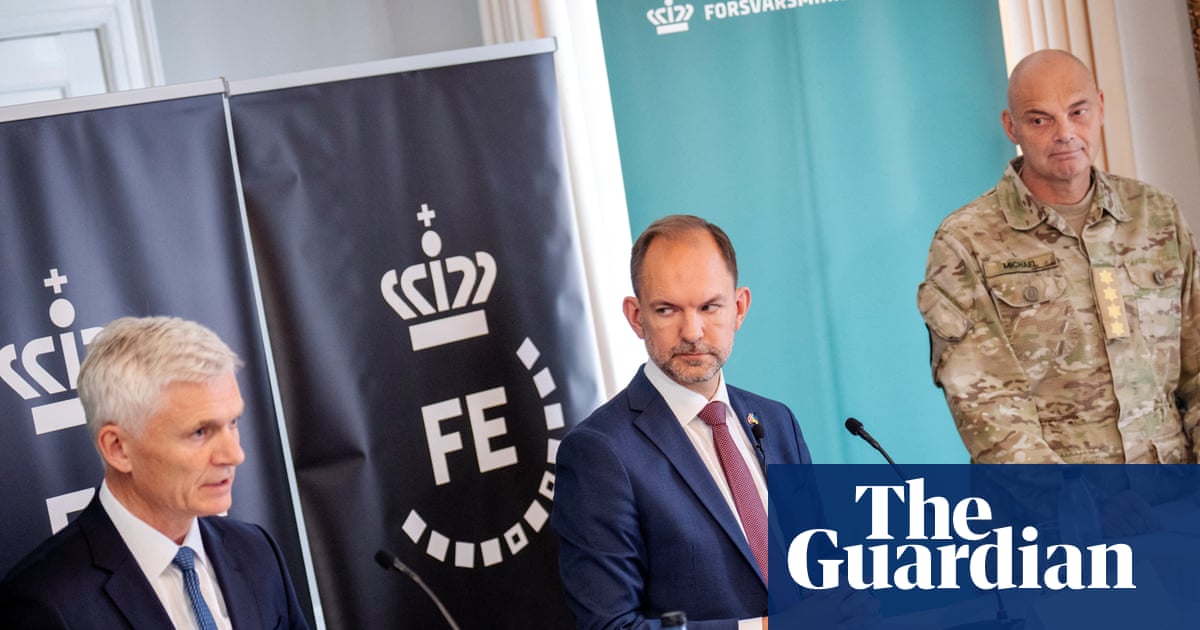
Данийн батлан хамгаалахын тагнуулын алба ОХУ ойрын саруудад НАТО-гийн дэд бүтэц рүү цохилт өгөх эсвэл хязгаарлагдмал хүрээний цэргийн ажиллагаа явуулах эрсдэл нэмэгдэж байгааг онцоллоо.
Данийн тагнуулын байгууллагаас пүрэв гарагт гаргасан тайланд ОХУ нь Украйныг дэмжиж буй НАТО-гийн дэд бүтэц рүү алсын тусгалын пуужингаар цохилт өгөх, эсвэл таних тэмдэггүй цэргийн бүлгүүдээр хөрш зэргэлдээ улс руу нэвтрэх эрсдэл бага боловч өсөн нэмэгдэж байна гэж дүгнэжээ. Энэхүү сэрэмжлүүлэг нь Польш улсад байрлах Starlink хиймэл дагуулын станцад гарсан хорлон сүйтгэх ажиллагаа гэж үзэж буй гал түймрийн дараа гарсан юм. Польшийн Шадар сайд Кшиштоф Гавковски уг хэрэг нь интернет холболтыг тасалдуулах зорилготой байсан бөгөөд ОХУ-ын шинэ төрлийн халдлагын доктринд нийцэж байгааг тэмдэглэв.
ОХУ-ын цэргийн дээд командлал зарим НАТО-гийн орнуудыг Украйнд зэвсэг нийлүүлэх, тагнуулын мэдээллээр хангах, пуужин болон дроны чиглүүлэлтэд туслах замаар дайнд шууд оролцож байна гэж үзэж байгааг эх сурвалжууд мэдээлж байна. Иймд ОХУ нь НАТО-г өөрийнх нь эсрэг эрлийз дайн явуулж байна хэмээн үзэж, хариу арга хэмжээ авах эрхтэй гэж тооцоолж байгаа аж. Европын тагнуулын албад ОХУ-ыг кибер халдлага, дэд бүтцийг сүйтгэх зэрэг эрлийз ажиллагаагаа эрчимжүүлж, НАТО-гийн гишүүн орнуудын эв нэгдлийг шалгах магадлалтайг анхааруулж байна.
НАТО-гийн гишүүн орнуудын дунд АНУ-ын зүгээс Европын аюулгүй байдлыг хамгаалах амлалт болон гишүүн орнуудын эв нэгдлийн талаар эргэлзээ төрж байна. Үүнтэй холбогдуулан Словакийн Ерөнхий сайд Роберт Фицо НАТО-гийн хамтын ажиллагааны зарчмаар дамжуулан цэргийн мөргөлдөөнд татагдан орохыг хүсэхгүй байгаагаа илэрхийлсэн юм. НҮБ-ын Ерөнхий ассамблейн чуулганы үеэр Украйны Ерөнхийлөгч Володимир Зеленский ОХУ-ын түрэмгийлэл нь зөвхөн Украйн төдийгүй Молдав, Польш болон Балтын орнуудад аюул учруулж байгааг санууллаа.
Дэлгэрэнгүйг эх сурвалжаас харах
↓Эх сурвалжийг нээх ↓
Russia could launch a limited military attack against a Nato country in the coming months, Danish intelligence said, in one of the starkest warnings yet by western security services.
In a report published on Thursday, the Danish defence intelligence service warned of a “low but growing risk” that Russia could launch long-range strikes on Nato infrastructure supporting Ukraine, or carry out a limited incursion into a neighbouring country with a small number of troops, potentially operating without insignia.
The report came hours after a fire at a Starlink satellite station in central Poland that local authorities described as an “act of sabotage”.
Krzysztof Gawkowski, the deputy prime minister of Poland, said the blaze, which broke out overnight in the Masovian voivodeship, had been “deliberately designed to disable the station”, disrupting internet access for a number of institutions, including the Ukrainian military.
Gawkowski said it had not been established who was responsible for the fire, but that “many signs suggest this aligns with Russia’s new doctrine of attack.
“While everything is operational today, we must recognise, as prime minister [Donald] Tusk recently noted, that this is an element of hybrid warfare,” he said.
Starlink has become a key part of Ukraine’s military communications, and the incident comes amid a spate of suspected Russian sabotage operations across European infrastructure supporting Ukraine.
Earlier this month, Germany publicly blamed Russia for an attempted drone attack on Leipzig/Halle airport, while a series of other incidents – including fires at drone factories and sabotage targeting rail infrastructure – have also been investigated for possible links to Moscow. Russia has denied involvement in such attacks.
In recent weeks, several European intelligence chiefs have warned that Russia may be preparing more assertive actions to test Nato countries’ commitment to supporting Ukraine, though officials differ over how imminent such a move may be.
Russia is expected to intensify its hybrid attacks against European countries with “greater consequences” for those targeted in the coming months, the Danes warned, including “destructive cyber-attacks that cripple societal functions as well as sabotage attacks that carry a high risk of casualties”.
A source familiar with Moscow’s thinking agreed that Russia is likely to step up its hybrid attacks.
“Russian military top command is convinced some Nato countries are directly involved in the war against Russia – not just by supplying Ukraine with weapons and intelligence, but by helping to guide missiles and drones,” the source said, speaking on condition of anonymity.
“They therefore believe Nato is already waging a hybrid war against Russia, and that Russia has the right to respond in kind,” the source added.
“Hybrid attacks” are broad terms generally used to describe non-military tactics aimed at pressuring or destabilising an adversary, including cyber-attacks, sabotage and disinformation.
The aim of Russia’s actions would be to divert European resources away from supporting Ukraine, and deepen divisions within Nato if the alliance failed to agree on a collective response, the report added.
The service believes it remained “highly unlikely” that Russia would launch an outright invasion of a Nato country, but notably said it “cannot be ruled out”.
The Danish services said Russia could seek to test Nato’s article 5, which commits members to collective defence. They warned there was “a risk that Russia assesses that the Nato countries will not respond collectively”, particularly if Moscow believes the US is unable or unwilling to support its European allies in a potential war with Russia.
There have been ongoing jitters among Nato members over whether the alliance’s most powerful member, the US, would come to Europe’s defence under Donald Trump in the event of a Russian attack.
Questions over unity within Europe are also growing. Last week, Slovakia’s prime minister, Robert Fico, who has maintained close ties with the Kremlin, cast doubt on his country’s commitment to Nato’s collective defence principle, saying he did not want Slovakia drawn into a military conflict “because of some article 5”.
Speaking at the UN general assembly on Wednesday, Volodymyr Zelenskyy warned that Russia continued to threaten countries beyond Ukraine, including Moldova, Poland and the Baltic states, while showing “no respect” for the sovereignty of countries in the south Caucasus and central Asia.
“The more freedom Putin has to act, the more dangerous the world becomes for everyone else,” he said.

