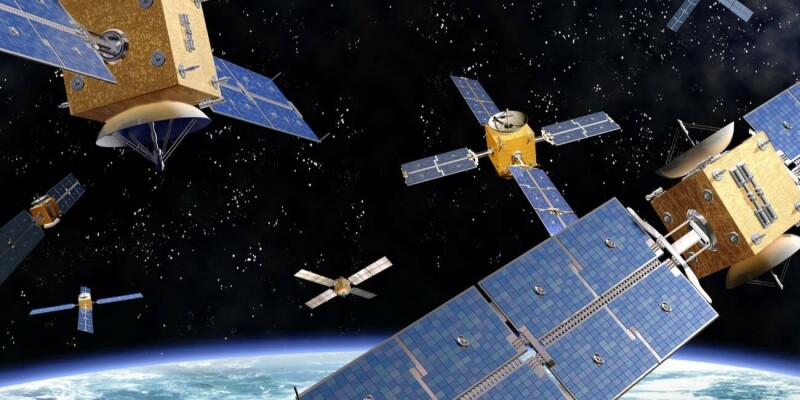
Тус улсын Батлан хамгаалах яам сансрын орон зайд учирч болзошгүй аюулыг саармагжуулах зорилготой шинэ эскадрилийг албан ёсоор танилцууллаа
Их Британийн Хааны агаарын цэргийн хүчин (RAF) “No. III Space Effects Squadron” нэртэй шинэ ангийг байгуулснаа Лондонд болсон сансрын хүчний бага хурлын үеэр зарлалаа. Энэхүү нэгж нь улс орны харилцаа холбоо, навигацийн системд чухал үүрэг гүйцэтгэдэг хиймэл дагуулуудыг хамгаалах, шаардлагатай тохиолдолд өрсөлдөгч талын сансрын чадавхийг хязгаарлах чиг үүрэгтэй юм.
Тус улсын Батлан хамгаалах яамны мэдээлснээр, өмнө нь үйл ажиллагаа явуулж байсан “No. I Space Operations” болон “No. II Space Warning” эскадрилиуд нь сансрын аюулыг ажиглах, анхааруулах үүрэгтэй байсан бол шинэ анги нь эдгээр аюул заналхийллийн эсрэг шууд арга хэмжээ авах чадамжтай аж. Хэдийгээр Их Британи нь сансрын орон зайд пуужингаар цохилт өгөх технологийг эзэмшдэггүй бөгөөд ийм туршилт хийхийг албан ёсоор үгүйсгэсэн боловч шинэ нэгж нь электрон дайн болон бусад дэвшилтэт технологийн тусламжтайгаар дайсагнасан үйлдлийг саармагжуулах юм.
Сансрын хүчний нарийвчилсан чадавхийн талаарх мэдээлэл нууцын зэрэглэлд хамаарч байгаа боловч уг эскадриль нь довтолгооны болон хамгаалалтын чиглэлээр ажиллах нь тодорхой байна. Хиймэл дагуулууд нь тагнуулын мэдээлэл цуглуулах, пуужингийн довтолгооноос сэрэмжлүүлэх, цаг агаарын урьдчилсан мэдээ, эрчим хүчний сүлжээний синхрончлол зэрэг үндэсний аюулгүй байдал болон өдөр тутмын амьдралд нэн чухал үүрэгтэй юм.
Сүүлийн жилүүдэд АНУ, ОХУ, Хятад, Энэтхэг зэрэг улсууд сансрын эсрэг пуужингийн туршилт хийсэн нь тойрог замд сансрын хог хаягдал үүсгэж, Олон улсын сансрын станцад эрсдэл учруулсан тохиолдлууд гарсан. Үүнтэй холбогдуулан НҮБ-аас сансрын орон зайд пуужингийн туршилт хийхгүй байх тогтоол баталсан ч Хятад зэрэг улсууд лазер болон өндөр давтамжийн бичил долгионы технологи ашиглан хиймэл дагуулыг идэвхгүй болгох арга замыг эрэлхийлсээр байна.
Дэлгэрэнгүйг эх сурвалжаас харах
↓Эх сурвалжийг нээх ↓
Britain’s Royal Air Force has gained some space cadets, in the form of No. III Space Effects Squadron, tasked with protecting critical satellites that the UK relies on for communications and navigation. Air Chief Marshal Sir Harvey Smyth announced the new unit at an inaugural UK Space Power Conference in London, saying it will safeguard the vital benefits that space gives to our armed forces, and be capable of denying those benefits to our adversaries. Smyth added that the RAF’s headquarters at High Wycombe transitioned to become Air and Space Command just a few weeks ago. According to the MoD, the existing No. I Space Operations Squadron and No. II Space Warning Squadron give the RAF the ability to watch and warn of threats in space, but the latest unit will have the ability to act against those threats. How, you might ask, given the UK has limited launch facilities and no anti-satellite missile systems, as far as we are aware? This will be accomplished using “advanced technology,” we are told, including electronic warfare, to “disrupt, degrade and deny hostile actions.” In fact, the government says the UK has formally ruled out destructive anti-satellite missile testing, and instead continues to work through the UN Committee on the Peaceful Uses of Outer Space. That implies the use of ground-based jamming systems to disrupt or neutralize any nefarious foreign satellites. We asked the MoD for further details on what the space force’s capabilities consist of, exactly, but a spokesperson told us there is not much more that can be said as the information is classified. However, the MoD does say the squadron will support both offensive and defensive space operations and will expand over time as new capabilities enter service. The MoD states that satellites are critical for both national security and daily life, enabling intelligence gathering and missile warnings, while also providing telecoms and weather forecasts. The emergency services rely on satellite navigation systems for emergency responses, and energy networks use the same systems to organise power grids, making use of the precise time coding in such signals to synchronise operations. Last year, The Register reported that the MoD was working with the UK’s Space Agency on finding ways to protect orbiting satellites with technology that can spot when lasers are being used to try and dazzle them and disrupt communications. Four countries are known to have tested anti-satellite missiles; the US, Russia, China and India. The most recent incident was when Russia destroyed one of its own defunct orbiters in 2021, endangering the International Space Station. The ISS also had to conduct manoeuvres the same year to avoid space debris created by China blowing up one of its own satellites years earlier. In 2022, the United Nations passed a US-led resolution calling on countries to commit not to conduct any similar anti-satellite missile tests. That hasn’t stopped China, for one, looking at other ways of taking out orbital assets if it considers it necessary, looking at employing lasers and high-power microwaves to disable them. The US Space Force also claimed to have observed Chinese satellites practicing “dogfight” manoeuvres in orbit. ®

