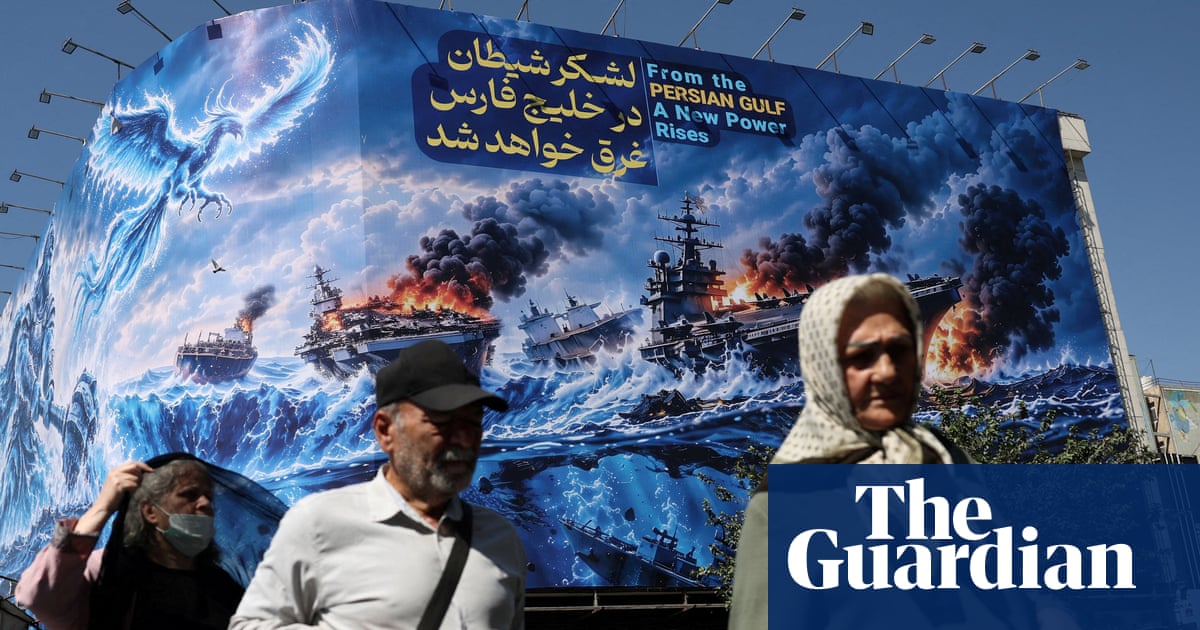
Ираны тал бүс нутгийн мөргөлдөөнийг зогсоож, стратегийн ач холбогдолтой усан замыг долоо хоногийн дотор нээх санаачилга гаргасан ч АНУ-ын удирдлага үүнд эргэлзэж байна.
Ираны Гадаад хэргийн сайд Аббас Аракчи Катараар дамжуулан АНУ-д хүргүүлсэн уг саналын хүрээнд АНУ тэнгисийн цэргийн бүслэлтээ цуцалж, газрын тосны борлуулалтад тавьсан хоригоо цуцлан, Ливан дахь гал зогсоох хэлэлцээрийг мөрдөх ёстой гэж мэдэгджээ. Энэхүү төлөвлөгөө нь долоо хоногийн дотор хэрэгжиж, улмаар Ираны цөмийн хөтөлбөрийн талаарх яриа хэлэлцээг дахин эхлүүлэх боломжтой гэж Ираны тал тайлбарлаж байна. Гэвч АНУ-ын албаны хүмүүс энэхүү саналыг болгоомжтой хүлээн авч, арваннэгдүгээр сард болох дунд хугацааны сонгуулийн дараа цэргийн ажиллагаа эрчимжиж болзошгүй гэж үзэж байгааг Wall Street Journal мэдээлжээ.
Хоёрдугаар сарын 28-нд эхэлсэн АНУ болон Израйлын дайралттай холбоотой мөргөлдөөн үргэлжилсээр байгаа бөгөөд энэ нь дэлхийн эдийн засагт сөргөөр нөлөөлж, газрын тосны тээвэрлэлтийг саатуулж байна. Ираны Ерөнхийлөгч Масууд Пезешкиан тус улс дайныг хүсэхгүй байгаа ч дарамт шахалт, халдлагын эсрэг өөрийгөө хамгаална гэдгээ илэрхийлээд, цөмийн зэвсэг бүтээх зорилгогүй гэдгээ дахин нотолсон юм.
Бүс нутгийн нөхцөл байдал хурцадмал хэвээр байгаа бөгөөд бямба гарагийн өглөө Саудын Арабын тэргүүлсэн эвсэл Йемений Хути босогчдын Рияд руу чиглүүлсэн хоёр дроныг устгасан байна. Мөн Ираны талыг баримтлагч бүлэглэлүүд Иракт газрын тосны дамжуулах хоолой руу халдсан, Ливанд Hezbollah болон Израйлын хүчний хооронд мөргөлдөөн үргэлжилж байгаа нь мөргөлдөөний цар хүрээ өргөн байгааг харуулж байна.
Дэлгэрэнгүйг эх сурвалжаас харах
↓Эх сурвалжийг нээх ↓
Iran is awaiting an official US response to its proposal to reopen the strait of Hormuz and end fighting in the Middle East war as Donald Trump was reported to have rejected the deal.
Iran raised the diplomatic initiative at the UN general assembly in New York, saying it had been transmitted to the Americans via Qatari mediators and could reopen the strategic waterway and put an end to hostilities in the region within seven days.
But the US president is sceptical and has told his staff that he sees a renewed bombing campaign as likely after the November US midterm elections, the Wall Street Journal reported, citing unnamed US officials.
Earlier, a US official had said discussions with Iran through mediators were “positive and constructive”.
Iran has offered to reopen the strait of Hormuz and resume talks on its nuclear programme in seven days if the US lifted its naval blockade of Iranian ports, waived sanctions on Iranian oil sales and observed a ceasefire that would include Lebanon.
The Iranian foreign minister, Abbas Araghchi, detailed the proposal to reporters outside the UN security council on Friday, saying the country would also restart stalled talks with the US on Iran’s nuclear programme. “The seven-day timeline will start as soon as the United States accepts this plan,” he said.
Araghchi said the initial steps would take about four to five days to complete, and the strait would be open on the sixth day. “And on day seven, the talks with the US will be started for the final deal on mutually agreed subjects,” he said, referring to the nuclear programme.
“If there is seriousness on the US side to come to a deal and reopen the strait of Hormuz, everything is now prepared,” Araqchi said.
The Iranians also engaged their Saudi rivals regarding the strait, underscoring the stakes of a seven-month-old conflict that has disrupted oil flows through one of the world’s most critical shipping lanes and taken a toll on the global economy.
Iran’s president, Masoud Pezeshkian, in an interview with the CBS show Face the Nation, said Tehran was ready for talks on its nuclear programme and other issues, but would not accept “bullying or coercion”.
“Iran is not seeking war, but will defend itself against pressure, threats and attacks,” Pezeshkian said, adding that it had already agreed that “we’re not supposed to develop nuclear weapons“.
Previous attempts at diplomacy have failed to end the war, which began on 28 February with US and Israeli attacks.
Since then the war has alternated between pauses and renewed strikes, killing thousands while degrading Iran’s conventional forces and damaging its already ailing economy.
Trump has previously said he was in no rush to reach a deal, even as high oil prices fuel inflation. On the Iranian side, there are questions as to whether the hardliners who dominate the security forces would accept compromises championed by moderates such as Pezeshkian.
Diplomatic efforts surrounding the UN general assembly underscored the global stakes in the conflict, which has disrupted oil flows through one of the world’s most critical shipping lanes and drawn in regional and world powers.
Early on Saturday, Yemen’s Saudi-led coalition said it intercepted two drones launched by the Iran-backed Houthis towards the Saudi capital, Riyadh.
Iranian-aligned militias in Iraq have been blamed for a pipeline attack that temporarily took more Saudi oil off the market. All the while, Iranian-backed Hezbollah has been engaged with Israeli forces in Lebanon.
With Reuters and AP

