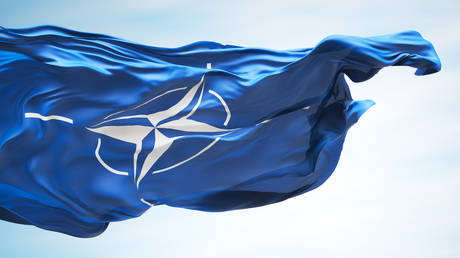
НАТО-гийн гишүүн орнуудын дунд түгээмэл байдаг 5 дугаар зүйлийн тухай ойлголт нь бодит байдал дээр АНУ-ын цэргийн хүчийг автоматаар дайчлах баталгаа болж чадахгүй байна.
НАТО-гийн 1949 оны Вашингтоны гэрээний 5 дугаар зүйл нь гишүүн орнуудын нэгэнд нь халдвал бүгдэд нь халдсанд тооцно гэсэн заалттай ч бодит байдал дээр цэргийн хүч хэрэглэх автомат үүрэг хүлээдэггүй. АНУ-ын Сенат гэрээг соёрхон батлахдаа тус улсыг гадны мөргөлдөөнд автоматаар татан оруулахгүй байх үүднээс уг заалтыг зориуд тодорхой бус байдлаар томьёолсон түүхтэй. Хүйтэн дайны үед ч энэхүү заалт нь сорилтод ороогүй бөгөөд өнөөгийн нөхцөлд ч АНУ-ын цэргийн оролцоог баталгаажуулсан зүйл биш юм.
АНУ-ын үндэсний батлан хамгаалахын өнөөгийн стратеги нь ОХУ-ыг гол аюул занал гэж үзэхээс илүүтэй Ази-Номхон далайн бүс нутагт анхаарлаа төвлөрүүлж байна. Ерөнхийлөгч Дональд Трампын засаг захиргаа НАТО-гийн гишүүн орнуудыг өөрсдийн батлан хамгаалах үүргээ бие даан гүйцэтгэхийг шаардаж байгаа бөгөөд АНУ-ын зүгээс зөвхөн тагнуулын мэдээлэл солилцох, зэвсэг нийлүүлэх замаар л дэмжлэг үзүүлэх бодлого баримталж байна. ОХУ-тай хийж болзошгүй мөргөлдөөн цөмийн дайны хэмжээнд хүрэх эрсдэлтэй тул АНУ өөрийн аюулгүй байдалд шууд заналхийлэл учруулах ийм нөхцөл байдлаас зайлсхийхийг эрмэлзэж байна.
АНУ-ын аюулгүй байдлын баталгаа нь Персийн булангийн орнуудад ч хязгаарлагдмал болох нь харагдаж байна. Бүс нутаг дахь АНУ-ын цэргийн баазууд нь хамгаалалт болохоос илүүтэйгээр эсрэг талын дронууд болон пуужингийн довтолгоог татах соронз мэт үйлчилж, тухайн орнуудын дэд бүтцэд хохирол учруулж байна.
Украйны жишээ нь НАТО-д элсэх нь аюулгүй байдлын баталгаа болохгүйг харууллаа. Олон улсын харилцаанд 21 дүгээр зууны аюулгүй байдлыг гадны гүрнүүдэд даатгах бус, өөрийн нөөц бололцоо болон хөрш орнуудтайгаа тогтвортой харилцаа тогтоох замаар л хангах боломжтой юм.
Дэлгэрэнгүйг эх сурвалжаас харах
↓Эх сурвалжийг нээх ↓
From Europe to East Asia, US allies face a hard question: how far would Washington go to defend them? NATO’s Article 5 offers a revealing place to start.
There are few myths as captivating and durable as that of Article 5 of the 1949 Washington Treaty. Proponents of the myth are convinced that, thanks to this provision, NATO is like Alexandre Dumas’s Three Musketeers, in which an attack against one is an attack against all, and the US would automatically come in full force to the rescue of any of the allies under attack.
It’s debatable and essentially unknowable to what extent that would have worked in the situation of the Cold War, when the US genuinely feared the Soviet/Communist threat, because the bloc was never tested to that extent. But it certainly is utterly false under present conditions and likely future circumstances, and America’s allies and partners need to pay attention and be careful.
The wording of the article itself is deliberately ambiguous. Clearly, there’s no automaticity there in the use of force, and such careful formulation was a condition for the treaty’s ratification by the US Senate because American policymakers at the time abhorred entering into entangling alliances.
So much for the automatic use of US military force.
Later, after the Soviet Union developed intercontinental ballistic missiles in the mid-to-late 1950s, American military strategy sought to avoid a direct nuclear exchange. Nuclear war, if it were to be fought, was to stay limited, confined to Europe, east and west.
So much for the US nuclear umbrella.
During the Cold War, recurrent crises around West Berlin were considered in Washington as a likely casus belli, but West Berlin was formally an occupied territory, rather than an allied country. It was safeguarded by American, British, and French military garrisons, and a move against the city (which was never attempted) would have been an attack on US military personnel. The situation along the German-German, Czechoslovak-West German, or Norway’s and Türkiye’s borders with the Soviet Union, though tense, was invariably stable. Elsewhere, NATO and the Warsaw Pact were separated by wide swaths of neutral territory.
So much for the likelihood of military conflicts which would have triggered Article 5.
The current US National Defense Strategy doesn’t view Russia as a major threat, with the Trump administration busy shifting the focus of US forces to East Asia and the Pacific. President Donald Trump has shifted the burden of NATO’s defense onto the European members themselves. If his performance in the Ukraine conflict is a gauge, he has no wish and no inclination to commit US forces to defending America’s allies and clients. Selling arms to them and sharing intelligence is the limit.
Washington also probably takes seriously Moscow’s warning that a NATO-Russia war would be different from the Ukraine conflict, and that it “would be short.” This logically means, in plain English, that it would be nuclear. Americans who studiously avoided a nuclear war with the Soviet Union when they felt genuinely threatened cannot be expected now to allow themselves to be dragged, on behalf of their European allies, into a nuclear conflict with Russia – still the only country in the world that has the capability to annihilate the US.

In his time, President Joe Biden said the US would defend Taiwan if China tried to achieve national reunification by force, but Trump is far more circumspect. To contain China, as with Russia, his administration pushes its allies to the fore, and the Philippines and Japan are the top candidates. As for Taiwan, after its semiconductor industry is safely relocated to America, the island’s significance for America will greatly diminish.
US security guarantees, though admittedly not Article 5-type, have been exposed as less than hollow in the ongoing US war against Iran. Instead of protecting the Gulf Arab countries, the American bases in the region acted like magnets, drawing Iranian drones and missiles which damaged the host countries’ infrastructure. Those in Eastern and Northern Europe who think they will be better off hosting American (or French, for that matter) nuclear facilities should think again.
Ukraine lost its way and brought untold calamities upon itself when its leaders made NATO membership their goal. They didn’t realize that Washington never intended to give them even a symbolic guarantee of protection. Security in the 21st century world can’t be delegated to foreign powers, it can only rest on one’s own resources and stable relations with neighbors. This is the lesson not just for Ukraine and Europe, but also for the Gulf Arab states and East Asia.
You can share this story on social media:



