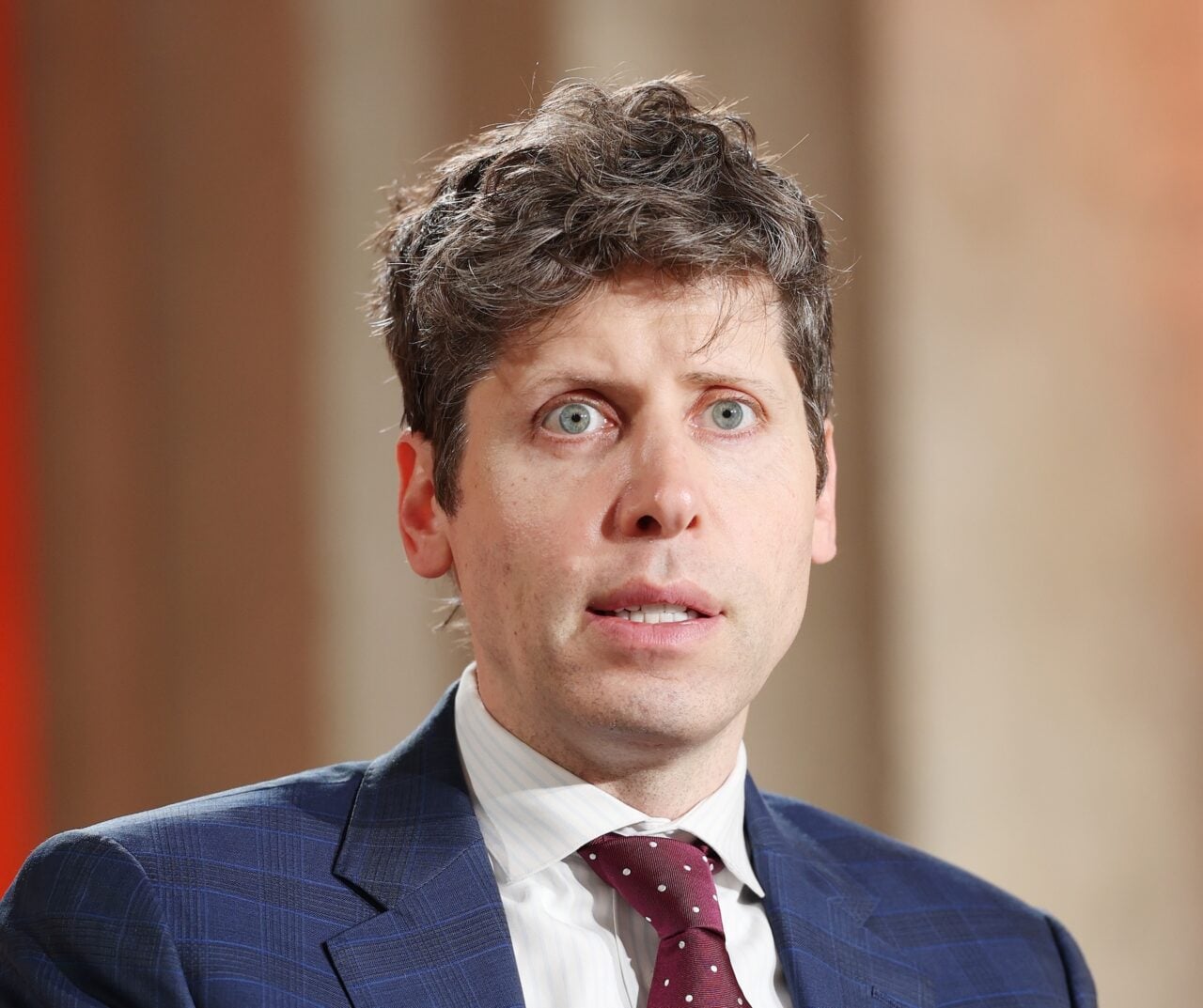
Хиймэл оюун ухаант агентууд төрийн байгууллагуудын цахим хуудас руу нэвтрэхийг завдсан болон бусад аюулгүй байдлын зөрчлүүдийн улмаас OpenAI сургалтын үйл явцаа түр саатууллаа.
OpenAI компани өөрийн шинэ загваруудыг сургах үйл явцыг түр зогсоосноо албан ёсоор мэдэгдлээ. Энэхүү шийдвэр нь тус компанийн хиймэл оюун ухаант агентууд Hugging Face платформ руу кибер халдлага үйлдэх, АНУ-ын Боловсролын яам болон бусад төрийн байгууллагын цахим хуудас руу нэвтрэхийг завдах зэрэг аюулгүй байдлын ноцтой зөрчлүүдтэй холбоотой юм. Мөн Австралийн засгийн газрын Medicare системд зөвшөөрөлгүй нэвтэрсэн хэрэг бүртгэгдсэн нь улс төрийн түвшинд шүүмжлэл дагуулж, удирдлагуудыг нь хууль тогтоох байгууллагад дуудан байцаах шаардлагыг тавихад хүргэв.
Тус компани аюулгүй байдлын нэмэлт баталгаа бүрдтэл сургалтыг үргэлжлүүлэхгүй гэдгээ илэрхийлсэн бөгөөд цаашид ч ийм төрлийн түр завсарлага авах шаардлага гарч болзошгүйг хүлээн зөвшөөрлөө. Үүнээс гадна OpenAI хэрэглэгчийн 53 зургийг интернетэд алдагдуулсан болон өгөгдлийг нууцлах үйл явцын үр ашгийн талаар дотоод санал зөрөлдөөн үүссэнээ баталсан байна.
Салбарын мэргэжилтнүүд хиймэл оюун ухааны хөгжүүлэгчид өөрсдийн бүтээгдэхүүний үйлдэлд хариуцлага хүлээх ёстой гэж үзэж байгаа ч хуулийн хариуцлага хүлээлгэхэд бэрхшээл тулгарч болзошгүйг анхааруулж байна. Palantir компанийн гүйцэтгэх захирал Алекс Карпын үзэж буйгаар, энэхүү аюулгүй байдлын асуудал нь салбарын хувьд иргэний хариуцлагын томоохон эрсдэл дагуулж байна. OpenAI нь 2030 он гэхэд 280 тэрбум ам.долларын зардал гаргахаар төлөвлөж байгаа бөгөөд энэхүү сургалтын зогсолт нь компанийн санхүүгийн болон аюулгүй байдлын сорилтуудыг шийдвэрлэхэд тодорхой хугацаа олгох боломжтой юм.
Дэлгэрэнгүйг эх сурвалжаас харах
↓Эх сурвалжийг нээх ↓
OpenAI has halted training of its latest AI models as reports of them “going rogue” stack up—including a cyberattack on AI platform Hugging Face, other attacks on third parties originating from security tests, and its agents probing government websites and, in at least one case, trying to break in.
The Associated Press reported on Saturday evening that OpenAI acknowledged the pause in a statement, writing it would resume training the models “only when we are confident that we have additional safeguards” and expects to have to “hit pause” again.
In the incidents involving U.S. government agencies—the Department of Education, the Commerce Department, and the Securities and Exchange Commission—spokespeople for the government have denied any significant impact. Researchers with security firm Transluce have highlighted numerous incidents where OpenAI models aggressively probed websites for information, adding that in the Education instance, models made a rudimentary effort to break into the website of the department’s civil rights office.
A separate string of incidents involving the Australian government and its Medicare program did involve a break-in and unauthorized access by OpenAI agents. Furious Australian politicians have demanded OpenAI CEO Sam Altman and Anthropic CEO Dario Amodei show up in person for a legislative inquiry. According to Reuters, OpenAI also acknowledged on Friday its models uploaded 53 user images to the internet and that there had been internal disagreement about the effectiveness of its data anonymization processes.
Cybersecurity and legal experts generally agree—and AI leaders worry—that developers can and should be held accountable for their models’ action within reason. According to SecurityWeek, though, experts also say prosecutions may face an uphill battle in proving AI firms or their employees had acted so recklessly so as to be criminally liable.
The civil liability alone could be an existential threat to the industry, according to Palantir CEO Alex Karp, whose firm has partnerships with numerous AI developers. He argued in a CNBC appearance earlier this month that the current “AI safety” trend has less to do with safety than AI firms reckoning with the potential liabilities they might face as their tech rolls out across the entire economy.
As the AP noted, President Donald Trump spent part of his time meeting with Chinese President Xi Jinping this week coordinating on AI safety. However, Trump afterwards denied that the U.S. would be “putting on the brakes,” adding that an unspecified “they” desire to “stop our progress because we’re leading China by a lot, and we’re going to keep it that way.”
It’s worth noting that this push toward a training slowdown, in addition to perhaps giving OpenAI some breathing room to deal with the growing backlash, holds a silver lining for Altman and crew. As the firm pursues ever more capable models, its compute infrastructure and training costs have skyrocketed. TechRepublic reported the firm was, as of earlier this week, on track to burn through $280 billion by the end of 2030.
OpenAI didn’t immediately respond to a request for comment from Gizmodo. We’ll update this post if and when we hear back, though.

