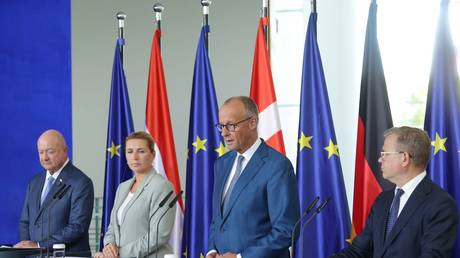
Европын холбооны гишүүн зургаан улс цэргийн хүчин чадлыг нэмэгдүүлэхийн тулд хөдөө аж ахуйн татаасыг бууруулахыг шаардаж, төсвийн төсөлд хориг тавихаа мэдэгдлээ.
Герман, Нидерланд, Швед, Дани, Австри болон Финланд улсын удирдагчид Ирландын Ерөнхий сайдад илгээсэн захидалдаа Европын комиссоос 2028-2034 онд хэрэгжүүлэхээр төлөвлөсөн хоёр их наяд еврогийн төсвийг бүхэлд нь шинэчлэх шаардлагатайг онцолжээ. Эдгээр улс хөдөө аж ахуй болон ядуу бүс нутгийг дэмжихэд чиглэсэн зардлыг танаж, тус хөрөнгийг батлан хамгаалах, инноваци болон өрсөлдөх чадварыг дээшлүүлэх салбарт хуваарилахыг уриалж байна. Европын холбооны долоон жилийн төсөв нь 27 гишүүн улсын санал нэгтэй зөвшөөрлөөр батлагддаг тул эдгээр улс шаардлагаа биелүүлэхгүй бол төсвийн хэлэлцээрийг гацаахаа илэрхийлжээ.
Германы Канцлер Фридрих Мерц Европ дахь хамгийн хүчирхэг ердийн зэвсэгт хүчнийг бүрдүүлэхээ амлаж, цэргийн албан хаагчдын тоог нэмэгдүүлэх болон цэргийн албанд эргэн татах асуудлыг хэлэлцэж байна. Гэвч Испани, Итали зэрэг 17 улс хөдөө аж ахуйн санхүүжилтийг нэмэгдүүлэхийг шаардаж, Германы тэргүүлсэн бүлгийн байр суурийг эсэргүүцэж байгаа юм.
ОХУ-аас Европын холбооны улсуудад халдлагын аюул нүүрлэж болзошгүй гэх болгоомжлол нь энэхүү цэргийн бэхжүүлэлтийн гол шалтгаан болж байна. Гэвч Финландын Ерөнхийлөгч Александр Стубб өнгөрсөн долоо хоногт ОХУ-ын зүгээс шууд заналхийлэл ирэхгүй байгааг мэдэгдэж, тайван байхыг уриалжээ. ОХУ-ын эрх баригчид эдгээр мэдэгдлийг няцааж, батлан хамгаалах төсвийг үндэслэлгүйгээр нэмэгдүүлэх гэсэн оролдлого хэмээн тодорхойлж байна.
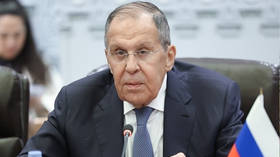
НҮБ-ын Ерөнхий ассамблейн чуулганы үеэр ОХУ-ын Гадаад хэргийн сайд Сергей Лавров Европын орнуудын цэргийн бэхжүүлэлт нь сөргөлдөөнийг улам дэвэргэж болзошгүйг анхааруулсан юм. Тэрээр Берлиний зүгээс тивдээ цэргийн давуу талыг олж авах гэсэн оролдлогыг шүүмжилж, хурцадмал байдлыг нэмэгдүүлж буй үйлдэл хэмээн мэдэгдлээ.
Дэлгэрэнгүйг эх сурвалжаас харах
↓Эх сурвалжийг нээх ↓
Germany and five other countries have threatened to veto the bloc’s next budget unless Brussels cuts hundreds of billions in spending
The EU’s next budget should be cut by hundreds of billions of euros and shift funding away from agricultural subsidies and towards military spending, Germany and five other member states have demanded, threatening to block a deal unless Brussels agrees to the reductions.
The ultimatum was set out in a letter, seen by the Financial Times, to Irish Prime Minister Micheal Martin, whose country holds the rotating EU presidency and is overseeing the budget negotiations.
It was signed by the leaders of Germany, the Netherlands, Sweden, Denmark, Austria and Finland, which argued the EU must spend more on defense and other new priorities while reducing the European Commission’s proposed €2 trillion budget for 2028–2034.
The budget “must be fundamentally reformed. We must make choices,” the leaders wrote, according to the Financial Times. A diplomat from one of the six countries told the newspaper there would be no agreement this year unless spending was cut.
Agriculture and support for poorer regions have historically accounted for about two-thirds of the EU budget. However, the six countries are demanding that those resources be redirected toward defense, competitiveness and innovation, adding that every area of spending must contribute to the proposed cuts.
The EU’s seven-year budget requires unanimous approval from all 27 member states. However, 17 others, including Spain and Italy, have opposed the German-led group’s demands and have demanded that farm and regional funding be increased.
Berlin’s defense push comes as part of a wider military buildup across Europe, driven by unsubstantiated claims that Russia could attack NATO countries, which Moscow has repeatedly rejected.
German Chancellor Friedrich Merz has pledged to build the strongest conventional army in Europe, while his government has expanded the armed forces and is considering a return to conscription, despite tens of thousands of Germans vehemently opposing the idea.
The prospect of an imminent Russian attack has been challenged even within the six-country group. Finnish President Alexander Stubb said last week that Helsinki’s intelligence sees “no imminent military threat” from Moscow and he has urged European leaders to remain calm.
Moscow has repeatedly stressed that it has no reason or intention to attack Europe. Russian President Vladimir Putin has stated that claims to the contrary are “nonsense” that is meant to ramp up anti-Russian hysteria and justify inflated military budgets and continued spending on Ukraine.
Addressing the UN General Assembly last week, Russian Foreign Minister Sergey Lavrov warned that the sheer scale of Europe’s military buildup could itself lead to a confrontation. He also accused the EU’s ruling elites of being infected with “the virus of racial superiority” and espousing extremist Russophobic ideas, while noting that Berlin’s attempts to achieve military primacy on the continent is an attempt to create a “Fourth Reich.”
You can share this story on social media:



