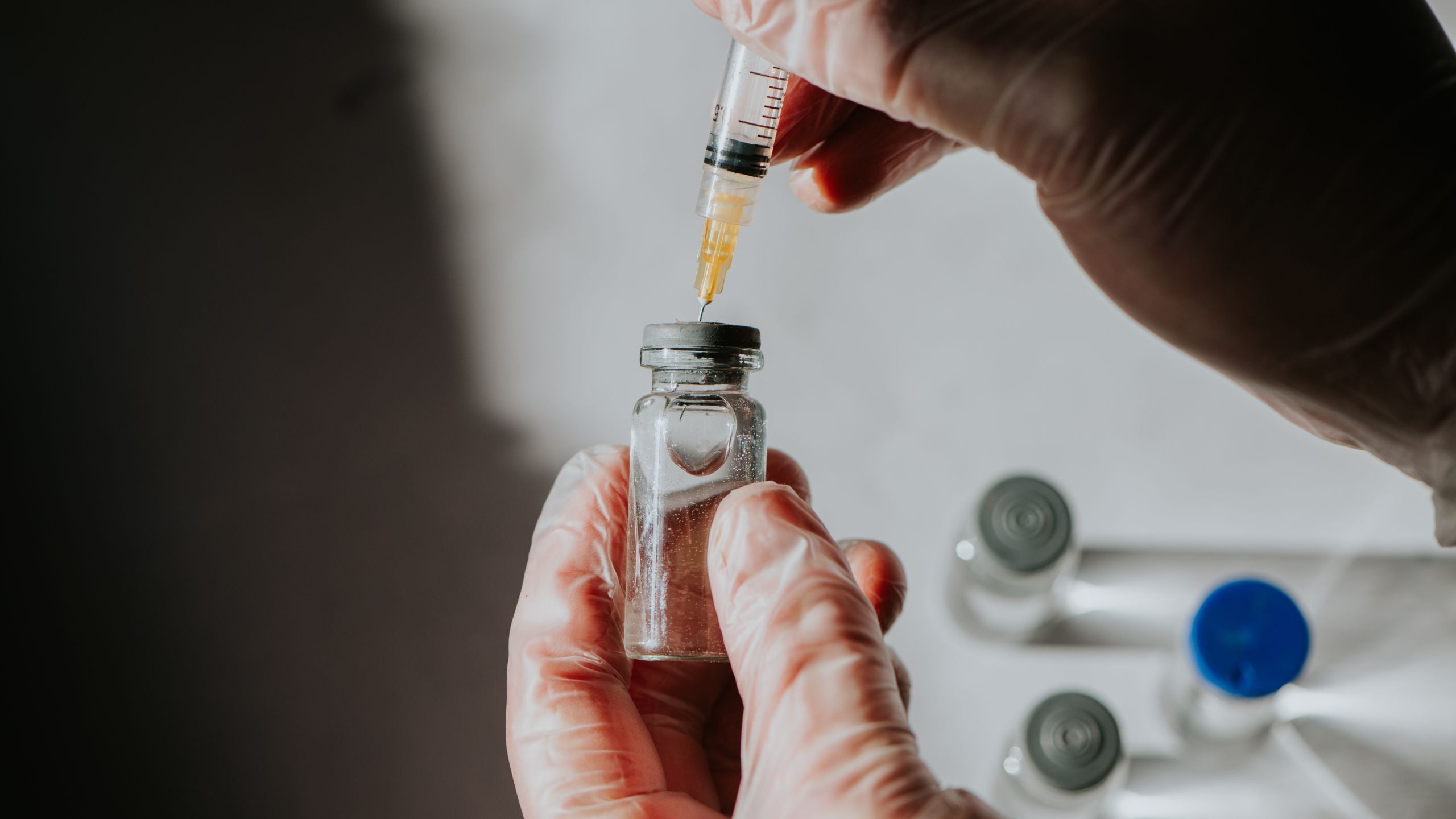
Судлаачид өвчтөний хавдрын эсэд суурилсан тусгай вакциныг боловсруулж, дархлааны тогтолцоог хорт хавдрыг таньж устгахад сургах аргыг туршиж байна.
Бөөрний эсийн хавдартай есөн өвчтөнд хийсэн нэгдүгээр үе шатны эмнэлзүйн туршилтаар уг вакцин аюулгүй бөгөөд дархлааны хариу урвал өдөөж байгааг тогтоожээ. Мэс заслын аргаар хавдраа бүрэн авахуулсан оролцогчдыг дунджаар гурван жил дөрвөн сарын турш ажиглахад хэний ч хавдар дахиагүй байна. Судалгаанд оролцогчдын долоод нь вакцины нөлөөгөөр үүссэн Т-эсүүд өөрийнх нь хавдрын эсийг таньж байгаа нь тогтоогдсон юм.
Yale University-ийн судлаач David Braun болон Dana-Farber Cancer Institute, Harvard Medical School-ийн Toni Choueiri нарын тайлбарласнаар, энэхүү вакцин нь хавдрын ДНХ-ийн өөрчлөлтөөс үүдэлтэй “неоантиген” хэмээх уургийн хэлтэрхийг ашиглан дархлааны тогтолцоог чиглүүлдэг байна. Туршилтад оролцогчдын тавд нь ipilimumab хэмээх дархлаа эмчилгээний эмийг хамт хэрэглэсэн бол дөрөвт нь зөвхөн вакцин тарьжээ. Нийтлэг илэрсэн гаж нөлөө нь тарилгын хэсгийн цочрол болон томуу төст шинж тэмдэг байсан бөгөөд ноцтой сөрөг үр дагавар гараагүй байна.
Гэсэн хэдий ч энэхүү судалгаа нь цөөн тооны оролцогчтой тул вакцин нь хавдар дахихаас сэргийлж буйг бүрэн нотлоход учир дутагдалтай юм. Судлаачид энэхүү аргыг илүү өргөн хүрээнд туршиж, одоогийн мөрдөгдөж буй эмчилгээний стандарттай харьцуулан үр дүнг нь баталгаажуулах шаардлагатай гэдгийг онцолжээ. Уг судалгааны үр дүнг Nature сэтгүүлд нийтэлсэн байна.
Дэлгэрэнгүйг эх сурвалжаас харах
↓Эх сурвалжийг нээх ↓
How do you teach the immune system to recognize a cancer cell?
Researchers are taking clues from the tumor itself, selecting unusual protein fragments and putting them into a vaccine. The aim is to help the body recognize that particular patient’s cancer.
In a small kidney cancer trial, this approach produced encouraging results. Nine people received an experimental vaccine tailored to their own tumors.
None experienced a recurrence during a median follow-up of roughly three years and four months after surgery.
All nine developed immune responses to the vaccine. In seven, vaccine-reactive T cells could also recognize the patient’s own tumor. T cells are immune cells that help identify threats and coordinate or carry out an attack.
But these findings do not yet prove that vaccination prevented the cancer from returning.
“With the limited number of patients, we must be cautious with further interpretation,” David Braun of Yale University and Toni Choueiri of Dana-Farber Cancer Institute and Harvard Medical School, both in the US, told ScienceAlert in a joint response.
All participants had clear cell renal cell carcinoma,the most common form of kidney cancer in adults. Seven had stage III disease and two had stage IV disease. Their cancers had been completely removed by surgery, and none had detectable disease when vaccination began.
They nevertheless faced a high risk of recurrence. The researchers hoped to train their immune systems to recognize any cancer cells that might remain after surgery, too few to be detected.
To make the vaccines, the team examined tumor tissue collected during surgery. Some changes in cancer-cell DNA produce protein fragments that differ from those in healthy cells. Called neoantigens, these fragments can give the immune system targets that distinguish cancer from normal tissue.
The researchers selected targets from each person’s tumor and manufactured an individual vaccine. Five patients also received the immunotherapy drug ipilimumab near the vaccination site; four received the vaccine without it.
Finding suitable targets in kidney cancer presents a challenge. These tumors generally carry fewer mutations than cancers such as melanoma, wherepersonalized vaccines have also been investigated. That can leave fewer potential targets to choose from. Nevertheless, the team successfully made a vaccine for every participant.
“Our goal was to build durable immunity against tumor-specific antigens that would ultimately lead to an anti-tumor immune response,” Braun and Choueiri said.
The team detected responses to vaccine targets in all nine patients. Tracking vaccine-specific T cell populations also showed that the responses persisted for years.
An important test remained, however. Recognizing a protein fragment in a laboratory experiment does not necessarily mean an immune cell can recognize the patient’s actual tumor.
The researchers therefore tested vaccine-reactive T cells against living tumor cells collected during each patient’s surgery and preserved by freezing. They detected tumor recognition in seven of the nine cases.
“We therefore investigated whether vaccine-reactive T cells were capable of recognizing the patient’s own tumor,” Braun and Choueiri said. Preserving viable tumor cells for every patient made this technically challenging, they explained.
The most common treatment-related effects were injection-site reactions and temporary flu-like symptoms. No participant experienced a grade 3 or higher treatment-related adverse event. That encouraging safety finding needs confirmation in a larger population.
Thephase 1 studywas designed primarily to assess safety and tolerability, including the maximum tolerated dose of locally administered ipilimumab. It also measured immune responses.
Without a comparison group, researchers cannot determine how many patients would have experienced a recurrence without vaccination. Nor can this small trial establish whether adding ipilimumab helped.
The findings show that personalized vaccines can be made for this cancer and generate lasting immune responses, including recognition of patients’ own tumors. Whether those responses improve outcomes remains uncertain.
“However, we need to evaluate personalized cancer vaccines in a much larger number of patients and make sure that the vaccine actually improves outcomes compared to the current standard of care,” Braun and Choueiri said.
They highlightedINTerpath-004, a larger randomized trial testing a different personalized vaccine based on mRNA. It compares the vaccine plus pembrolizumab immunotherapy with placebo plus pembrolizumab, assessing whether adding vaccination improves outcomes.
The research has been published in Nature.
This article was fact-checked by Fiona MacDonald and edited by Fiona MacDonald. While we pride ourselves on our process, we are only human. If you spot a mistake, please let us know.

