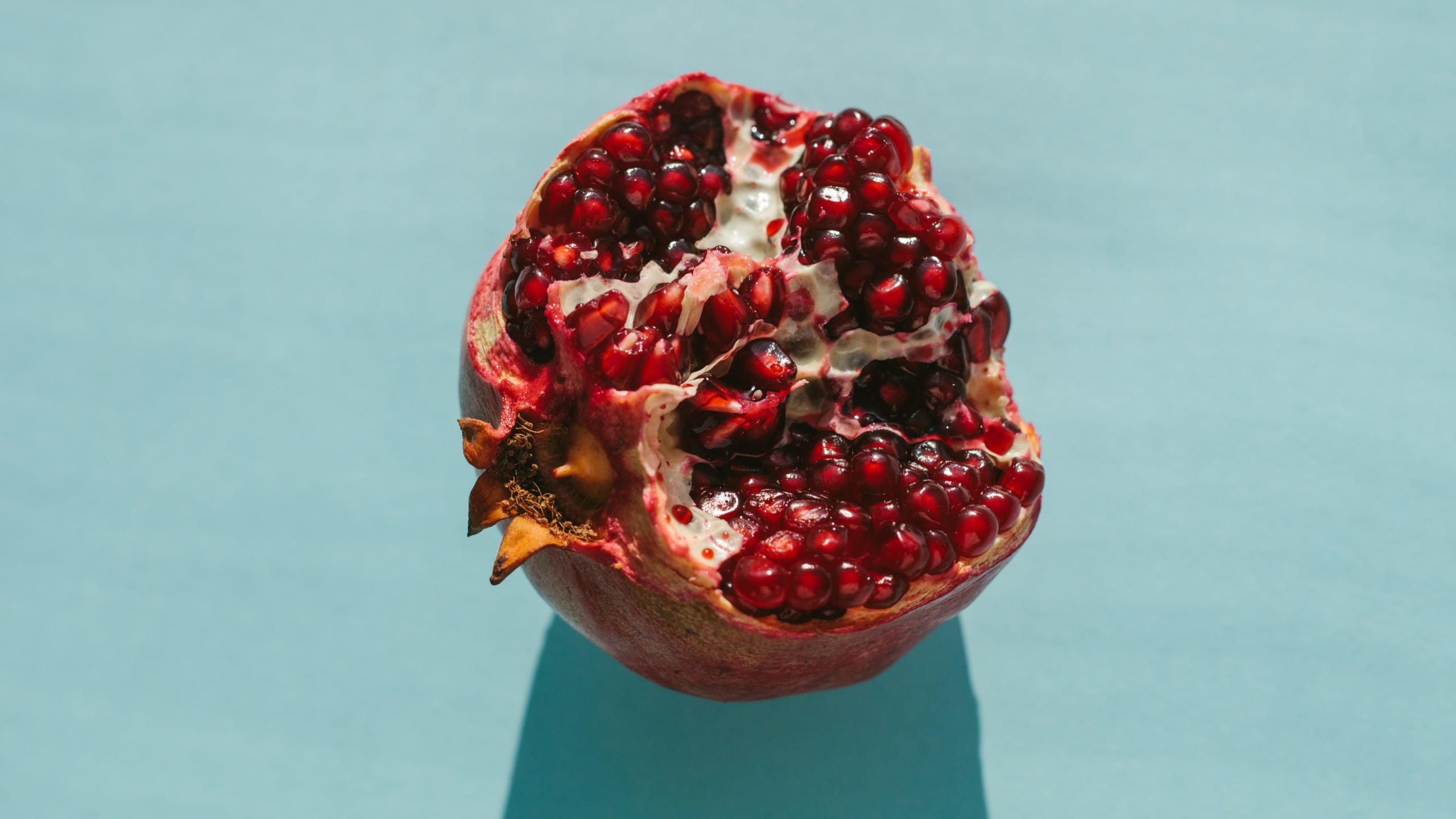
King’s College London-ийн судлаачид анар жимсэнд агуулагддаг уролитин А хэмээх бодис нь зүрхний дутагдлын нэг төрлийг эмчлэхэд тус дөхөм байж болохыг илрүүлжээ.
Science Advances сэтгүүлд нийтлэгдсэн уг судалгаагаар уролитин А нь зүрхний хэвийн агшилт, сулралтыг дэмждэг PKGIα хэмээх уургийг идэвхжүүлдэг болохыг тогтоосон байна. Зүрхний хатуурал болон дутагдалтай хулгана дээр хийсэн туршилтаар уг бодис зүрхний үйл ажиллагааг 80 хүртэлх хувиар сайжруулж, зүрхний булчингийн сорвижилтыг багасгаж, цусны даралтыг бууруулахад эерэг нөлөө үзүүлжээ. Мөн лабораторийн нөхцөлд гарган авсан хүний зүрхний эдэд хийсэн туршилтаар ижил үр дүн ажиглагдсан байна.
Энэхүү судалгаа нь зүрхний агшилт хэвийн боловч сулрах үедээ хатуурдаг, эмчлэхэд хүндрэлтэй “зүрхний дутагдлын үеийн зүрхний хөндийн сулрал” (HFpEF) гэх өвчнийг эмчлэх шинэ арга замыг нээж магадгүй юм. Судалгааны ахлах зохиогч, зүрх судасны эрдэмтэн Жозеф Бургойн (Joseph Burgoyne) цоо шинэ эмчилгээний байг олж тогтоосон нь өвчтөнүүдийн амьдралын чанарыг сайжруулах боломжтойг онцолсон байна.
Гэсэн хэдий ч энэхүү үр дүн нь зөвхөн амьтан болон лабораторийн эдэд хийгдсэн туршилт тул хүмүүст шууд эмчилгээ болгон ашиглах хангалттай нотолгоо хараахан байхгүй гэдгийг мэргэжилтнүүд анхаарууллаа. British Heart Foundation-ийн Судалгааны захирал Жеймс Лейпер (James Leiper) энэ нь ирээдүйтэй нээлт хэдий ч эмнэлзүйн туршилт зайлшгүй шаардлагатайг тэмдэглэв. Одоогоор анар жимс идэх нь зүрхний дутагдлыг эмчлэх арга гэж үзэх боломжгүй бөгөөд зөв зохистой хооллолт нь зүрхний эрүүл мэндийг хамгаалах хамгийн үр дүнтэй арга хэвээр байна.
Дэлгэрэнгүйг эх сурвалжаас харах
↓Эх сурвалжийг нээх ↓
Each time you eat a juicy pomegranate, your gut bacteria can produce a natural metabolite called urolithin A.
This little-known compound is making a big splash.
In recent years, scientists have paid close attention to urolithin A because it seems to have anti-inflammatory, antioxidant, anti-tumor, and anti-aging properties.
Initial evidence in humans even suggests that urolithin A can help the body remove aged or damaged parts of our cells, thereby improving their overall health.
Now, for the first time, researchers at King’s College London (KCL) have found evidence that urolithin A can activate a protein that plays a key role in heart health.
In mouse models with stiff and failing hearts, urolithin A improved measures of heart function by as much as 80 percent compared to untreated animals, according to a press release from KCL.
The findings are published in Science Advances, with financial support from the British Heart Foundation.
The results have scientists hopeful that urolithin A could be a previously unidentified treatment option for a common form of heart failure.
It’s called heart failure with preserved ejection fraction (HFpEF), a cardiovascular condition that occurs when the heart still squeezes normally but is too stiff to relax properly during the refilling stage.
It is very difficult to treat. Perhaps urolithin A could help fill that gap.
“This raises the exciting possibility of developing new treatments that improve clinical outcomes and quality of life for people living with the condition,” says cardiovascular scientist Joseph Burgoyne, senior author of the study.
“While there isn’t enough evidence to suggest that people should eat pomegranates to treat heart failure, these findings raise the possibility that dietary approaches that enhance urolithin A production may help alleviate this condition.”
The study was based on research conducted in mice and also in human heart tissue made from stem cells in the lab.
In mice with stiff and failing hearts, urolithin A reduced scarring in the heart and helped the organ to relax properly between beats.
That ultimately eased the pressure inside the heart, which can otherwise lead to fluid buildup and harmful enlargement.
To see if these hopeful results might extend to our own species, Burgoyne and colleagues tested urolithin A on lab-grown human heart tissue.
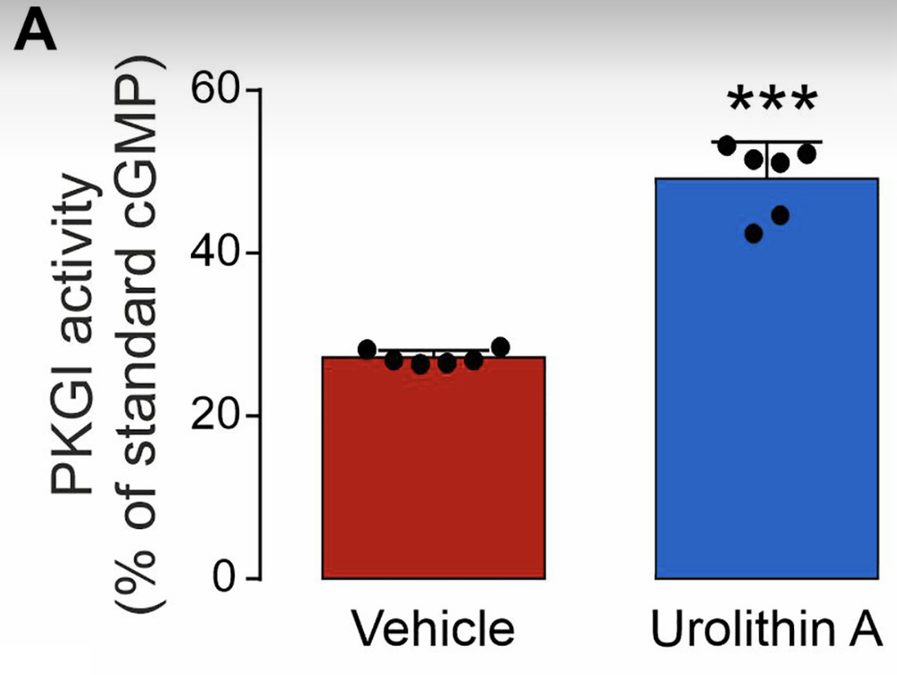
Sure enough, the metabolite helped this heart tissue contract and relax faster, likely by activating a protein called PKGIα.
This protein is involved in lowering blood pressure and helping the heart relax again after a beat.
“Our findings identify a completely new therapeutic target and show that urolithin A can activate this pathway to improve heart relaxation and reduce disease severity,” explains Burgoyne.
Today, there are very few available treatments for those living with HFpEF.
Many established therapies for heart failure are focused on helping a weakened organ keep pumping. But that is not a problem in those with HFpEF.
In this condition, the heart continues to pump properly, but it struggles to relax between each beat.
“This type of heart failure is becoming increasingly common as populations age and rates of obesity and diabetes rise,” explains Burgoyne.
“Despite its growing burden, treatment options remain limited because the disease is complex and varies considerably between patients.”
Whether or not urolithin A actually helps treat heart failure in actual patients with HFpEF will require a randomized controlled trial involving a large and diverse cohort of participants.
The current study only focused on male mice, although women tend to suffer from HFpEF more than men.
But preclinical studies suggest that there are sex-dependent differences in how the hearts of rodents respond to metabolic and hypertensive stress.
So it’s unclear if these results will extend to females.
“While these findings are promising, the benefits have so far been seen in animals and engineered human tissue, so clinical trials involving people are needed to test if this approach is effective for patients,” says James Leiper, Director of Research at the British Heart Foundation.
“In the meantime, a healthy, balanced diet remains one of the best ways to look after your heart.
“Eating plenty of fruit and vegetables is linked to better heart health, but it’s important to remember that no single food can prevent or treat heart disease on its own.”
The research has been published in Science Advances.
This article was fact-checked by Rebecca Dyer and edited by Rebecca Dyer. While we pride ourselves on our process, we are only human. If you spot a mistake, please let us know.

