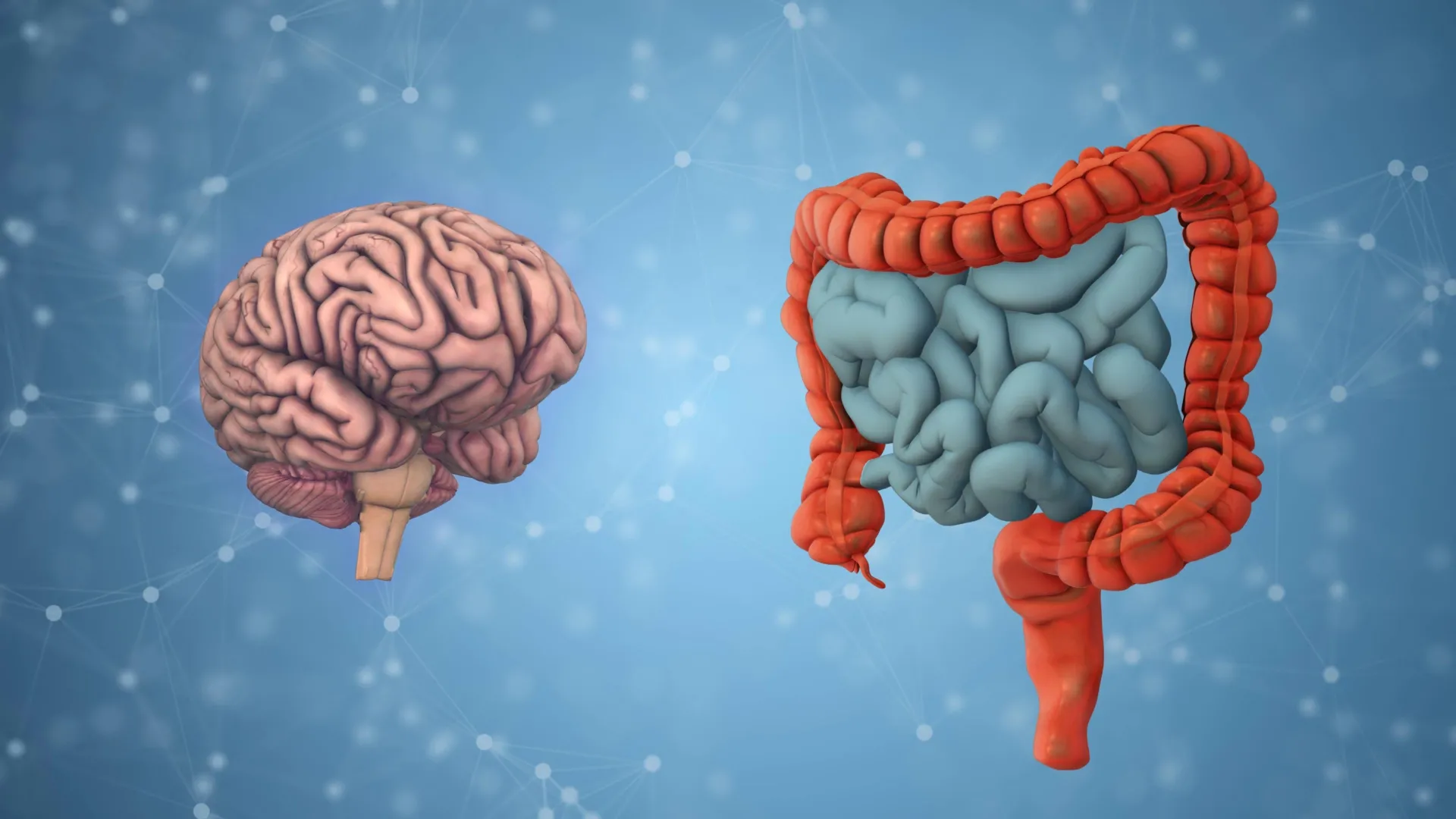
UCLA Health-ийн судлаачид тархины хөгшрөлтийн явц болон гэдэсний бактерийн үйл ажиллагаа хоорондоо холбоотой байж болохыг тогтоожээ.
UCLA Health-ийн эрдэмтдийн eBioMedicine сэтгүүлд нийтэлсэн судалгаагаар 1,500 орчим насанд хүрэгчдийн тархины үйл ажиллагааны сканердсан дүрсэд дүн шинжилгээ хийжээ. Судлаачид хүний тархины хэсгүүдийн хоорондын харилцааг хэмжиж, үүний үндсэн дээр “Тархины хөгшрөлтийн индекс” (BAI)-ийг гаргасан байна. Энэхүү индекс нь хүний бодит нас болон тархины харагдах насны зөрүүг илэрхийлдэг аж.
Судалгаанд оролцогчдын дунд тархи нь бодит наснаасаа хөгшин харагдаж буй хүмүүс ой тогтоолт, төлөвлөх болон зохион байгуулах чадварын сорилтуудад харьцангуй муу үр дүн үзүүлжээ. Түүнчлэн, BAI индекс өндөртэй хүмүүс сэтгэл гутралын шинж тэмдгийг илүүтэй мэдээлсэн байна. Эдгээр өөрчлөлт нь ой санамж болон өөрийгөө ухамсарлах үйл явцад оролцдог тархины хэсгүүдтэй холбоотой байв.
Судлаачид гэдэсний бактерийн ялгаруулдаг зарим химийн нэгдлүүд тархины хөгшрөлтөд нөлөөлдөг болохыг тогтоожээ. Тодруулбал, өөх тосны молекулууд, холестерины төрлийн нэгдлүүд болон эстетрол дааврын түвшин нь тархины хөгшрөлтийн явцтай холбоотой байв. Эдгээр биологийн дохио нь дархлааны систем, судасны үйл ажиллагаа болон эсийн энерги үйлдвэрлэх үйл явцад нөлөөлдөг байна.
Доктор Арпана Чөрчийн тэмдэглэснээр, тархины хөгшрөлтийн биологийн дохио нь санах ой болон сэтгэхүйн асуудал илрэхээс хэдэн арван жилийн өмнө илэрч болохыг энэхүү судалгаа харуулж байна. Ирээдүйд гэдэсний эрүүл мэндийг чиглэсэн арга хэмжээнүүд нь тархины эрүүл насыг дэмжих, танин мэдэхүйн доройтлоос урьдчилан сэргийлэх шинэ стратеги болох боломжтойг эрдэмтэд онцоллоо.
Дэлгэрэнгүйг эх сурвалжаас харах
↓Эх сурвалжийг нээх ↓
A new UCLA study suggests that the pace of brain aging may be connected to bacteria in the gut and the chemical compounds they produce. The findings offer a new look at biological changes that may begin long before noticeable problems with memory or thinking appear.
Scientists have used brain scans for years to estimate a person’s “brain age,” which can differ from chronological age. Previous research has found that when the brain appears older than expected, that pattern can be associated with poorer memory, weaker thinking skills and changes in mood.
Most earlier studies, however, focused on older adults or people who already had neurological conditions. That left an important question unanswered: does an older looking brain also matter in younger, generally healthy adults?
Measuring How Old the Brain Appears
In a new study published in the journal eBioMedicine, UCLA Health researchers examined brain scans from nearly 1,500 adults divided across three separate groups.
The team used a scanning approach that measures how different areas of the brain communicate with one another while a person is at rest. Researchers then created a computer model that estimated each person’s age based on those communication patterns.
They compared the estimated brain age with each participant’s actual age. The difference between the two became what the researchers called the Brain Aging Index (BAI).
Older-Looking Brains Were Linked to Memory and Mood
Across all three groups, participants whose brains appeared older than their chronological age generally performed worse on tests of working memory and executive function. Those abilities help people hold information in mind, stay focused, plan, and organize.
People with a higher Brain Aging Index also reported more symptoms of depression. The patterns repeatedly involved brain regions associated with memory and self-referential thought, or the mental processes people use when thinking about themselves and their own experiences.
Gut Bacteria Offer Another Clue
For one of the study groups, the researchers also examined stool samples to see whether differences in brain aging were connected to changes in the gut.
They found that a higher Brain Aging Index was associated with specific gut bacteria and several metabolic byproducts. These included certain fat molecules, a cholesterol-related compound and lower levels of a hormone called estetrol.
The pathways connected with these biological signals involved the immune system, blood vessel function, communication between brain cells and the processes cells use to produce energy.
Signs of Brain Aging May Appear Decades Early
“Brain aging doesn’t suddenly begin when we get older, but the biological signals may be detectable decades earlier,” said the study’s senior author Dr. Arpana Church, co-director of the Goodman-Luskin Microbiome Center at UCLA Health. “By linking these early brain changes with the gut microbiome and its metabolites, we are beginning to identify pathways that could ultimately help us understand who may be at risk and, importantly, where we might intervene to support healthier brain aging. This ultimately opens the door to exploring whether targeting gut health could one day support healthier brain aging.”
Church said the findings may eventually help researchers identify people at greater risk of cognitive or mood-related decline earlier in life. They also raise the possibility that the gut could become a target for future strategies designed to support brain health and prevention earlier in life.

