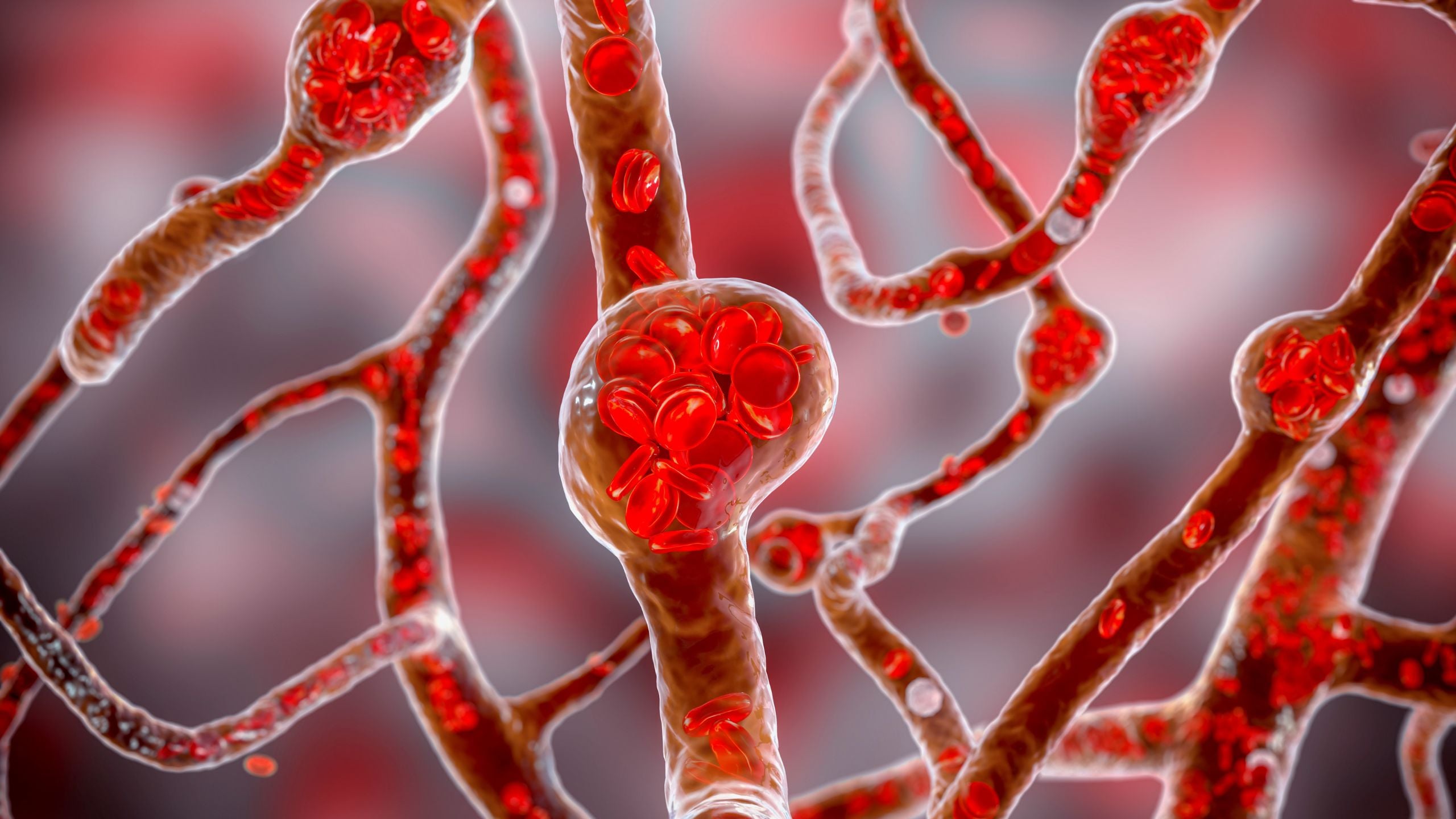
Судлаачид тархины хажуугийн парафациал (pFL) хэсэг нь цусны даралтыг нэмэгдүүлдэг биологийн өөрчлөлтийг өдөөдөг болохыг илрүүлсэн байна.
Бразилийн University of São Paulo болон Шинэ Зеландын University of Auckland-ийн багийн 2025 онд хийсэн судалгаагаар амьсгалын хяналттай холбоотой тархины pFL бүс нь цусны судас агшаах дохио өгч, цусны даралт ихсэлтэд нөлөөлдөг болохыг тогтоожээ. Уг судалгааг хархан дээр туршсан бөгөөд генетикийн аргаар pFL мэдрэлийн эсийг идэвхжүүлэхэд цусны даралт өсөж, харин идэвхгүй болгоход даралт хэвийн түвшинд хүртэл буурсан байна. Энэхүү үйл явц нь симпатик мэдрэлийн системийн идэвхжилтэй холбоотой бөгөөд даралт ихсэх өвчний нейроген буюу мэдрэлийн гаралтай шалтгаан байж болзошгүй гэж үзжээ.
Судлаач, физиологич Жулиан Патон цусны даралт ихсэлттэй өвчтөнүүдийн 50 орчим хувьд нь мэдрэлийн гаралтай хүчин зүйл нөлөөлдөг тул энэхүү нээлт нь эмчилгээний шинэ стратегийг боловсруулахад чухал ач холбогдолтой гэв. Ялангуяа нойрны апноэ буюу унтаж байх үеийн амьсгалын хямрал нь pFL хэсгийг идэвхжүүлж, цусны даралт ихсэх эрсдэлийг нэмэгдүүлдэг байж болох талтай. Гэсэн хэдий ч энэ нь амьтны загвар дээр хийгдсэн судалгаа тул хүний биед яг ижил механизм үйлчлэх эсэхийг цаашид нарийвчлан судлах шаардлагатай юм.
Мөн оны эхээр Cardiovascular Research сэтгүүлд нийтлэгдсэн өөр нэгэн судалгаагаар В6 аминдэмийн идэвхтэй хэлбэр болох пиридоксал 5-фосфат нь хүзүүний хэсэгт байрлах “каротид бие” (carotid body) мэдрэгчүүдийн P2X3 хүлээн авагчийг блоклосноор цусны даралтыг бууруулж болохыг харуулжээ. Энэхүү арга нь тархи руу шууд нөлөөлөхгүйгээр цусны даралтыг хянах боломжийг олгож болох юм. Одоогоор эдгээр судалгааны үр дүнг эмнэлзүйн практикт нэвтрүүлэхийн тулд нэмэлт туршилт, судалгаа хийх шаардлагатай хэвээр байна.
Дэлгэрэнгүйг эх сурвалжаас харах
↓Эх сурвалжийг нээх ↓
A study has found evidence that a specific brain region could be contributing to some cases of high blood pressure.
And importantly, there may also be a way to reverse it.
According to the 2025 study, carried out by a team from the University of São Paulo in Brazil and the University of Auckland in New Zealand, the lateral parafacial (pFL) brain region can trigger biological changes that raise blood pressure.
The pFL is linked to breathing control – specifically those forceful and deliberate exhalations that happen during exercise or when we cough or laugh.
In tests carried out on rats, the researchers found it can also do something else: tighten up blood vessels.
That combination of breath control and blood vessel signaling could be driving hypertension in some cases, the researchers say.
It might explain why so many people (around 40 percent by some estimates)still have uncontrolledblood pressure despite taking anti-hypertensive medications.
The study suggests that pFL neurons may link changes in breathing rhythms – which wouldn’t necessarily be noticeable – to increased activity in the sympathetic nervous system (our ‘fight-or-flight’ response) that helps control blood pressure, fitting with previous research that has linked hypertension to the brain and nervous system.
“Given that around 50 percent of patients with hypertension have a neurogenic component, the challenge is to understand mechanisms generating sympatho-excitation in hypertension,” write the researchers in their published paper.
“Such a revelation would provide much-needed clinical orientation for new therapeutic strategies.”
In their experiments in rats, the researchers used genetic engineering techniques to turn pFL neurons on or off, then observed the effects. Breathing-related nerve activity, sympathetic nerve activity, and blood pressure were all monitored.
The researchers activated pFL neurons in some rats, and found this triggered other brain circuits that ultimately raised the animals’ blood pressure.
They were then able to map out brainstem and nerve activity in detail, including the other neurons that the pFL region was communicating with, and compare it with readings from control rats without hypertension.
In hypertensive rats, pFL neurons weren’t just helping with breathing, but also acting to constrict blood vessels. The finding also revealed a new potential treatment pathway.
“We discovered that, in conditions of high blood pressure, the lateral parafacial region is activated and, when our team inactivated this region, blood pressure fell to normal levels,” says physiologist Julian Paton, from the University of Auckland.
The findings published here also go some way to explaining why people who have sleep apnea – problems breathing in the night – also have a higher risk of high blood pressure.
It’s that connection between breathing and blood flow again: While pFL neurons aren’t involved in normal breathing, they fire up in response to high CO2 or low oxygen levels, which is what happens during sleep apnea.
It’s important to acknowledge that this research only used animal models – it’s likely but not certain that the same circuitry is involved in people too.
However, with around a third of the global population thought to have a problem with high blood pressure – and many of those unable to access medication that can help – the need for new treatment options is an urgent one. Hypertension seriously increases the risk of many heart issues and has been linked to multiple other conditions, such as dementia.
Related: Study Reveals How Much Exercise You Need Weekly To Control Blood Pressure
The next challenge is figuring out how drugs might be able to target the pFL neurons in particular, without interfering with anything else – and the researchers report that they’ve made some headway here too.
Carotid bodies are clusters of cells that act like tiny sensors in the neck, and can influence pFL neurons from outside the brain. The researchers believe that targeting these sensors might be enough to keep the pFL region in check.
Paton explained the strategy: “Our goal is to target the carotid bodies, and we are importing a new drug that is being repurposed by us to quench carotid body activity and inactivate remotely the lateral parafacial region safely,i.e., without needing to use a drug that penetrates the brain.”
That search for a way to hit the carotid bodies from outside the brain may already be further along than that quote suggests.
A separate study from the same University of Auckland group, published at the start of this year in Cardiovascular Research, found that pyridoxal 5′ phosphate – the active form of vitamin B6 – blocks a receptor called P2X3 that becomes overactive in the carotid bodies of people with high blood pressure, dialling down the nerve signals that drive it up in the first place.
In hypertensive rats, infusing the compound dropped blood pressure by an average of almost 16 mmHg.
A small trial in 14 people with hypertension found the same approach eased the body’s exaggerated response to low oxygen, at least in those whose chemoreflex was most sensitive to begin with.
It’s not the same ‘new drug’ Paton mentioned repurposing, but it’s a second line of evidence homing in on exactly the same target – and unlike the rat work in this study, this one’s already been tested in people.
While this strategy might seem easier than getting a drug to penetrate the brain,it will still require extensive testing.
The research has been published in Circulation Research.
This article was fact-checked by Rebecca Dyer and edited by Rebecca Dyer. While we pride ourselves on our process, we are only human. If you spot a mistake, please let us know.

