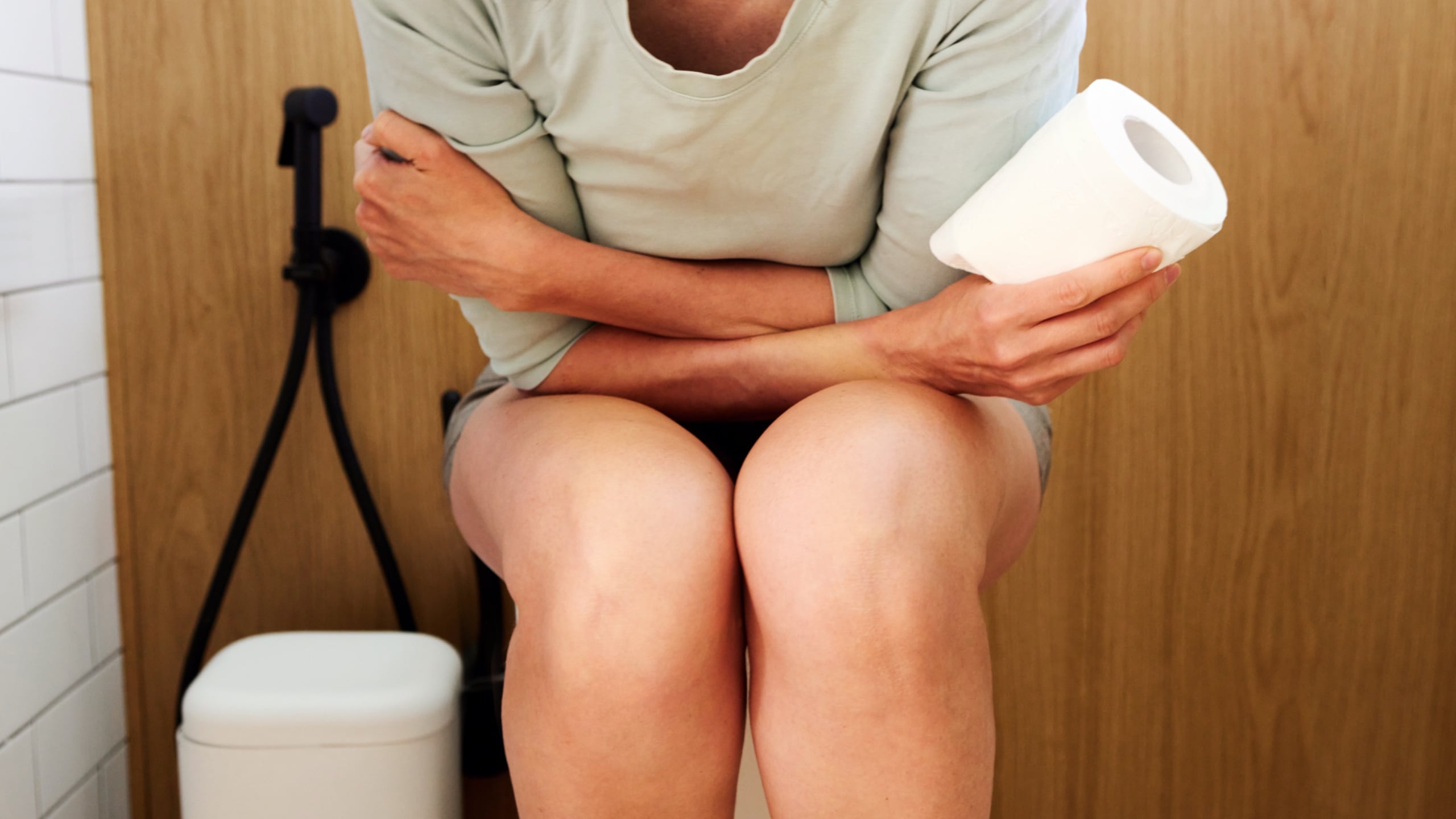
Идэвхтэй хөдөлгөөн нь өтгөн хаталтыг бууруулах, гэдэсний үйл ажиллагааг шууд дэмжих үр дүнтэй арга болохыг шинэ судалгаа харууллаа.
Fujita Health University-ийн судлаачид эрүүл мэндийн хувьд ямар нэгэн асуудалгүй 21 насанд хүрсэн хүнийг оролцуулан, алхалт нь гэдэсний үйл ажиллагаанд хэрхэн нөлөөлөхийг судалжээ. Судалгаанд оролцогчид таван минут амарч суурь үзүүлэлтээ хэмжүүлсний дараа гүйлтийн зам дээр 20 минутын турш дунд зэргийн хурдаар алхсан байна. Энэхүү туршилтын явцад гэдэсний гүрвэлзэх хөдөлгөөнийг илэрхийлэгч дуу авианы давтамж болон эрчмийг цахим чагнуураар хэмжжээ.
Судалгааны үр дүнд алхалт хийсний дараа гэдэсний дуу авианы үзүүлэлтүүд болох дууны хүч, үргэлжлэх хугацаа болон тоо хэмжээ 1–2 минутын турш нэмэгдсэн байна. Судлаачдын үзэж буйгаар, энэхүү өөрчлөлт нь биеийн тамирын дасгалын нөлөөгөөр гэдэсний гүрвэлзэх хөдөлгөөн идэвхжиж, хоол боловсруулах замын булчингийн агшилт сайжирсны шинж тэмдэг байж болзошгүй юм.
Үүсч буй энэхүү нөлөөг судлаачид хоёр үндсэн шалтгаанаар тайлбарлаж байна. Нэгдүгээрт, дасгалын дараах автономит мэдрэлийн тогтолцооны өөрчлөлт, ялангуяа парасимпатик мэдрэлийн идэвхжил нэмэгдсэн байж болох талтай. Хоёрдугаарт, алхах үеийн биеийн хөдөлгөөнөөс үүдэлтэй чичирхийлэл нь гэдэсний орон нутгийн рефлексийг өдөөж, хөдөлгөөнийг нь дэмждэг байх магадлалтай аж.
Гэсэн хэдий ч судалгаанд оролцогчид өтгөн хаталтын шинж тэмдэггүй байсан, мөн гэдэсний дуу авиа нь гүрвэлзэх хөдөлгөөнийг бүрэн дүүрэн илэрхийлэгч ганц үзүүлэлт биш гэдгийг мэргэжилтнүүд онцолсон байна. Хэдийгээр эдгээр механизмыг батлахын тулд нэмэлт судалгаа шаардлагатай ч, энгийн алхалт нь өтгөн хаталтыг удирдах, гэдэсний үйл ажиллагааг сайжруулахад хялбар бөгөөд аюулгүй арга болохыг уг судалгаа Scientific Reports сэтгүүлд нийтэлжээ.
Дэлгэрэнгүйг эх сурвалжаас харах
↓Эх сурвалжийг нээх ↓
Nobody likes the feeling of being constipated, but the consequences of being backed up might be more serious than you realize.
Research shows that the amount of time poop sticks around in your body can have an overlooked impact on your health and quality of life, with constipation being a known risk factor for cardiovascular events, including heart attacks, heart failure, and stroke, among other complications.
Fortunately, there are steps you can take to get things moving again, and one of the easiest strategies is simply doing some light exercise.
We know that people who do regular exercise have less risk of developing constipation, whereas low levels of physical activity and high amounts of sedentary behavior may increase your chances of getting blocked.
What’s less clear, though, is what exercise actually does inside the body to help prevent or alleviate constipation, but a recent study published in Scientific Reports offers some plausible explanations – and suggests physical activity has an “immediate effect” on your gut, which could help ease the problem.
In an experiment, a team of researchers from Fujita Health University in Japan recruited 21 healthy adult participants specifically to listen to the sounds of their bowels.
“Walking can serve as an effective, immediate tool for stimulating bowel function.” – senior author and rehabilitation physician Yohei Otaka
Ordinarily, other people’s bowel sounds aren’t something you want to hear, but in terms of medical analysis, they’re an established and non-invasive indicator of gut motility – the muscle movements that move food along the gastrointestinal (GI) tract during the digestion process.
“Bowel sounds have been used as indirect measurements of gut motility since the early 1900s,” the team explains in their paper, led by physical therapist Kento Katagiri.
“The bowel sound is produced by the turbulence caused by gut motility during the movement of liquids and gases through the intestinal tract.”
In the experiment, the participants rested for five minutes, then had their bowel sounds measured using an electronic stethoscope to establish what their baseline level of gut motility sounded like.
The stethoscope readings were taken at least two hours after eating, to minimize the effects of food intake during the experiment.
Next, participants walked on a treadmill at a comfortable walking speed for 20 minutes – approximately 3,000 steps, which in previous research was a level of walking shown to improve bowel clearance in patients preparing for a colonoscopy.
After the treadmill, the participants again had their bowel sounds measured to see how the light exercise session might have affected their gut motility.
When the scientists analyzed the recordings, they found that three separate bowel-sound measures increased for 1–2 minutes after the physical activity, including the sound index (SI – the overall strength and amplitude of the sounds) and the duration and number of bowel sounds.
According to the researchers, the increase in the bowel sounds may reflect changes in gut motility induced by the physical activity, and could be a result of increased peristaltic movement – wave-like muscular contractions that propel food through the GI tract.
As for how exercise triggers this, the researchers suggest two possible mechanisms inside the body that might play a role.
Firstly, it’s possible the effects seen could relate to changes in the autonomic nervous system during physical activity, with an increase in parasympathetic nervous system activity directly after exercise stimulating gut motility.
Another factor could be biomechanical oscillations in the body triggered by bodily movement during physical activity.
Previous research has shown that whole-body vibration can relieve constipation, and it’s possible, the team thinks, that the up-and-down and side-to-side movements of the body during walking or other physical activity might trigger local reflexes in the GI tract that promote gut movement.
Right now, these explanations remain speculative, and the researchers note additional studies will be needed to test these hypotheses.
It’s also worth noting that none of the participants in the experiment actually had constipation, and even if they did, bowel sounds aren’t considered a perfect indicator of gut motility, as the method can also pick up other sounds made in the gut that might not reflect motility.
The researchers also note that simply moving from lying down to standing may have contributed to the changes.
But while we have to bear some of these limitations in mind when considering the findings, the results offer a possible explanation for why even light physical activity can help get things moving again when you’re constipated – and at least in terms of the bowel sounds part of the equation, the effects appear to be virtually instantaneous.
“Our findings indicate that walking immediately enhances gut motility through measurable changes in bowel sound parameters, thereby highlighting the importance of physical activity interventions in constipation management,” the researchers write.
“The clinical significance of this study is that such activity can be safely performed by anyone, making it widely applicable and easy to incorporate into daily life.”
The findings are reported in Scientific Reports.
This article was fact-checked by Rebecca Dyer and edited by Rebecca Dyer. While we pride ourselves on our process, we are only human. If you spot a mistake, please let us know.

