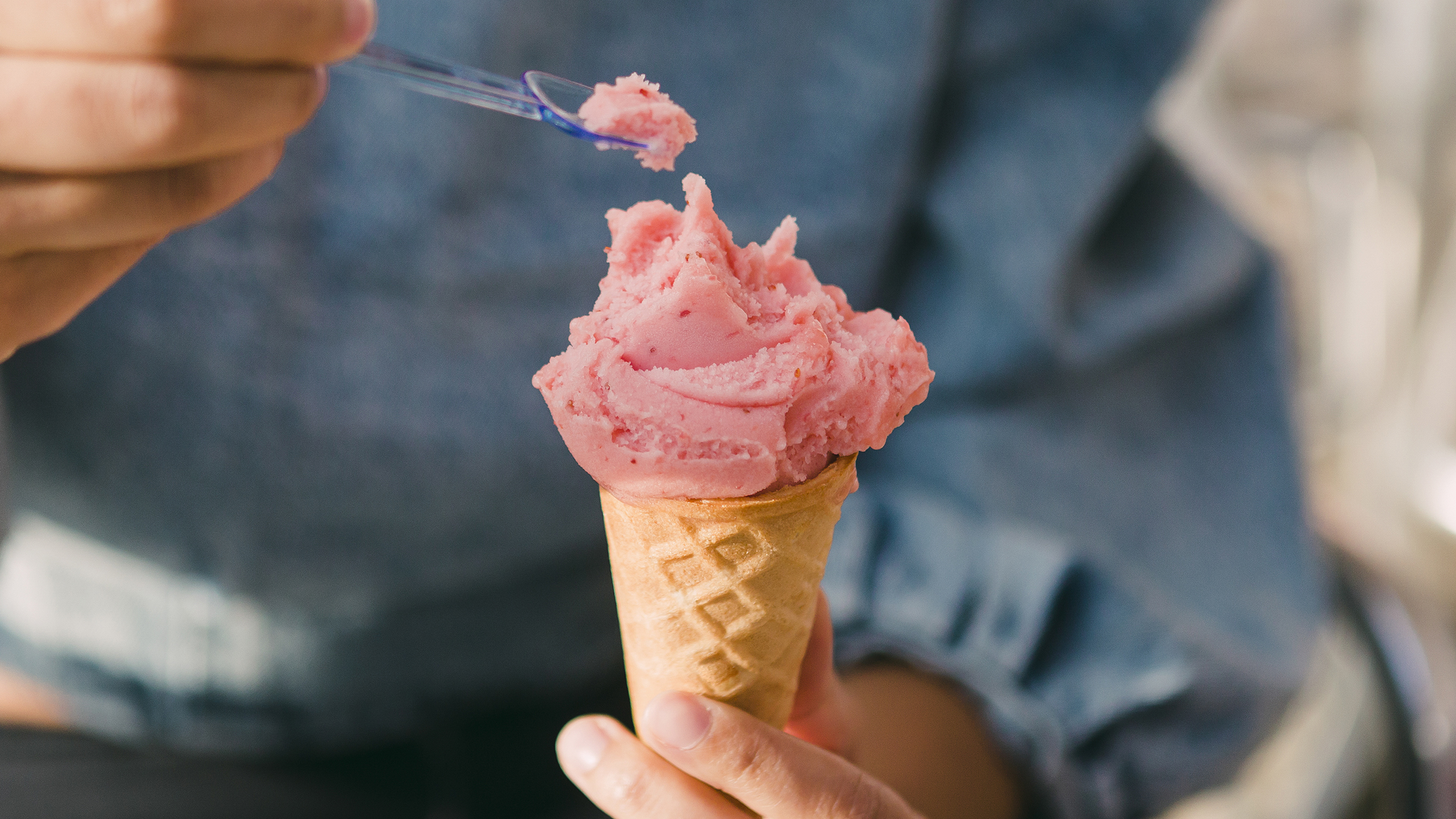
Clinical Nutrition ESPEN сэтгүүлд нийтлэгдсэн судалгаагаар “brazzein” нэртэй уураг нь чихрийн оронд хэрэглэх боломжтой хувилбар болохыг тогтоожээ.
ОХУ-ын Холбооны хоол тэжээл, биотехнологи, хүнсний аюулгүй байдлын судалгааны төвийн эрдэмтэд бодисын солилцооны өөрчлөлттэй холбоотой элэгний өөхжилт (MASLD) оноштой 101 хүнийг судалгаанд хамруулжээ. Туршилтаар оролцогчдод сахар, brazzein, эсвэл brazzein болон инулин эслэг агуулсан зайрмагийг өөр өөр өдрүүдэд идүүлж, цусан дахь сахарын өөрчлөлтийг хэмжсэн байна. Үр дүнд нь brazzein агуулсан зайрмаг идсэний дараа цусан дахь сахарын хэмжээ нь сахартай зайрмаг идсэн үеийнхээс бараг хоёр дахин бага нэмэгдсэн байна. Энэхүү нөлөө нь чихрийн шижингийн 2-р хэлбэрээр өвчилсөн хүмүүст илүү тод ажиглагджээ.
Brazzein нь Баруун Африкийн жимснээс гаралтай бөгөөд одоогоор инженерчлэгдсэн мөөгөнцрийн тусламжтайгаар үйлдвэрлэж байна. Энэхүү уураг нь жингийн хувьд сахар болон чихэрлэг чанараараа 2,000 дахин илүү хүчтэй бөгөөд хүний биед амархан боловсордог байна. Мөн 80°C хүртэлх температурт тэсвэртэй тул төрөл бүрийн хүнсний бүтээгдэхүүнд ашиглах боломжтой гэж үзжээ.
Судлаачид энэхүү бүтээгдэхүүн нь сахар орлуулах ирээдүйтэй хувилбар болохыг онцолсон ч судалгаанд оролцогчдын бүлэг хязгаарлагдмал байсныг тэмдэглэв. Түүнчлэн энэхүү өөрчлөлт нь элэгний өөхжилт болон бусад бодисын солилцооны үзүүлэлтэд урт хугацаанд хэрхэн нөлөөлөхийг тогтоохын тулд нэмэлт судалгаа хийх шаардлагатай байна. Судалгааны баг цаашид илүү олон төрлийн хүнсний бүтээгдэхүүн дээр урт хугацааны туршилт явуулах нь зүйтэй гэж дүгнэжээ.
Дэлгэрэнгүйг эх сурвалжаас харах
↓Эх сурвалжийг нээх ↓
Scientists are continuing to look for ways to replace sugar in our diets. As great as it makes food taste, we know it’s not great for our health, and questions have been raised over the impacts of artificial sweeteners too.
According to a new study published in Clinical Nutrition ESPEN, a protein called brazzein could be the answer.
Originally found in a West African fruit and now mostly made by engineered fungi, it’s processed naturally and easily by the body and is up to 2,000 times sweeter than sugar, weight for weight.
Researchers from the Federal Research Center of Nutrition, Biotechnology and Food Safety in Russia ran tests with 101 adults diagnosed with metabolic dysfunction-associated steatotic liver disease (MASLD), a condition often accompanied by obesity and diabetes, where fat builds up in the liver.
The study, a randomized controlled double-blind crossover trial, focused on ice cream, one of the most tempting types of sugary foods.
Each participant consumed a standard 100-gram (3.5-ounce) serving of vanilla ice cream on three separate days: one using sugar, one sweetened with brazzein, and one with brazzein and the dietary fiber inulin.
What stood out from the data was that post-meal rises in blood sugar were significantly cut by both brazzein and brazzein with inulin. The spikes were about half as large as with sugar-sweetened ice cream in both cases.
The sugar-free recipes also differed in other ingredients, so the researchers caution that they can’t attribute the effect to brazzein alone.
“From a clinical nutrition perspective, the present findings indicate that the tested sucrose-free brazzein-containing formulations may warrant further investigation as potential sugar-substitution options for patients with MASLD, including those with type 2 diabetes,” writes the team in their published paper.
The reductions in blood sugar spikes were actually more noticeable in the participants with type 2 diabetes, although still substantial in those without, while no serious side effects were reported.
It backs up previous research in mice suggesting that brazzein could work as a sugar substitute that keeps the sweetness without the downsides, and lays the foundation for studies that follow participants (and their blood sugar) across a longer time frame.
“The magnitude and timing of the observed effects support future studies of brazzein-sweetened foods,” write the researchers, calling for longer studies that swap sugar for brazzein across a range of commonly eaten foods.
As a protein, brazzein is tough, withstanding temperatures up to 80 °C (176 °F) and a wide range of acidity levels, which means it could potentially be added to multiple foods – including frozen desserts.
However, as the researchers point out, sugar doesn’t just add sweetness – in ice cream, it provides bulk and viscosity, for example. The study shows that other ‘filler’ ingredients alongside brazzein can work to make something very similar to the real thing.
An approach like this is also likely to have more impact than asking people to cut out sugar from their diets, as it means sweet treats aren’t off the menu.
“Sugar-sweetened foods and beverages, including popular items such as ice cream, desserts, and confectioneries, are deeply embedded in dietary patterns worldwide and continue to grow,” write the researchers.
“Extensive restriction of these products in the diet is often unrealistic and may lead to poor adherence to dietary recommendations.”
There’s still a lot of research to be carried out, but we could eventually see brazzein used in place of sugar in foods suitable for those with diabetes or a condition like MASLD, or who are trying to cut down on sugar in general.

What we don’t have here is any indication of how brazzein-sweetened foods might affect liver fat, diabetes, blood pressure, or other related conditions over months or years. What’s more, the participants in this study represented a narrow slice of the population – all with MASLD, and many diagnosed as obese.
We know that multiple factors can affect blood sugar, from who you’re eating with to how you’re eating. These factors can all be scrutinized in future research.
“Longer-term studies are needed to determine whether repeated substitution of sucrose-containing desserts with brazzein-sweetened alternatives translates into sustained metabolic, hepatic, microbiome, or behavioral benefits,” write the researchers.
The research has been published in Clinical Nutrition ESPEN.
This article was fact-checked by Rachel Garner and edited by Rebecca Dyer. While we pride ourselves on our process, we are only human. If you spot a mistake, please let us know.

