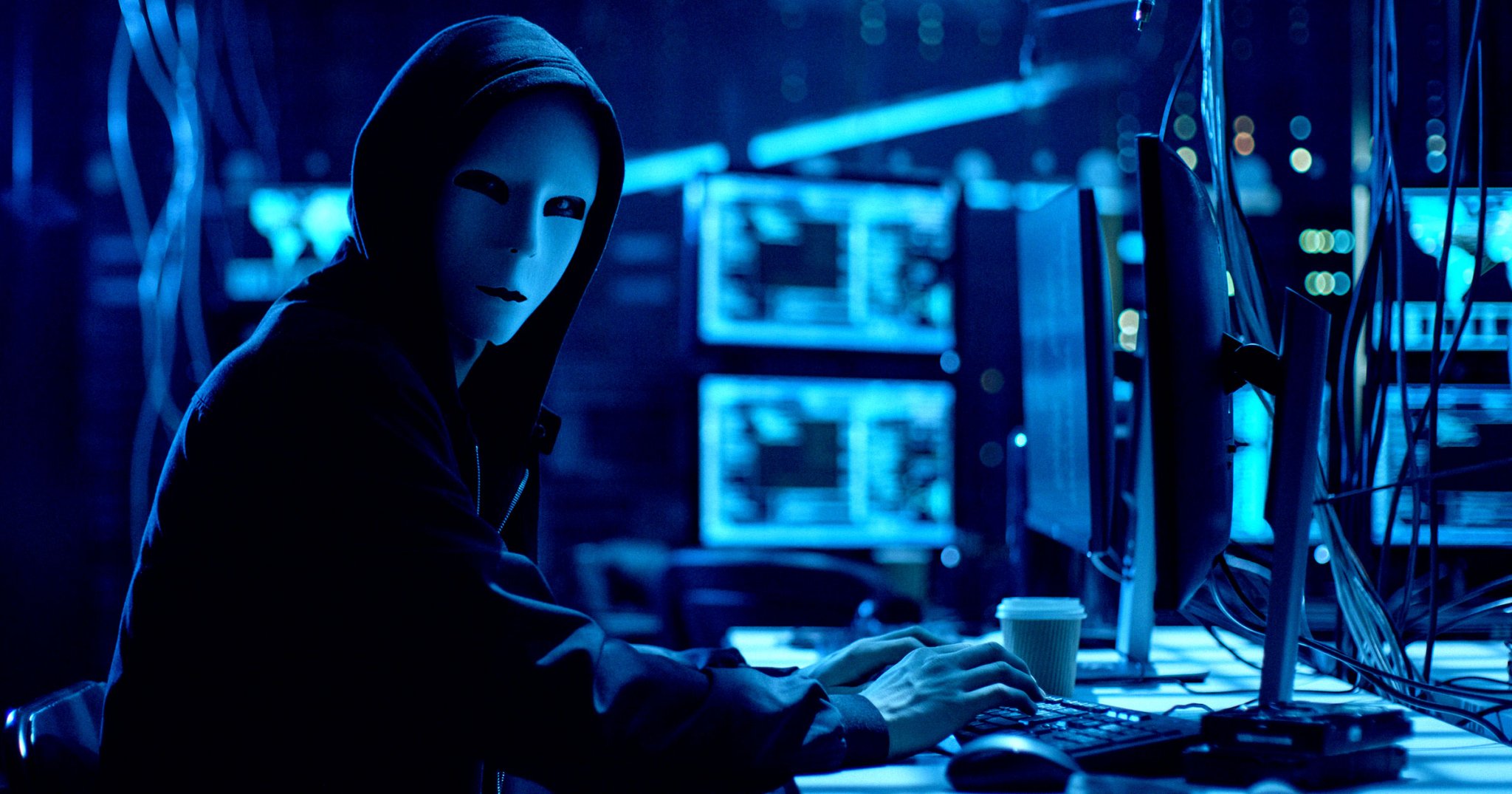
Технологийн дэвшил крипто хөрөнгийн аюулгүй байдалд эрсдэл учруулж болзошгүй тул салбарын мэргэжилтнүүд болгоомжтой байхыг уриаллаа.
Хиймэл оюун ухаан (AI) нь олон арван жилийн турш шийдэгдээгүй байсан математикийн нарийн төвөгтэй бодлогуудыг бодох чадвартай болж байгаа нь крипто салбарынхныг түгшээж байна. OpenAI компанийн сүүлийн үеийн мэдэгдлүүдтэй холбогдуулан Ethereum-ийн судлаач Жастин Дрэйк блокчэйн салбарыг “бункер горим”-д шилжиж, хөрөнгөө илүү найдвартай, нууцлагдмал хаягууд руу шилжүүлэхэд бэлтгэхийг зөвлөжээ.
Vitalik Buterin-ийн үзэж буйгаар, AI нь ирээдүйд квант компьютероос ч илүү томоохон аюул заналхийлэл болж болзошгүй юм. Тэрээр хөрөнгөө яаран шилжүүлэхээс илүүтэйгээр, AI болон квант технологид эмзэг байж болох нууцлалын аргуудаас зайлсхийж, эрсдэлийг бууруулах нь чухал гэдгийг онцолсон байна. Гэсэн хэдий ч хэт яаруу шилжилт хийх нь хөрөнгө алдах эрсдэлийг нэмэгдүүлж болохыг тэрээр анхааруулжээ.
Нөгөөтэйгүүр, зарим судлаачид OpenAI-ийн дэвшүүлж буй математикийн шинэ нээлтүүдэд эргэлзэж байна. Миланы их сургуулийн дэд профессор Валерио Капраро болон Хүмүүнлэгийн математикийн нийгэмлэгээс тус компани хангалттай нотолгоо ирүүлээгүй гэж үзэж байгаагаа илэрхийлжээ. Одоогоор крипто хэтэвчүүдэд учирч буй бодит аюул нь математикийн тооцооллоос бус, харин хуучирсан програм хангамжийн цоорхойг AI ашиглан илрүүлж, халдлага үйлдэх хэлбэрээр илэрч байна.
Дэлгэрэнгүйг эх сурвалжаас харах
↓Эх сурвалжийг нээх ↓
As tech companies continue to claim their AI models are capable of cracking some of the toughest problems that have stumped mathematicians for decades, the crypto community is starting to become uneasy.
As Business Insider reports, certain luminaries of the scene are concerned that AI could unlock blockchain wallets, whose public keys are currently protected by nearly ironclad mathematical computation.
“Yesterday’s OpenAI drop made it clear that mathematical superintelligence is upon us,” Ethereum researcher Justin Drake tweeted this week. “They say there are weeks where decades happen. We are about to live through weeks where centuries of mathematical progress happen.”
As a result, Drake called “upon the blockchain industry to calmly begin planning for ‘bunker mode,’” recommending crypto holders to move their assets to “fresh addresses, i.e. addresses whose pubkeys remain hidden behind a hash,” or a cryptographic mathematical function that acts like a digital fingerprint.
While the precise threat of an AI model capable of cracking causing crypto armageddon remains unclear, the community has already been wary of a separate threat in the form of quantum computers, which experts warn could eventually break current encryption algorithms by drawing on a qubit-based architecture.
While Ethereum creator Vitalik Buterin took a less alarmist tone when discussing these threats, he still argued that AI could eventually overtake quantum computers as the biggest threat to the crypto community.
“I don’t recommend anyone scramble to move their funds to new wallets today,” he wrote in his own lengthy commentary on X. “But we should take the risks to cryptography from AI-accelerated math seriously, and minimize our exposure to not just quantum-vulnerable cryptography, but also potentially AI-vulnerable cryptography.”
Even hashes may not hold and could “theoretically” be “broken too,” Buterin argued.
If AI were to ever achieve such capabilities, the stakes could be considerable. As CoinDesk reports, millions of Bitcoin sit in address with public keys that are visible to all on the blockchain.
Yet how much of a problem AI will actually pose remains debatable. Despite plenty of breathless media coverage about AI companies’ claims of a mathematical revolution thanks to AI, many experts have since cried foul, arguing that they have yet to actually provide sufficient and legible evidence.
“OpenAI is flooding us with claimed revolutionary breakthroughs,” University of Milan associate professor Valerio Capraro tweeted. “Yet nobody knows whether the proofs are correct or whether they prove what they claim to be proving.”
In a statement this week, the Association for Human Mathematics also undermined OpenAI’s recent claims.
“We reject OpenAI’s assertion that this release advances our subject, and we urge mathematicians and the public to view the value of this publication model with due skepticism,” they wrote.
In other words, the crypto community may be panicking over a distant or nonexistent threat.
At the same time, there have already been instances of AI-assisted attacks on crypto wallets, according to CoinDesk. However, instead of brute forcing their way in through mathematical computation, AI allowed the attackers to identify and exploit years-old firmware bugs that left certain wallets vulnerable.
If there’s one thing Buterin and Drake can agreed on, it’s that the community shouldn’t act recklessly. Buterin warned that crypto holders should “be careful” about migrating wallets from address to address for additional layers of security.
“I personally have lost more money in botched migrations than I have lost in all hacks combined,” he admitted.
More on AI and math: Mathematicians React With Fury as OpenAI Releases Hundreds of New AI-Generated Proofs
The post Crypto Gurus Concerned AI Is Poised to Crack Blockchain Math, Allowing Hackers to Steal Funds With Impunity appeared first on Futurism.

